Toray’s 150°C Capacitor Film Could Transform High-Temperature Inverter Design
Toray’s successful demonstration of a prototype film capacitor operating inside an inverter at 150°C marks an important development for high-temperature power electronics. The Japanese materials manufacturer has shown that its heat-resistant dielectric film can support stable inverter operation under demanding thermal conditions, potentially helping equipment designers overcome a longstanding component-level constraint.
The development matters to manufacturers of electric vehicles, electric aircraft and emerging mobility platforms, where higher power output creates greater demands on thermal management. Toray’s thermal simulations also suggest that the heat-dissipation structure in a power control unit could become approximately 50% smaller, creating opportunities to reduce equipment size and weight.
For chemical traders, polymer suppliers and procurement professionals, the announcement highlights the growing value of specialized dielectric materials. As electrical systems become more compact and powerful, demand for polymers that maintain their performance at elevated temperatures could create new opportunities in advanced materials supply chains.
1. How Toray’s 150°C Capacitor Film Addresses a Technical Challenge
Film capacitors use a thin insulating material, known as a dielectric, between conductive electrodes to store electrical energy and support stable power delivery. Their performance depends on electrical properties, thermal stability and the ability to withstand demanding operating conditions over time.
In an inverter, capacitors help stabilize the electrical power that the system converts and controls. However, heat generated by power electronics can limit where engineers position these components and how closely they can integrate them with other equipment.
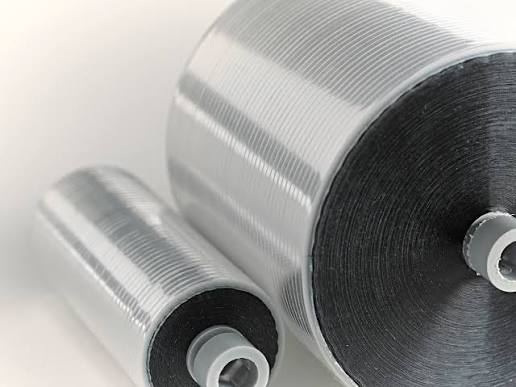
Toray has developed a proprietary heat-resistant film intended for film capacitors that operate at temperatures of up to 150°C. The company incorporated this material into a prototype capacitor and tested it within a model inverter.
Joint research with Professor Masayoshi Yamamoto of Nagoya University’s Institute of Materials and Systems for Sustainability demonstrated stable operation under high-temperature conditions. This represents an important step beyond evaluating a material in isolation because the capacitor also had to function within an electrical system.
The research addresses a practical design challenge: improving a capacitor’s temperature tolerance could give engineers more flexibility when arranging components inside power control equipment.
2. Why High-Temperature Dielectric Materials Matter
Temperature resistance influences the reliability and design of electrical components. When a capacitor cannot tolerate the heat surrounding it, engineers may need to introduce additional cooling, increase the distance between components or redesign the equipment enclosure.
These measures can add weight, occupy valuable space and complicate manufacturing. They become particularly important in applications where compact packaging and efficient thermal management directly influence overall system design.
Toray’s technology targets several material performance requirements:
Thermal stability: The dielectric film must withstand elevated operating temperatures while maintaining suitable electrical characteristics.
Electrical insulation: The material must separate conductive elements effectively under the intended operating voltage.
System integration: The capacitor must operate reliably alongside other components that generate heat during power conversion.
Long-term reliability: Manufacturers need evidence that the material and finished component can withstand repeated operating cycles and prolonged exposure to heat.
These requirements create a specialized market for high-performance polymer films. Suppliers must deliver consistent material properties, while component manufacturers must establish that the finished capacitor meets the electrical and thermal demands of its intended application.
Toray’s demonstration provides evidence of high-temperature operation in a prototype inverter. Continued development will determine how the technology performs across the broader range of conditions that commercial applications require.
3. The Potential to Reduce Heat-Dissipation Structure Size
One of the most commercially significant aspects of Toray’s announcement is the potential to reduce the size of a heat-dissipation structure by approximately 50%.
The company reached this estimate through thermal simulations examining a power control unit for electric mobility. The finding suggests that a capacitor designed for higher operating temperatures could give engineers greater freedom to rethink the surrounding cooling arrangement.
The potential benefits include:
Smaller equipment packages: Engineers could explore more compact layouts for power control units and related electrical assemblies.
Lower system weight: A smaller heat-dissipation structure could reduce the mass associated with cooling equipment, depending on the final design.
Greater packaging flexibility: Higher temperature tolerance could help designers position capacitors closer to other power electronics.
New mobility applications: Compact thermal-management systems could support the demanding space and weight requirements of electric aircraft and flying vehicles.
The 50% figure refers to the potential size reduction of the heat-dissipation structure identified through simulation. It does not mean that the capacitor itself or the complete inverter has already become 50% smaller.
That distinction matters for equipment manufacturers evaluating the technology. The simulation identifies a possible engineering advantage, while further development must establish the practical benefits in specific commercial designs.
4. Electric Vehicles and Aircraft Could Benefit From the Technology
Electric mobility represents a key potential application for high-temperature capacitor films. As manufacturers develop more powerful electric drive systems, they must manage heat without adding excessive cooling equipment or compromising available installation space.
In electric vehicles, inverter design influences the packaging of power electronics and the wider electric drive system. A capacitor that tolerates higher temperatures could offer engineers another option when optimizing the position of components and the design of cooling arrangements.
Electric aircraft and flying vehicles face similar challenges, with additional pressure to control system weight. Cooling equipment competes with other components for space and contributes to the overall mass of the propulsion system.
Toray’s research therefore has potential relevance to several areas:
Electric cars: Higher-temperature capacitors could support the development of compact power control units.
Electric aircraft: Smaller thermal-management structures could offer packaging and weight advantages where engineering requirements permit.
Flying vehicles: Compact electrical systems could help address the limited space available for propulsion and power-control equipment.
Next-generation mobility platforms: New vehicle architectures could create demand for dielectric materials that support more demanding thermal conditions.
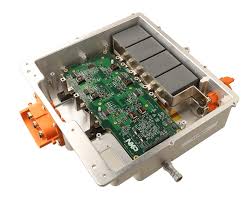
The extent of these benefits will depend on the thermal characteristics of each system, the electrical requirements of its components and the results of further engineering evaluations. The prototype demonstration establishes a promising technical direction rather than a universal solution for every electric mobility platform.
5. What the Development Means for Polymer and Specialty Chemical Suppliers
Toray’s work illustrates how polymer chemistry can support improvements in complex electrical equipment. Although the immediate application involves a film capacitor, the material innovation also highlights the importance of specialized polymer processing and dielectric performance.
For chemical traders and procurement managers, this creates an opportunity to monitor demand for materials used in advanced electrical components. However, buyers should distinguish between established commercial polymers and a proprietary film under development.
Potentially relevant material categories include:
Engineering polymers: These materials support electrical, thermal and mechanical requirements in demanding industrial applications.
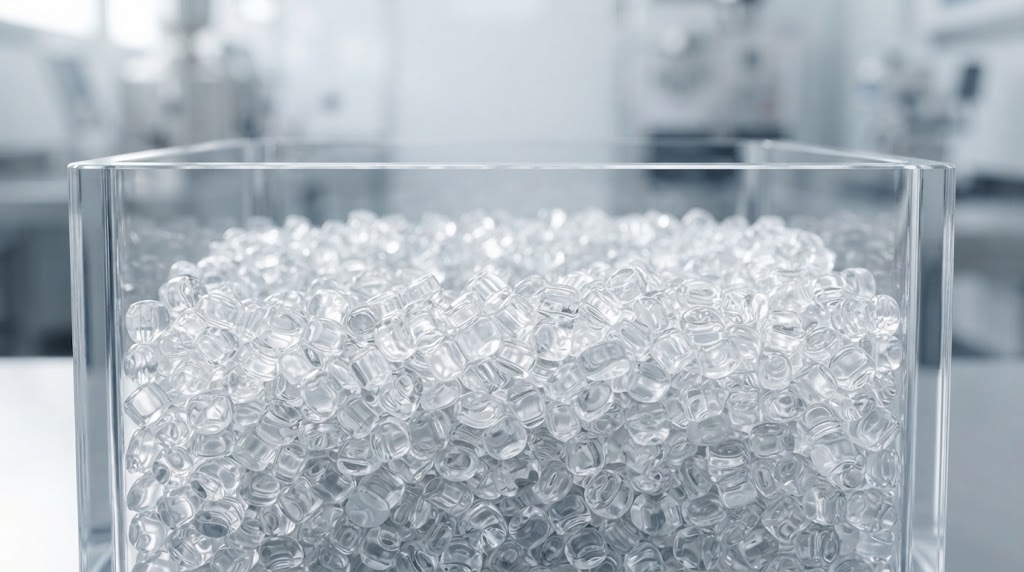
Dielectric films: Manufacturers use these thin insulating materials in capacitors and other electrical components where consistent insulation performance is essential.
Polyethylene terephthalate (PET): PET film serves established capacitor and electrical insulation applications, although conventional PET should not be assumed to provide the same high-temperature performance as Toray’s proprietary film.
Specialty polymer formulations: Manufacturers may develop tailored materials to achieve particular combinations of heat resistance, insulation and processing performance.
The commercial opportunity lies in understanding which materials manufacturers specify for each application. Not every polymer film can meet the same electrical and thermal requirements, even when products appear similar in basic material descriptions.
Suppliers that can provide consistent specifications, traceable batches and reliable technical documentation are better positioned to serve demanding industrial customers. Procurement teams should also confirm whether a material has completed the qualification process required by the component manufacturer.
6. Development, Collaboration and Commercialization Prospects
Toray is continuing its work with Nagoya University to develop and evaluate the heat-resistant film for potential commercialization in 150°C film capacitors. This next phase will help determine how the material can move from prototype testing towards practical industrial applications.
The research receives support from Japan’s New Energy and Industrial Technology Development Organization (NEDO) through a project focused on heat-resistant films for film capacitors used in next-generation mobility.
Toray also plans to present the technology at the CEATEC 2026 exhibition in Japan, scheduled for October 13 to 16. The exhibition provides an opportunity to highlight the development as part of wider efforts to advance materials and technologies for future mobility systems.
Several technical and commercial milestones will influence the path forward:
Reliability evaluation: Manufacturers need evidence of stable performance over the operating life expected for the finished capacitor.
Manufacturing consistency: Commercial production must maintain uniform film properties across batches and production volumes.
Electrical qualification: The capacitor must satisfy the voltage, current and other operating requirements of its intended application.
Application-specific testing: Vehicle and aircraft manufacturers need to assess performance within their own power-control architectures.
Commercial readiness: Production capacity, cost competitiveness and supply reliability will influence adoption by component manufacturers.
For suppliers, these milestones offer a useful framework for assessing when a developing material might create tangible procurement opportunities. A successful prototype can generate interest, but volume demand depends on qualification, production capability and customer adoption.
7. Procurement Priorities for High-Temperature Capacitor Materials
Buyers evaluating materials for power electronics should focus on application requirements rather than temperature ratings alone. A film’s ability to withstand elevated temperatures does not automatically establish that it will perform effectively in every capacitor design.
Procurement teams can prepare for developments in this market by strengthening their technical and commercial evaluation processes.
Start with application specifications. Confirm operating temperature, voltage requirements, dielectric performance and expected service life with the component manufacturer before comparing suppliers.
Request technical documentation. Review product specifications, testing information, quality certifications and batch traceability. Where a material remains under development, establish which performance data are available and which evaluations remain outstanding.
Assess supplier continuity. Specialized dielectric films may require close coordination between material producers and capacitor manufacturers. Buyers should understand production capacity, lead times and the supplier’s ability to maintain consistent quality.
Separate established materials from emerging technologies. Commercially available polymers may meet some electrical insulation needs, while next-generation applications may require proprietary formulations. Procurement decisions should reflect the actual qualification status of the material.
Track the cost of the complete system. A more expensive dielectric film could still offer value if it enables a smaller cooling structure or a simpler equipment layout. Manufacturers must evaluate these potential savings against material costs and system-level performance.
These steps can help buyers avoid treating a new material announcement as an immediately available sourcing opportunity. They also allow procurement teams to engage earlier with suppliers as component manufacturers evaluate emerging technologies.
8. The Outlook for Specialty Dielectric Films in 2027 and Beyond
Toray’s 150°C capacitor film demonstrates how materials development can influence the architecture of electrical equipment. By addressing the temperature limitations of a component used in power conversion, the technology could give engineers additional flexibility when designing compact systems for electric mobility.
The potential to reduce heat-dissipation structure size by approximately half is particularly relevant to applications where weight and packaging constraints are severe. However, commercial adoption will depend on further development, reliability testing and successful integration into production-ready equipment.
For the specialty chemicals sector, the wider lesson is that advanced polymer materials can create value beyond their immediate physical properties. A dielectric film that supports a different thermal design could influence component placement, cooling requirements and the overall configuration of a power control unit.
Chemical traders, importers and procurement managers should monitor developments in heat-resistant polymers, dielectric films and specialized electrical materials as manufacturers continue to improve electrified transport systems. Early awareness of technical requirements and supplier capabilities can help buyers prepare for emerging demand without confusing prototype achievements with established commercial supply.
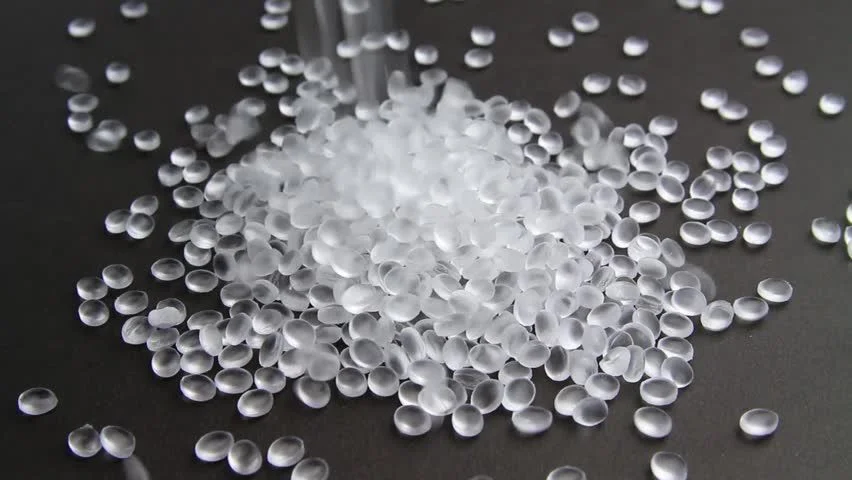
Polyethylene Terephthalate (PET)
Found this useful?