TotalEnergies Takes Full Ownership of Grandpuits Plant: What It Signals for Chemical Recycling Economics
TotalEnergies has taken full ownership of the Grandpuits advanced plastics recycling plant in France after acquiring Plastic Energy's remaining 35% stake. The facility began production in March 2026 with capacity to process 15,000 metric tons of plastic waste annually, making the ownership change notable because it comes soon after commercial operations began.
For chemical traders, polymer buyers and procurement teams, the transaction provides more than a corporate ownership update. It offers a market signal about how major petrochemical companies are approaching chemical recycling economics, feedstock security and the integration of recycled raw materials into established plastics supply chains.
TotalEnergies Consolidates Control of Grandpuits
TotalEnergies previously held 65% of the Grandpuits facility, while Plastic Energy held the remaining 35%. The acquisition gives TotalEnergies complete control of the plant and removes the joint ownership structure that existed during the project's development and initial operating phase.
The timing matters. Grandpuits only began production in March 2026, so the decision to consolidate ownership relatively early gives the transaction a different character from a mature-asset acquisition.
For the market, full ownership can allow TotalEnergies to coordinate operations, feedstock procurement, technology deployment and downstream polymer integration under one corporate structure. That can become particularly important when a recycling project depends on consistent waste supply and reliable conversion into petrochemical feedstocks.
Why the 15,000-Ton Plant Matters to Chemical Recycling Economics
A capacity of 15,000 metric tons per year is modest compared with conventional petrochemical facilities, but advanced recycling economics depend on more than headline capacity. Operators must secure suitable waste, manage contamination, maintain conversion efficiency and create dependable outlets for the resulting recycled feedstock.
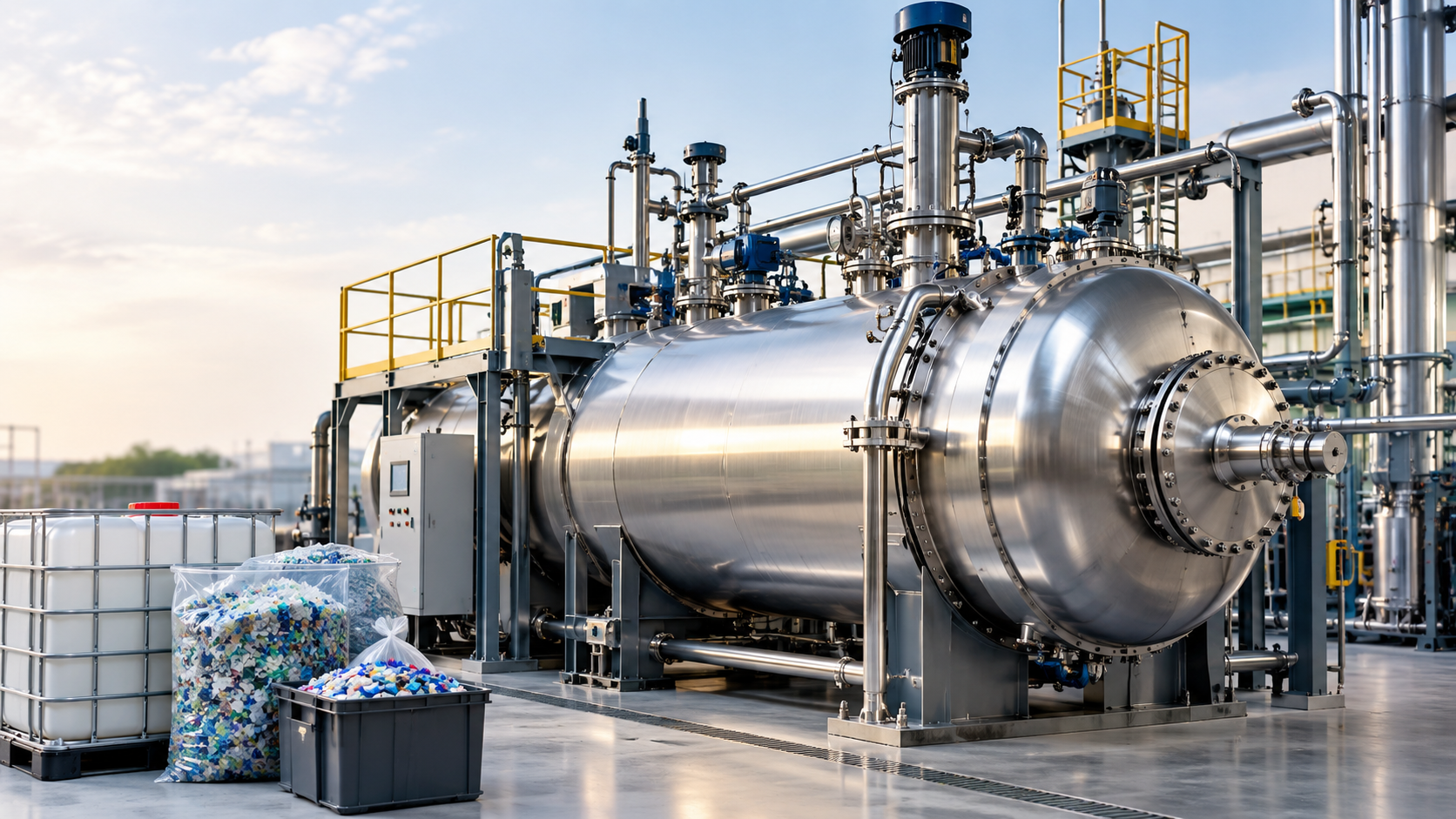
Grandpuits uses pyrolysis, heating plastic waste in an oxygen-free environment to produce a synthetic oil that can enter the petrochemical production chain. This creates a route for difficult waste streams that conventional mechanical recycling cannot easily process.
The economics therefore involve several connected value pools:
Waste feedstock: The plant needs reliable access to suitable plastic waste at commercially manageable costs.
Conversion performance: Yield, energy consumption and plant reliability directly influence the cost of producing recycled feedstock.
Downstream integration: The ability to introduce recycled feedstock into existing petrochemical infrastructure can reduce the need to build an entirely separate production chain.
Recycled polymer demand: Buyers need a commercial reason to purchase circular materials, particularly where specifications and performance requirements remain demanding.
Full ownership gives TotalEnergies greater control over these variables and may make it easier to coordinate the entire chain.
Feedstock Security Is Becoming a Core Procurement Issue
One of the most important elements surrounding Grandpuits is its feedstock strategy. TotalEnergies signed an agreement in 2023 with French recycling and waste-management companies Citeo and Paprec to secure long-term supplies of plastic waste for the facility.
That arrangement highlights a central issue for chemical recycling. A pyrolysis plant cannot operate efficiently simply because a reactor is available. It needs a predictable stream of suitable waste with characteristics that support stable processing.
For procurement teams, this creates a broader sourcing question. The competitive position of chemical recycling will depend not only on the cost of the conversion technology but also on who controls access to the waste streams required to keep facilities running.
This could increase the strategic importance of:
Long-term waste collection agreements
Regional recycling networks
Feedstock sorting and preprocessing
Logistics infrastructure
Traceability of recycled material
Feedstock contracts could therefore become as important to advanced recycling projects as raw material contracts are to traditional chemical plants.
Chemical Recycling Targets Are Creating a Larger Demand Signal
The Grandpuits acquisition also fits into a much broader circular plastics strategy. TotalEnergies has set an ambition to produce 1 million metric tons of circular polymers per year by 2030, using a combination of recycled and renewable feedstocks.
That target places a relatively small 15,000-ton facility within a much larger planned supply chain. Grandpuits alone cannot deliver the stated ambition, but it can provide an operating platform for developing commercial experience with advanced recycling.
For chemical buyers, this distinction matters. The future market is unlikely to depend on a single technology or one facility. TotalEnergies has described a broader approach that includes mechanical recycling, advanced recycling and renewable feedstocks.
The result could be a more diversified circular feedstock market in which recycled materials enter conventional polymer production alongside virgin raw materials.
Where Chemical Recycling Can Change Polymer Supply Chains
Mechanical recycling remains highly useful when plastic waste can be efficiently sorted, cleaned and reprocessed. Chemical recycling addresses a different part of the waste stream, particularly material that is mixed, contaminated or technically difficult to process mechanically.
Pyrolysis converts suitable plastic waste into an intermediate feedstock rather than simply remelting the original polymer. That creates the possibility of returning carbon from difficult waste streams to the chemical manufacturing system.
For polymer procurement, the potential impact extends across several areas:
Virgin feedstock substitution: Recycled feedstocks can replace a portion of fossil-based raw materials in polymer production.
Circular product portfolios: Manufacturers can offer polymers incorporating recycled carbon while retaining properties required for demanding applications.
Supply diversification: Producers can combine conventional fossil feedstocks with recycled and renewable sources.
Waste-to-material integration: Waste management becomes more closely connected with chemical production rather than remaining a separate downstream activity.
TotalEnergies says recycled plastics produced through its approach can retain properties comparable to materials made from virgin feedstocks, including applications with demanding requirements such as food contact and medical products.
What the Ownership Change Means for Market Economics
The acquisition should not be viewed simply as a bet on one recycling plant. It also demonstrates how an integrated energy and petrochemical company can connect waste collection, recycling technology and polymer production.
This integration can influence economics in several ways. A company with established petrochemical assets may have more options for handling recycled intermediates than a standalone recycling operator, particularly when the recycled feedstock can enter existing chemical production systems.
There are also commercial benefits to having direct control over operating data. Early-stage recycling facilities generate information about feedstock quality, plant reliability, maintenance requirements, conversion yields and product specifications.
That knowledge can influence decisions on future projects and larger-scale facilities.
For chemical traders, the development means the market should be monitored through more than recycled polymer prices. Important indicators include:
Availability and pricing of suitable plastic waste
Capacity additions in advanced recycling
Long-term feedstock agreements
Demand for certified circular polymers
Integration between recycling plants and petrochemical facilities
Investment in sorting and preprocessing infrastructure
These factors can affect the availability and pricing of circular polymer products over time.
Procurement Priorities for Circular Plastics Buyers
Procurement teams considering recycled or circular polymers should evaluate the supply chain behind the material rather than focusing only on the recycled content percentage.
Feedstock origin can influence traceability and certification requirements. Buyers should understand whether recycled inputs originate from post-consumer waste, industrial waste or other approved streams.
Processing technology also matters because mechanical recycling and chemical recycling create different supply chains and material characteristics.
Product specifications remain critical. Buyers in packaging, automotive, healthcare and other demanding sectors need materials that meet the technical requirements of their applications.
Supply continuity should receive equal attention. A recycled material may meet a technical specification but still create procurement risk if production depends on a limited number of plants or unstable feedstock sources.
The Grandpuits development reinforces the importance of evaluating recycled polymers as industrial raw materials rather than treating them only as sustainability products.
Looking Ahead to 2027 and the Broader Recycling Market
The Grandpuits transaction places attention on what happens after a chemical recycling facility reaches commercial production. The next stage will involve operating performance, feedstock availability, product demand and the ability to translate individual projects into larger commercial networks.
TotalEnergies' stated 2030 ambition of 1 million metric tons of circular polymers per year provides a clear indication of the scale it is targeting across recycled and renewable feedstocks.
For the wider market, the important question is how quickly similar projects can move from demonstration and early commercial operation toward repeatable industrial economics. Larger capacity alone will not determine success. Reliable feedstock contracts, efficient logistics, consistent product quality and strong downstream demand will all shape the economics.
The Grandpuits ownership change therefore gives buyers another reason to monitor advanced recycling as part of the broader polymer supply landscape. As chemical companies become more involved in recycling infrastructure, the boundary between waste management and petrochemical procurement is becoming increasingly connected.
What Buyers Should Watch Now
The most immediate lesson from Grandpuits is that ownership, feedstock and downstream integration can be closely linked in chemical recycling economics. TotalEnergies now controls the full facility after acquiring Plastic Energy's remaining 35% stake, while the plant continues to operate within a broader circular polymer strategy.
For traders and procurement managers, the development highlights several practical areas to monitor:
New advanced recycling capacity and its commercial start dates
Long-term contracts for plastic waste feedstock
Availability of recycled polymer grades
Certification and traceability requirements
Integration between recycling plants and conventional petrochemical assets
Investment plans leading toward 2030 circular polymer targets
The market is moving toward a model where plastic waste can become a strategic chemical feedstock. For buyers, understanding how that feedstock is collected, processed and integrated into polymer production will become increasingly important when assessing future supply options.
Ready to source Low Density Polyethylene (LDPE) from verified global suppliers? Explore competitive offers on our platform today.
Source:
Hydrocarbon Engineering, "TotalEnergies becomes sole owner of recycling plant"
Trend News Agency, "TotalEnergies takes full ownership of advanced plastics recycling plant"
Low Density Polyethylene (LDPE)
Found this useful?