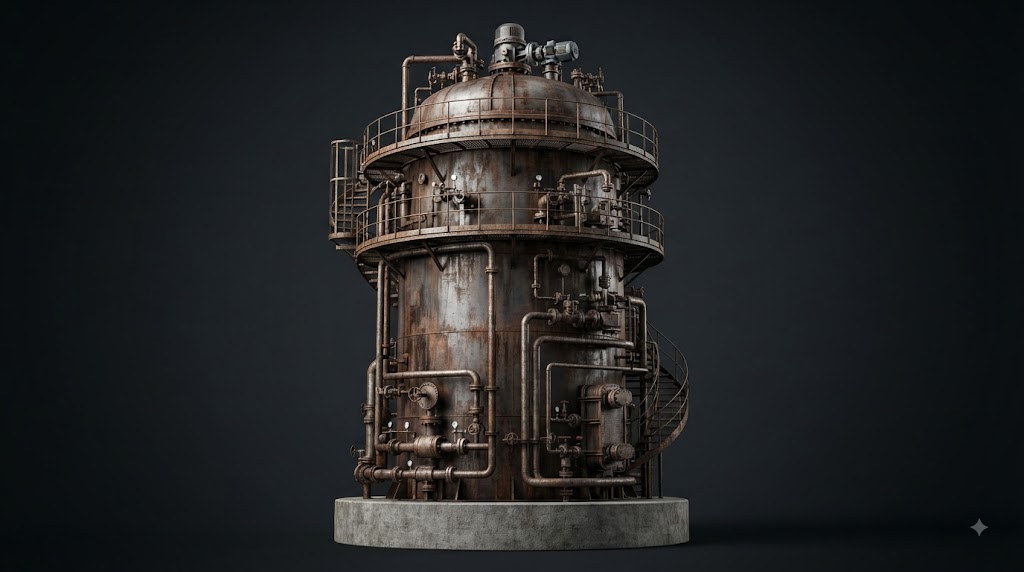
TPC's Troubled History Includes a 2019 Explosion and a 2022 Bankruptcy
TPC has navigated significant operational and financial challenges in recent years including a devastating explosion at its Port Neches Texas complex in 2019, production disruptions during the 2021 winter storm and a Chapter 11 bankruptcy filing in 2022 from which it later emerged. This track record provides essential context for procurement teams evaluating C4 chemicals supply security from this Houston-based specialist.
For buyers sourcing butadiene, butylene isomers or derivative products, historical performance patterns inform risk assessment beyond current financial metrics. Suppliers demonstrating repeated operational stress require enhanced due diligence and contingency planning regardless of present ownership structure or stated capabilities.
Strategic sourcing decisions should incorporate lessons from TPC’s troubled history while acknowledging post-bankruptcy restructuring efforts. Balanced evaluation avoids both complacency about past issues and excessive skepticism about recovery potential under new stewardship.
Understanding the 2019 Port Neches Explosion Impact
The November 2019 explosion at TPC’s Port Neches facility caused extensive physical damage and forced extended shutdown periods that reshaped Gulf Coast C4 supply balances. The incident originated in process equipment handling butadiene-rich streams, highlighting inherent safety risks in olefin processing operations.
Reconstruction timelines extended well beyond initial estimates as engineering assessments revealed broader infrastructure degradation than immediately apparent. Capital expenditure requirements strained balance sheet capacity already weakened by preceding margin compression cycles.
Regulatory scrutiny intensified following the incident with enhanced inspection protocols and compliance requirements imposed across remaining operating units. Oversight burdens increased operating costs and reduced operational flexibility even after physical repairs completed.
Community relations and permitting processes became more complex as local stakeholders demanded stronger safety guarantees before approving restart authorizations. Social license considerations added calendar time to recovery schedules independent of technical readiness.
Buyers should recognize that major process safety incidents create lasting organizational impacts beyond physical asset restoration. Cultural changes, workforce turnover and procedural revisions alter operational characteristics in ways not captured by capacity statistics alone.
How the 2021 Cold Snap Exposed Systemic Vulnerabilities
The February 2021 Texas winter storm demonstrated TPC’s vulnerability to extreme weather events affecting Gulf Coast petrochemical infrastructure broadly. Unlike isolated equipment failures, regional utility disruptions created system-wide constraints that individual facility hardening could not fully mitigate.
Natural gas supply interruptions and electricity grid failures forced unplanned shutdowns across multiple processing units simultaneously. Restart sequencing complexities extended recovery periods well after utility service restoration as interdependent systems required coordinated recommissioning.
Feedstock availability constraints persisted as upstream suppliers faced similar disruptions creating cascading shortages through value chains. Just-in-time operating models proved inadequate when multiple supply chain nodes failed concurrently without warning.
Insurance premiums and force majeure declarations increased following the event as risk assessments incorporated climate volatility more explicitly. Contractual frameworks evolved to address shared infrastructure dependencies previously assumed as reliable baseline conditions.
Procurement teams should evaluate supplier resilience against regional systemic risks rather than facility-specific reliability alone. Geographic concentration creates correlated failure modes that diversification within single regions cannot adequately hedge.
Navigating Post-Bankruptcy Supply Relationships
TPC’s 2022 Chapter 11 filing and subsequent emergence restructured obligations and ownership while preserving core operating assets. Bankruptcy proceedings typically reject unfavorable contracts and renegotiate terms reflecting realistic going-concern economics rather than legacy commitments.
Post-emergence management teams prioritize cash generation and balance sheet stability over aggressive growth or market share defense. Commercial strategies reflect creditor-imposed discipline that may limit pricing flexibility or volume commitment capacity versus pre-bankruptcy counterparts.
Workforce transitions during restructuring create knowledge gaps and cultural shifts affecting operational consistency. Experienced operators and engineers departing during uncertainty periods reduce institutional memory critical for complex chemical processing reliability.
Capital allocation frameworks reset with emphasis on sustaining maintenance and high-return debottlenecking over speculative expansion. Investment discipline improves financial sustainability but may constrain responsiveness to demand recovery opportunities.
Buyers engaging post-bankruptcy suppliers should verify contract continuity and service level expectations explicitly rather than assuming automatic transfer. Relationship rebuilding requires proactive engagement to establish new commercial baselines aligned with restructured entity priorities.
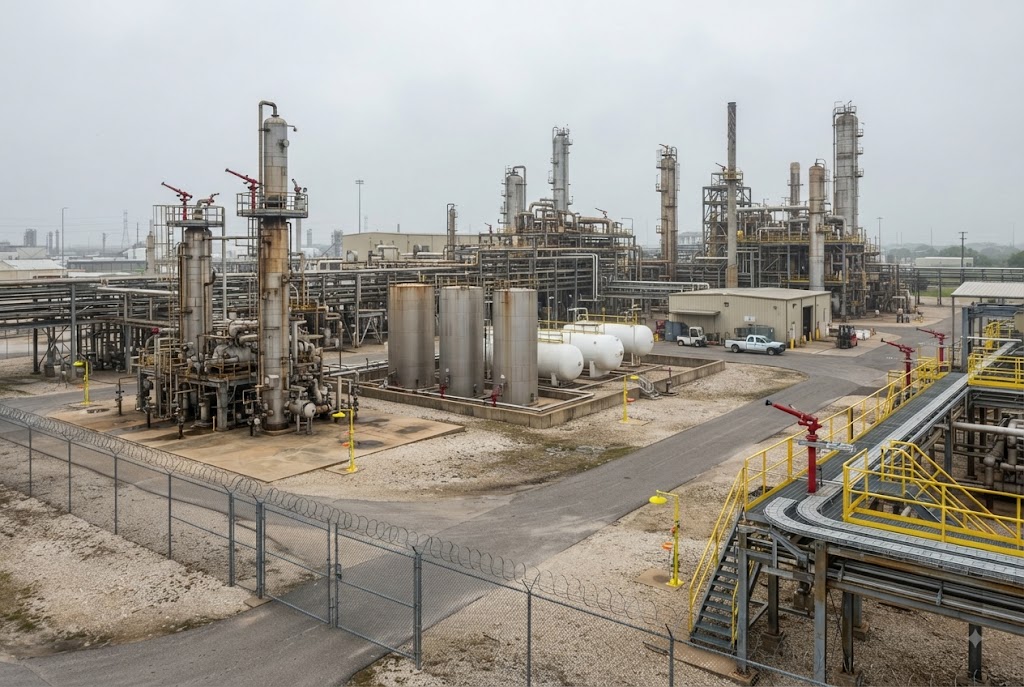
Operational Resilience Assessment Framework
Historical incidents provide data points for structured supplier evaluation rather than binary qualification criteria. Sophisticated buyers develop multidimensional assessment frameworks incorporating past performance alongside current capabilities and future investment plans.
Process safety management systems deserve detailed audit beyond regulatory compliance certificates. Leading indicators including near-miss reporting rates, maintenance backlog trends and training completion metrics reveal cultural health more accurately than lagging incident statistics.
Infrastructure age and modernization status determine vulnerability profiles independent of recent incident history. Facilities with original equipment exceeding design life require higher sustaining capital intensity and face elevated unplanned outage probability regardless of maintenance program quality.
Utility redundancy and emergency preparedness capabilities buffer against regional systemic risks exposed during 2021. On-site power generation, feedstock storage buffers and mutual aid agreements demonstrate proactive resilience investment beyond minimum compliance.
Financial stress testing reveals capacity to absorb future shocks without repeating bankruptcy cycles. Liquidity ratios, debt maturity profiles and covenant headroom indicate runway available for navigating inevitable operational or market disruptions.
Strategic Sourcing Responses to Supplier Risk Profiles
TPC’s history exemplifies why sophisticated buyers maintain diversified supply portfolios rather than concentrating volume with single assets regardless of cost advantages. Resilience requires redundancy even when carrying premium pricing during normal operations.
Conduct enhanced due diligence incorporating historical incident analysis, post-restructuring capability verification and forward-looking investment plan assessment before expanding TPC exposure.
Maintain qualified alternative suppliers for all critical C4 derivatives ensuring rapid volume reallocation capability if operational stress recurs regardless of current stability indicators.
Structure contracts with enhanced termination rights, performance guarantees and allocation protections reflecting elevated risk profile versus benchmark suppliers.
Implement enhanced incoming quality inspection protocols and specification monitoring given workforce transition risks and infrastructure age considerations.
Engage TPC management proactively about safety investments, maintenance programs and capital allocation priorities to validate continuous improvement trajectory beyond bankruptcy emergence.
Risk-informed procurement transforms historical concerns into structured management frameworks rather than avoidance reflexes. Organizations balancing opportunity capture with prudent mitigation build sustainable supply chains resilient to supplier-specific vulnerabilities.
Ownership Transition Context and Future Trajectory
Recent acquisition by Eneos introduces new variable into TPC’s operational trajectory potentially addressing historical weaknesses through strategic integration. Japanese refiner brings capital resources, technical expertise and long-term orientation contrasting with private equity exit pressures preceding bankruptcy.
Integration execution determines whether ownership change translates to tangible operational improvement or merely administrative transition. Buyers should monitor milestone achievement against stated strategic objectives rather than assuming automatic enhancement from new parentage.
Capital investment capacity likely expands under strategic ownership enabling deferred maintenance catch-up and technology upgrades previously constrained. Facility modernization addresses root causes of historical incidents rather than symptomatic repairs characterizing distressed-period spending.
Cultural integration across national and corporate boundaries creates transitional friction requiring active management. Workforce retention, procedural harmonization and communication alignment determine whether combined entity achieves intended synergies or experiences productivity loss.
Market positioning may shift as TPC transitions from independent merchant supplier to integrated subsidiary with altered commercial priorities. Customers should engage early about strategic direction to shape relationship evolution rather than reacting to unilateral announcements.
Positioning for Sustainable Supply Partnerships
TPC’s troubled history provides cautionary lessons applicable beyond single-supplier evaluation. Procurement organizations building systematic risk assessment capabilities create durable competitive advantages through superior supply chain resilience.
Supplier selection criteria should expand beyond price and quality to include operational resilience, financial sustainability and cultural alignment dimensions. Holistic evaluation identifies partners capable of sustained performance through inevitable stress periods rather than fair-weather reliability.
Relationship depth gains importance when sourcing from suppliers with complex histories. Trust built through transparent communication and collaborative problem-solving during stable periods yields dividends during future disruptions when transactional relationships fracture.
Contract structures should reflect calibrated risk sharing rather than adversarial protectionism. Balanced frameworks preserve supplier viability during stress while maintaining buyer protections against repeated performance failures.
Continuous monitoring replaces point-in-time qualification as dynamic risk management practice. Regular reassessment catches emerging vulnerabilities before they manifest as supply disruptions enabling proactive rather than reactive response.
Ready to source C4 chemicals from verified global suppliers? Explore competitive offers on our platform today.
Styrene Monomer
Found this useful?