Transpetro Mobilizes "Codajas Operation" to Secure Northern Brazil's Fuel Supply
Transpetro Mobilizes "Codajás Operation" to Secure Northern Brazil's Fuel Supply
Meta Title: Transpetro Mobilizes Codajás Operation to Secure Brazil Fuel Supply
Transpetro Launches Codajás Operation to Protect Fuel Supply
Brazilian energy logistics company Transpetro, a subsidiary of Petrobras, has mobilized its 2026 Codajás Operation to maintain fuel supplies across Northern Brazil during the Amazon region's seasonal dry period.
Launched in the second half of September 2026, the initiative is being conducted in partnership with Petrobras and with support from the Brazilian Navy. It focuses particularly on maintaining supplies of liquefied petroleum gas (LPG), commonly known as cooking gas, while addressing transportation challenges caused by declining river levels.
The operation also supports the continued transportation of oil and natural gas production from the Urucu production hub in Amazonas.
Amazon River Levels Create Transportation Challenges
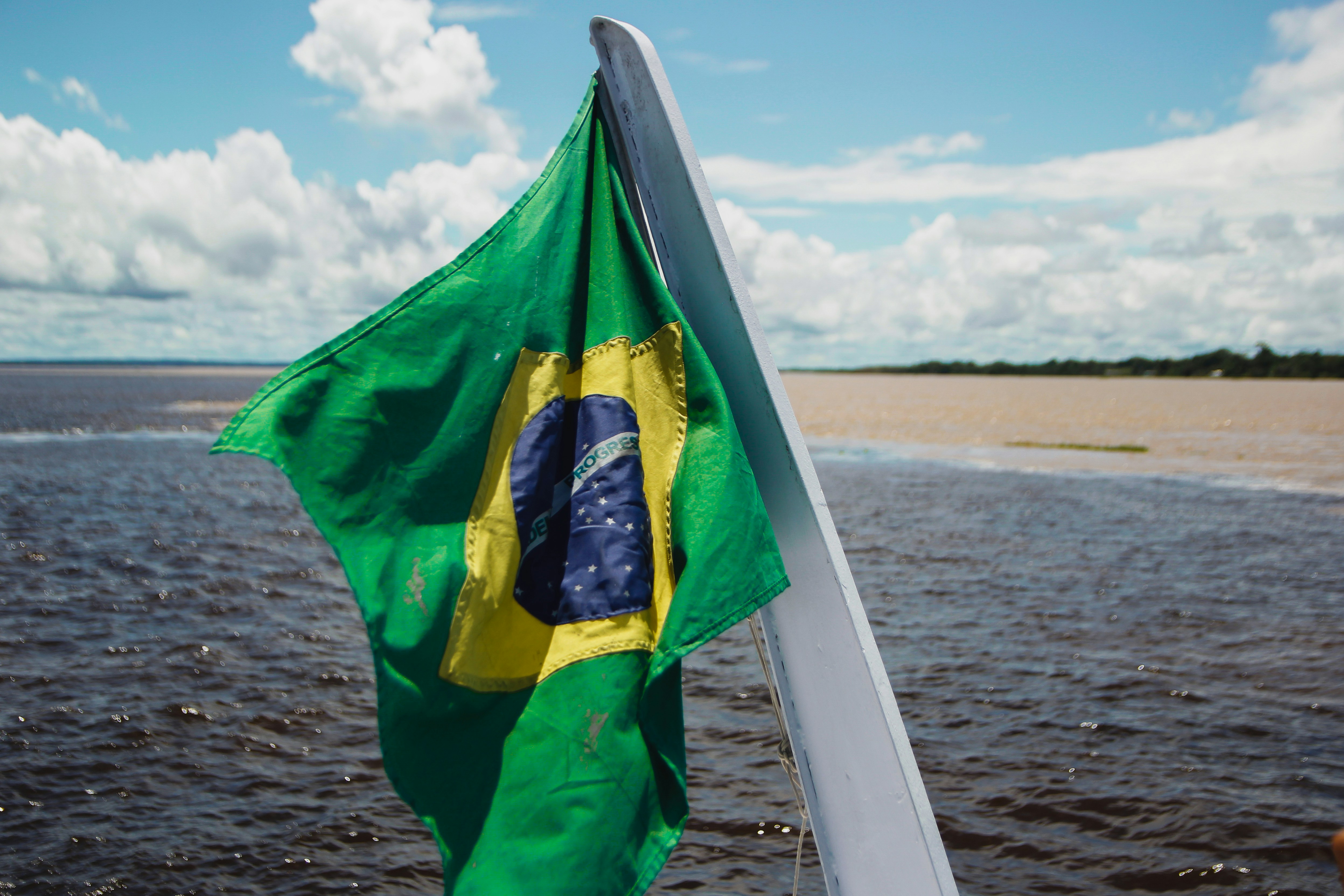
The Amazon river system serves as a critical transportation network for fuel and energy products in Northern Brazil. However, seasonal reductions in water levels can restrict vessel navigation and complicate the movement of petroleum products.
For 2026, monitoring has indicated a downward trend in river levels, prompting Transpetro and Petrobras to activate preventive logistical measures.
The companies are coordinating through the Amazon Low-Water Committee, which monitors weather conditions, river levels, and operational requirements on a weekly basis.
The objective is to prepare transportation resources before navigation restrictions become more severe and maintain continuity in regional fuel distribution.
Nine Vessels Mobilized for the 2026 Operation
The 2026 Codajás Operation includes a dedicated fleet of nine vessels to support petroleum and gas transportation.
The fleet comprises:
Two LPG carriers assigned exclusively to the operation: Gilberto Freyre and Jorge Amado.
Four additional LPG carriers: Oscar Niemeyer, Barbosa Lima Sobrinho, Darcy Ribeiro, and Lucio Costa.
Three oil tankers: Sergio Buarque de Holanda, Romulo Almeida, and José Alencar.
In addition, the tanker Epic Baluan will be positioned in Coari, Amazonas, to provide extended storage capacity and supplement existing regional terminal infrastructure.
The strategy combines vessel availability, additional storage, and coordinated transportation planning to help maintain fuel deliveries during the low-water season.
Brazilian Navy Supports Navigation Safety
The Brazilian Navy is supporting the operation through vessel monitoring and surveys of critical river sections.
These activities are intended to help identify navigational restrictions and support safer vessel movements during the seasonal decline in water levels.
The coordination between Transpetro, Petrobras, and the Navy forms part of a broader contingency strategy designed to reduce logistical disruptions and maintain the transportation of essential energy products.
Importance of Urucu Production for Amazonas
Beyond fuel distribution, the Codajás Operation plays a role in maintaining the movement of oil and natural gas from the Urucu production hub.
Natural gas produced in the region contributes more than 50% of Amazonas state's electricity generation, according to Petrobras.
Maintaining the transportation of these resources is therefore relevant to both the regional petroleum supply chain and electricity generation.
The operation addresses two interconnected priorities: maintaining fuel availability and supporting the continuity of local energy production.
Codajás Operation Marks 31 Years in 2026
Established in 1995, the Codajás Operation has been conducted annually between September and December to address seasonal river transportation challenges.
Its experience includes the severe Amazon drought of 2024, when Transpetro conducted 21 dedicated operations and transported more than 16,000 tonnes of LPG to support regional supply.
In 2025, the company transported more than 60,000 tonnes of LPG and 129,000 cubic meters of oil during September and October while maintaining operational readiness.
These previous operations provide logistical experience for the 2026 contingency plan.
Implications for Brazil's Energy Logistics
The 2026 initiative highlights the importance of flexible maritime logistics and infrastructure planning in regions where inland waterways are essential for energy transportation.
The combination of dedicated vessels, extended storage, river monitoring, and interagency coordination is designed to reduce the impact of seasonal disruptions.
For Northern Brazil, the operation supports the continuity of LPG distribution, petroleum transportation, and natural gas production during a period of increased logistical constraints.
As river levels continue to be monitored, Transpetro and Petrobras will coordinate operational measures according to changing navigation and supply conditions.
Sources

Crude Palm Oil
Found this useful?