The pharmaceutical supply chain is facing a significant regulatory shift following a new executive directive. On August 10, 2026, President Trump signed an order mandating the development of vaccine adjuvants that replace aluminum.
This directive tasks the HHS Secretary Robert F. Kennedy Jr.'s Task Force on Safer Childhood Vaccines with finding viable alternatives. Procurement managers and chemical traders must prepare for rapid changes in ingredient sourcing. The move signals a major pivot away from traditional aluminum salts in pediatric immunizations.
Buyers of pharmaceutical excipients will see increased demand for novel immune-stimulating compounds. Suppliers who can provide safe and effective alternatives will gain a strategic advantage. The timeline for implementation remains tight requiring agile response from the industry.
Traders should anticipate volatility in the market for current adjuvant materials as manufacturers transition. Understanding the technical requirements for new adjuvants is essential for effective sourcing. This regulatory change reshapes the landscape for vaccine production globally.
The Strategic Shift Away from Aluminum Salts
Aluminum salts have served as the standard adjuvant in vaccines for decades. They enhance the immune response by creating a depot effect at the injection site. However growing scrutiny over their long-term safety profile has driven this policy change.
The executive order aims to eliminate these concerns by promoting safer alternatives. This shift requires identifying molecules that can stimulate immunity without metal-based mechanisms. Procurement teams must source materials that meet strict efficacy and safety standards.
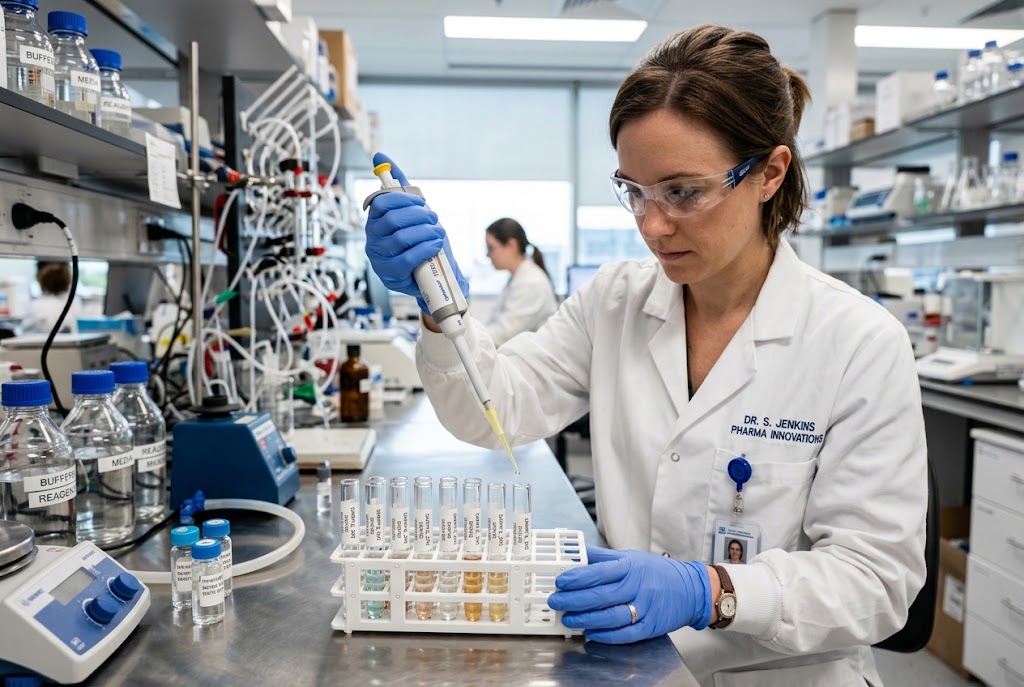
Developing new adjuvants involves complex biological and chemical engineering. Candidates must demonstrate robust immune activation with minimal side effects. Suppliers with expertise in immunology and formulation science will lead this transition.
Buyers should expect a period of dual sourcing as manufacturers phase out aluminum. Maintaining supply continuity during this transition requires careful planning and vendor management. Traders must monitor regulatory approvals for new adjuvant candidates closely.
Key Alternative Adjuvant Classes Under Consideration
Several classes of compounds are emerging as potential replacements for aluminum. Squalene-based emulsions represent one promising avenue due to their proven safety record in flu vaccines. These oil-in-water emulsions effectively boost antibody responses without metal ions.
Other candidates include synthetic lipids and polymer-based nanoparticles. These materials can be engineered to target specific immune pathways precisely. Their modular nature allows for customization based on the antigen type.
Procurement managers should evaluate suppliers capable of producing high-purity lipids and polymers. Consistency in molecular weight and structure is critical for batch-to-batch reliability. Buyers must verify that these materials meet pharmaceutical grade specifications.
Traders should also watch for developments in plant-derived saponins. These natural compounds offer strong adjuvant properties with favorable safety profiles. Sourcing sustainable botanical extracts will become increasingly important for vaccine manufacturers.
Impact on Global Pharmaceutical Supply Chains
The mandate to replace aluminum will disrupt existing supply chains for vaccine ingredients. Manufacturers must qualify new suppliers and validate production processes rapidly. This transition creates opportunities for specialized chemical producers to enter the market.
Regions with strong biotechnology infrastructure will likely dominate adjuvant production. North America and Europe may see increased domestic manufacturing to ensure supply security. This reshoring aligns with broader trends in pharmaceutical self-sufficiency.
Importers of traditional aluminum salts may face declining demand over time. Conversely, suppliers of novel excipients will experience surge in orders. Traders must adapt their portfolios to reflect this shifting market dynamic.
Logistics for temperature-sensitive biological adjuvants differ from stable aluminum salts. Cold chain requirements may become more stringent for new formulations. Buyers must upgrade their storage and transportation capabilities accordingly.
Regulatory Pathways for New Adjuvant Approval
The Task Force on Safer Childhood Vaccines will establish new guidelines for adjuvant evaluation. These standards will focus on long-term safety and developmental toxicity. Suppliers must provide comprehensive data to support regulatory submissions.
Clinical trials for vaccines using new adjuvants will require additional monitoring. Regulatory agencies may expedite reviews for candidates with strong preclinical data. Speed to market will be a key competitive factor for suppliers.
Procurement teams should engage with regulators early in the development process. Understanding compliance requirements helps avoid costly delays later. Transparency in manufacturing processes facilitates smoother approval workflows.
International harmonization of adjuvant standards will also impact global trade. Aligning with FDA EMA and other major agencies simplifies multi-market launches. Buyers should prioritize suppliers with global regulatory experience.
Challenges in Scaling Novel Adjuvant Production
Scaling the production of complex biological adjuvants presents technical hurdles. Fermentation and purification processes for lipids and proteins are sensitive to variation. Achieving consistent quality at large volumes requires advanced process control.
Cost remains a significant factor for widespread adoption. Novel adjuvants may initially carry a premium over inexpensive aluminum salts. Manufacturers must optimize production to reduce costs for public health programs.
Supply chain resilience for raw materials like squalene or specific lipids is crucial. Dependence on single sources poses risks during high-demand periods. Diversifying feedstock supplies ensures uninterrupted production.
Workforce expertise in handling biological excipients is another challenge. Training staff on new formulation techniques takes time and resources. Investing in human capital is essential for successful scale-up.
What Procurement Teams Should Do Now
Procurement leaders must identify suppliers with capabilities in novel adjuvant production. Engaging with innovators in lipid and polymer chemistry secures early access to candidates. Building relationships now ensures priority allocation during the transition.
Consider the following strategic actions for the coming year:
Audit current vaccine formulations for aluminum content. Identifying products requiring reformulation helps prioritize sourcing efforts.
Evaluate suppliers based on their regulatory track record for new excipients. Partners with proven compliance history reduce approval risks significantly.
Request stability and toxicity data for potential alternative adjuvants. Verifying safety profiles supports internal decision-making and regulatory filings.
Negotiate flexible contracts that allow for volume adjustments. This flexibility accommodates uncertainties in clinical trial outcomes and approval timelines.
Monitor Task Force recommendations and regulatory updates continuously. Staying informed helps anticipate changes in technical requirements and standards.
The Bottom Line for Pharmaceutical Buyers
The executive order mandating alternatives to aluminum adjuvants marks a pivotal moment for vaccine production. This shift drives demand for innovative pharmaceutical excipients and specialty chemicals. Buyers must adapt their sourcing strategies to secure safe and effective replacements.
Companies that partner with leading adjuvant developers will lead the transition. Access to novel immune-stimulating materials ensures compliance and maintains public trust. The future of vaccine manufacturing belongs to those who embrace safer and more advanced formulations. Ready to source Sodium Ascorbate from verified global suppliers? Explore competitive offers on our platform today.