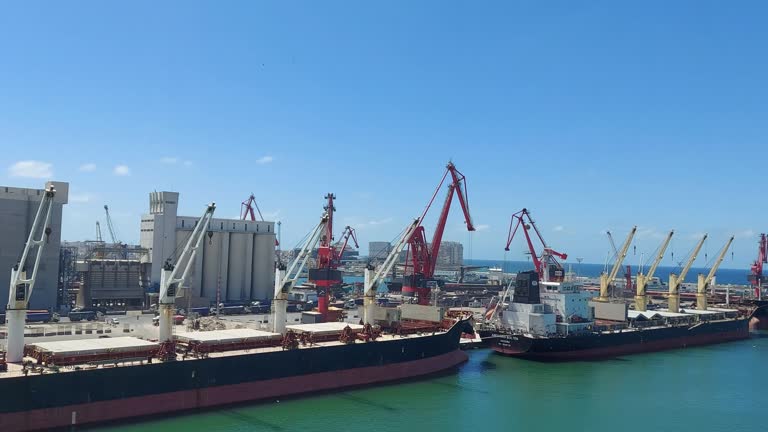
The recent decision by the U.S. administration to suspend customs duties on Moroccan phosphate marks a significant shift in agricultural trade policy. Moroccan phosphate, a staple in global fertilizer production, has long been subject to tariffs that influence import costs and supply chain dynamics. By suspending these duties, the policy lever opens new avenues for fertilizer sourcing, logistics planning, and market competition.
Background: Moroccan Phosphate and U.S. Trade Policy
Morocco supplies approximately 15% of the world’s phosphate rock, a critical component in nitrogen‑based fertilizers. Historically, U.S. tariffs on Moroccan phosphate were introduced to protect domestic producers and balance trade deficits. The suspension, announced in the latest trade round, temporarily erases a price barrier that had impacted both importers and end‑users.
Trump’s Trade Policy Lever: A Strategic Move
By suspending the duties, the administration signals a willingness to use tariff adjustments as a tool for encouraging agricultural competitiveness. The policy shift aligns with broader objectives to diversify sourcing options and reduce reliance on a single supplier chain. It also serves as a bargaining chip in future trade negotiations.
Impact on Fertilizer Imports
1. Price Reduction: Without the tariff, the cost of Moroccan phosphate drops by roughly 25–30%, making it more attractive to U.S. producers and downstream manufacturers.
2. Volume Increase: Lower prices are likely to boost import volumes, as companies seek to capitalize on cost savings.
3. Competitive Balance: Domestic producers must now compete with cheaper imported phosphate, potentially driving innovation and efficiency.
Sourcing Strategies for Agribusinesses
Agri‑chemical firms and fertilizer manufacturers can trump historical reliance on domestic sources by:
Re‑evaluating supply contracts to include Moroccan phosphate as a primary feedstock.
Exploring blended feedstock strategies that combine Moroccan rock with domestic limestone for optimized nutrient profiles.
Leveraging the duty suspension to negotiate better terms with Moroccan exporters, such as volume discounts or preferential shipping schedules.
These adjustments help firms maintain margins while offering competitive pricing to farmers.
Logistics Planning Considerations
1. Port Infrastructure: Moroccan ports serve key Mediterranean routes; exporters may need to upgrade container handling to meet increased demand.
. Transportation Modes: The shift encourages greater use of bulk carriers and rail freight to move large volumes efficiently.
3. Customs Clearance: With duties on hold, customs procedures simplify, reducing clearance times and warehouse holding costs.
4. Risk Management
Global Phosphate Trade Dynamics
The suspension reverberates beyond U.S. borders:
Market Share Redistribution: Countries that previously faced high tariffs may now capture larger market shares.
Price Volatility: A sudden influx of duty‑free imports can depress global prices, prompting producers in other regions to adjust output.
Strategic Alliances: Nations may form new trade agreements to secure stable access to Moroccan phosphate.
These dynamics underscore the interconnectedness of global agricultural supply chains.
The temporary suspension of Moroccan phosphate duties represents a strategic lever in U.S. trade policy, offering immediate benefits to fertilizer importers and logistics planners. While the policy could enhance competitiveness and lower costs, stakeholders must remain vigilant for future policy shifts and market fluctuations. By proactively adjusting sourcing strategies and logistics frameworks, agribusinesses can turn this policy change into a long‑term competitive advantage.