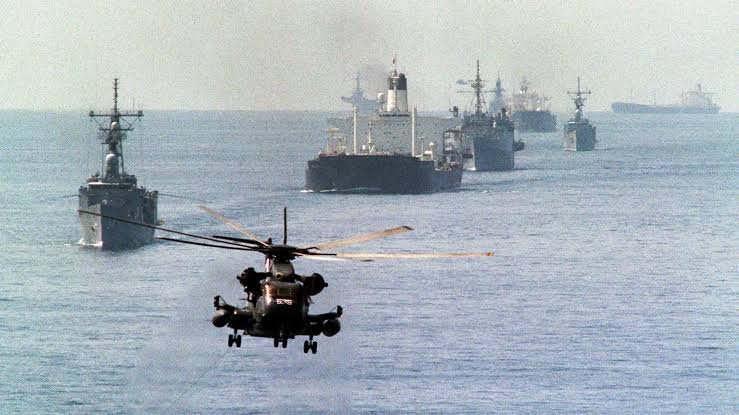
Trump's proposal for a 20% fee on cargo moving through the Strait of Hormuz created an immediate cost shock for global trade, but the policy was abandoned only days later. The reversal transformed what initially looked like a structural freight risk into a short-lived policy episode.
For chemical traders, procurement managers and industrial buyers, the importance lies in the speed of the U-turn. A 20% cargo fee would have affected landed costs across oil, refined products, petrochemicals and bulk chemicals. Its withdrawal removed the direct charge, but it also exposed a wider intelligence problem. Buyers must now decide how much weight to place on future announcements that can influence supplier offers and logistics planning before formal implementation.
Why the Original 20% Fee Mattered
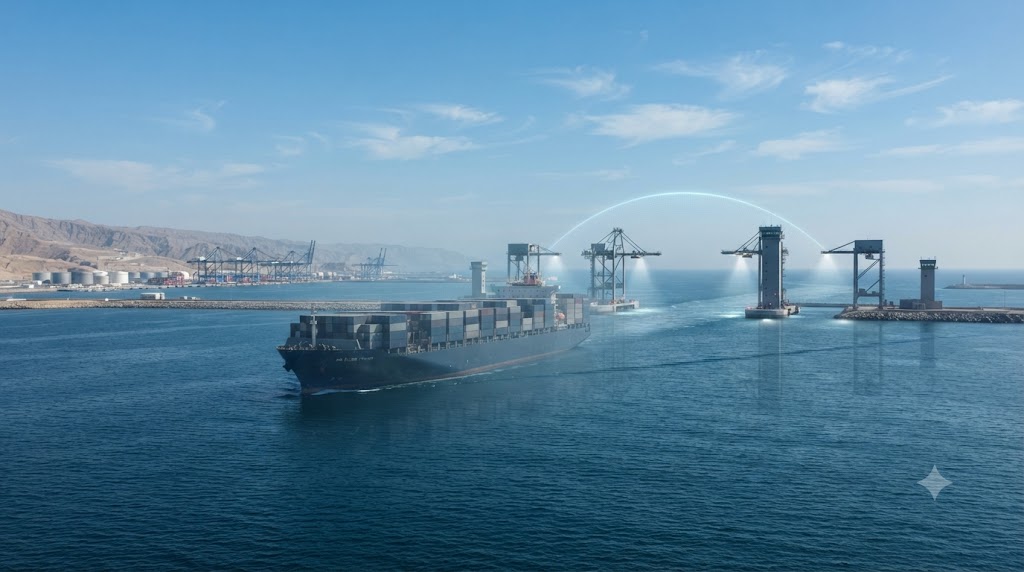
A 20% fee on cargo moving through Hormuz would have represented a major intervention in one of the world's most important trade corridors.
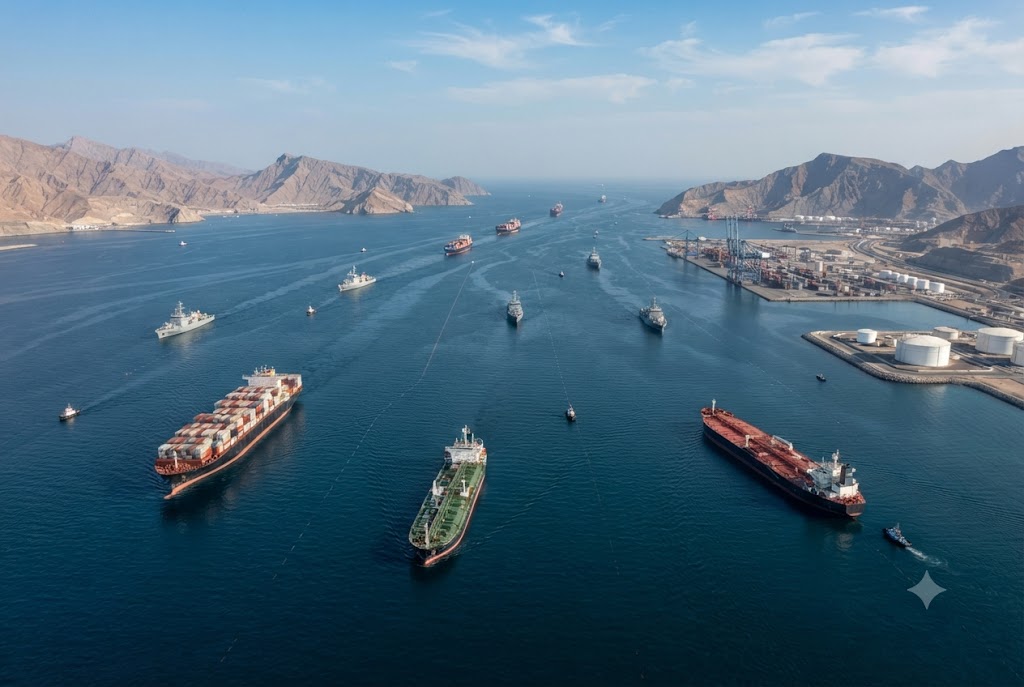
The Strait handles significant flows of crude oil, refined products, liquefied petroleum gas and petrochemical cargoes. Any additional charge on those shipments would have affected importers far beyond the Gulf.
For chemical buyers, the proposed fee mattered through several channels:
Higher landed costs: A direct cargo charge would have increased the delivered cost of Gulf-origin chemicals and feedstocks.
Supplier repricing: Exporters could have added the fee to offers or reduced quotation validity.
Route reassessment: Buyers might have considered alternative origins even where product prices were higher.
Inventory changes: Companies could have increased stocks before implementation.
Contract disputes: Existing agreements may not have clearly assigned responsibility for a new government charge.
The policy therefore carried the potential to reshape sourcing decisions before any vessel paid the fee.
Ranking the Reversal Against the Original Announcement
The original announcement ranked as a high-impact but uncertain policy risk. The reversal ranks as an equally important credibility signal.
The episode can be assessed across four dimensions:
Magnitude: A 20% fee would have been large enough to change trade economics materially.
Speed: The plan emerged and disappeared within days, limiting implementation planning.
Breadth: The proposal appeared relevant to cargo moving through a major international corridor rather than one narrow product category.
Durability: The rapid abandonment showed that political announcements may not become stable commercial rules.
This final dimension matters most for procurement intelligence.
A large proposal can still have limited long-term impact if governments withdraw it before implementation. However, markets may react immediately because traders cannot assume that every proposal will disappear.
The policy U-turn therefore ranks as a lower physical cost event but a higher uncertainty event.
Why Policy Announcements Can Move Markets Before Implementation
Commercial markets often respond before final rules exist. Suppliers, carriers and insurers must protect themselves against potential future costs.
A chemical exporter hearing about a proposed 20% cargo fee may shorten quotation validity even without knowing when the policy will begin. A freight provider may include conditional language to protect against new charges.
Importers may also accelerate purchases to avoid possible implementation.
These reactions can create temporary price pressure even if the policy never takes effect.
The Hormuz fee episode shows how expectations can affect trade before regulation changes physical flows. Procurement teams therefore need a method for separating preliminary political statements from operational policy.
The strongest signals include official implementation dates, legal documentation, defined collection mechanisms and clear responsibility for payment.
Without these elements, the announcement remains influential but less reliable.
The Missing Operational Details Were Critical
A cargo fee requires an administrative system. Authorities must define which cargoes qualify, how the fee is calculated and who collects payment.
The original proposal raised several practical questions:
Would the fee apply to cargo value, freight value or shipment volume?
Would crude oil, chemicals and other products face the same treatment?
Would the shipowner, exporter or importer pay?
How would authorities enforce payment on international vessels?
Would existing contracts receive exemptions?
Which government or agency would administer the system?
The absence of clear operational detail increased uncertainty.
A 20% fee can appear simple in political language while becoming highly complex in physical trade. Different interpretations could have produced inconsistent charges, contract disputes and shipment delays.
The reversal prevented these questions from becoming immediate implementation problems, but they remain useful indicators for judging future proposals.
What the Fee Would Have Meant for Chemical Trade
Chemical trade through the Gulf includes products with very different values, volumes and freight structures.
A 20% fee would not have affected every chemical equally in commercial terms. High-volume, lower-value products would have faced significant pressure if the charge applied to cargo value or shipment economics.
Petrochemical solvents, polymers, fertilizers and industrial intermediates could all have become more expensive for importers depending on the calculation method.
Products such as xylene carry direct links to Gulf refining and petrochemical systems. A new fee could have affected both product pricing and the economics of shipping it to international markets.
Importers might then have compared Gulf offers with suppliers from Asia, Europe or the Americas. Even where alternative factory prices were higher, avoiding the fee could have changed the delivered-cost ranking.
The proposal therefore had the potential to redirect trade flows rather than simply raise prices.
Why Abandoning the Fee Matters for Freight Markets
The withdrawal removed an immediate threat of a major policy-driven increase in shipping costs.
Carriers no longer needed to plan for a 20% charge entering voyage economics. Importers could avoid sudden landed-cost revisions linked directly to the proposal.
However, the reversal does not eliminate all freight risk around Hormuz.
Oil prices, security concerns, marine insurance and vessel availability can still raise transportation costs independently of government fees.
Procurement teams should separate these risks clearly.
A withdrawn cargo toll should not be confused with lower bunker fuel prices or improved regional security. Freight can remain expensive even after the policy threat disappears.
The most useful response is to revise only the cost assumptions directly linked to the abandoned fee while continuing to monitor physical shipping conditions.
The U-Turn Creates a Policy Credibility Problem
Rapid reversals make future announcements harder to interpret.
If buyers assume every proposal will disappear, they may fail to prepare for a policy that eventually becomes real. If they react fully to every announcement, they can make costly purchasing decisions based on measures that never take effect.
This creates a credibility dilemma.
Procurement teams need to rank policy announcements by maturity rather than treating all statements equally.
A practical ranking system can include:
Political statement: A proposal has been mentioned but lacks formal details.
Administrative proposal: Agencies begin defining scope and collection procedures.
Legal approval: Authorities publish enforceable rules.
Implementation stage: Fees begin appearing in contracts and invoices.
Sustained enforcement: The policy remains active across multiple shipments.
The Hormuz fee never progressed far enough to justify treating it as a stable cost.
Supplier Behaviour During a Short-Lived Policy Shock
Even temporary proposals can influence supplier behaviour.
Exporters may add protective clauses to quotations. Traders may reduce validity periods or warn that additional charges remain for the buyer's account.
Some suppliers may attempt to preserve higher offers after the policy disappears, particularly if customers reacted urgently.
Buyers should therefore review pricing changes introduced during the announcement period.
They should ask whether increases reflected:
This breakdown matters because only the fee-related component should disappear automatically with the reversal.
Other cost pressures may remain valid.
What the Reversal Means for Contract Management
Sudden policy proposals expose weaknesses in commercial contracts.
Buyers and sellers need clear language covering taxes, tolls, duties and extraordinary government charges. Without defined responsibility, new fees can create disputes.
The Hormuz proposal highlights the importance of reviewing Incoterms and additional-cost clauses.
Procurement teams should confirm:
Which party pays new transit charges
Whether government fees trigger price renegotiation
How suppliers document additional costs
Whether buyers can cancel if charges exceed agreed limits
How long quotations remain valid
Which events qualify for force majeure
The fee was abandoned, but the contract lessons remain relevant.
Future proposals may last longer or enter force before buyers have time to negotiate new protections.
How Chemical Buyers Should Respond to Similar Announcements
The best response is neither immediate panic nor complete dismissal.
Procurement teams should first assess policy maturity. An announcement with no legal text, collection method or implementation date deserves monitoring but not automatic stock building.
Critical materials may justify limited protective action if supply depends heavily on the affected route.
Buyers should request written confirmation from suppliers about whether quotations include proposed charges. They should also compare alternative origins before the market becomes urgent.
Scenario planning can help:
Proposal withdrawn: Maintain normal purchasing and remove temporary fee assumptions.
Fee delayed: Preserve flexible contracts and watch implementation details.
Fee introduced at a lower rate: Recalculate delivered costs by supplier and route.
Full 20% fee imposed: Review alternative origins, inventory coverage and customer pricing.
This structure avoids making one irreversible decision based on an uncertain announcement.
What Future Policy Indicators Deserve Attention
The next similar proposal should receive a higher credibility ranking only when operational evidence appears.
Procurement teams should watch for:
Formal government notices
Published legal authority
Defined fee calculation
Named collection agencies
Effective dates
Port or customs guidance
Supplier invoice changes
Carrier contract updates
Political repetition alone does not create enforceable policy.
The strongest signal comes when administrative and commercial systems begin adapting. Once carriers and customs authorities change documentation, the risk has moved beyond rhetoric.
Until then, buyers should treat the proposal as a scenario rather than a confirmed cost.
What Procurement Teams Should Take From the Reversal
Trump's proposed 20% Hormuz cargo fee ranked as a potentially severe trade intervention when first announced. Its abandonment only days later sharply reduced the direct cost threat.
The U-turn does not make the episode irrelevant. It shows how quickly political statements can influence expectations, supplier offers and procurement behaviour before implementation.
Chemical buyers should use the reversal to strengthen policy intelligence. They need to separate early political messaging from legal, administrative and commercial confirmation.
The correct response is staged preparation. Buyers should map exposure, review contract terms and monitor supplier behaviour without committing excessive inventory before rules become enforceable.
The fee disappeared, but the policy volatility remains a meaningful risk. Procurement teams that rank announcements by maturity will be better positioned to protect margins and supply continuity during future trade shocks.
Ready to source xylene from verified global suppliers? Explore competitive offers on our platform today.