Tungsten and Trace Metals in Food Processing Equipment: An Overlooked Supply Risk
The food industry relies on precision tooling to keep ingredients fresh, processes efficient, and safety high. At the heart of many cutting, grinding RJ and shaping tools is tungsten carbide, a composite forged from tungsten and carbon. Tungsten’s high melting point, exceptional hardness, and resistance to wear make it indispensable for blades, drills, and molds that face constant abrasion.
While the metal’s properties are celebrated, its supply chain is fragile. Global tungsten production is concentrated in a handful of countries, and recent geopolitical tensions have led to export restrictions that ripple through the entire manufacturing ecosystem. The consequence? Food processing equipment may become more expensive, harder to maintain, and less reliable.
Supply Chain Vulnerabilities
Several factors intensify the risk posed by tungsten scarcity:
Geographic Concentration: About 70% of the world’s tungsten is mined in China, with additional significant production in Russia and Mongolia.
Export Controls: New regulations limit the quantity of tungsten that can leave certain jurisdictions, especially when destined for high‑tech or defense applications.
Processing Bottlenecks: Converting raw tungsten ore into refined, high‑purity metal requires advanced smelting and purification steps that few facilities can perform.
Secondary Market Dependence: Much of the tungsten used in industrial tooling is sourced through secondary channels—resale, scrap recycling, or surplus stock—making it susceptible to price volatility.
When these elements converge, the price of tungsten carbide tooling can rise sharply, leading to higher upfront costs for food manufacturers who must purchase new equipment or retrofit existing lines.
Impact on Equipment and Operations
Food processing equipment—ranging from stainless‑steel slicing machines to high‑pressure sterilizers—depends on the consistent performance of tungsten‑based tools. A shortage can manifest in several operational challenges:
Increased Maintenance Frequency: Lower quality or hastily sourced tungsten carbide can wear faster, requiring more frequent blade changes and downtime.
Process Inefficiencies: Sub‑optimal cutting edges lead to uneven product sizes, higher waste rates, and slower throughput.
Higher Energy Consumption: Duller tools necessitate higher pressures or speeds to achieve the same results, driving up energy costs.
Supply‑Chain Disruptions: Delays in equipment orders can cascade into bottlenecks in ingredient sourcing, especially for perishable goods.
Regulatory Compliance Risks: Equipment that fails to meet safety or hygiene standards due to tool degradation may trigger inspections, recalls, or product bans.
Collectively, these impacts threaten not only the profitability of individual plants but also the stability of national food supply chains. In regions where food manufacturing already faces tight margins, the added cost of tungsten‑based tooling can be a tipping point toward operational failure.
Mitigation Strategies
Manufacturers and supply‑chain managers can adopt a multi‑layered approach to reduce vulnerability:
Diversify Material Sources: Explore alternative suppliers in countries with more liberal export policies or invest in local mining partnerships to secure a steady supply.
Invest in Tooling Innovation: Research and develop composite materials that blend tungsten carbide with other alloys, or shift to ceramic or diamond‑coated tools where feasible.
Implement Predictive Maintenance: Use sensors and data analytics to monitor tool wear in real time, allowing proactive replacements before failure.
Bulk Procurement and Stockpiling: Secure strategic reserves of tungsten carbide components during periods of low prices to buffer against future shortages.
Collaborate with Industry Consortia: Join sectoral cramps that share best practices, negotiate collective purchasing agreements, and lobby for balanced trade policies.
Enhance Recycling Programs: Capture and reprocess spent tungsten carbide from decommissioned tools, reducing reliance on new ore and lowering environmental impact.
By combining these tactics, companies can maintain equipment reliability, keep maintenance costs predictable, and safeguard their capacity to produce and distribute essential food ingredients.
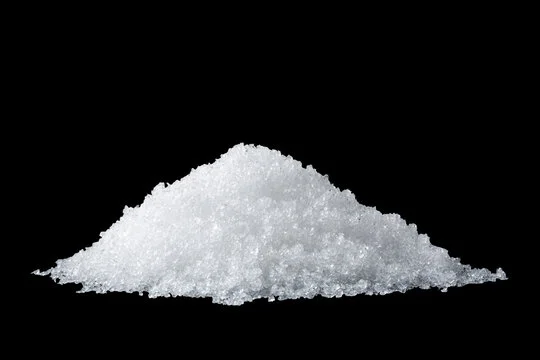
Ammonium Sulphate - China
Found this useful?