Global Soda Ash Market Outlook | Procurement Intelligence H2 2026 | ChemicalsBlog.com
Commodity Chemicals
schedule5 Min Read
Two Soda Ash Producers Retreat at Once: What It Means for Global Supply-Demand Balance
terminal
prodchem
Jul 16, 2026
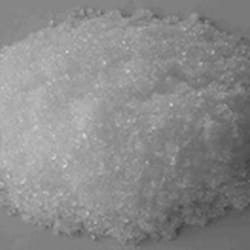
Soda ash (sodium carbonate) is one of the world's highest-volume industrial chemicals.
As a critical raw material for glass manufacturing, detergents, chemicals and numerous industrial processes, changes in soda ash production have far-reaching implications across global manufacturing.
Recent production reductions by major producers illustrate how prolonged oversupply can influence strategic decisions even in mature commodity markets.
For procurement professionals, these developments provide valuable insight into the evolving balance between global production capacity and industrial demand.
Why Soda Ash Matters
Soda ash is widely used across multiple industries, including:
Flat glass.
Container glass.
Fibreglass.
Detergents.
Chemical manufacturing.
Water treatment.
Metallurgy.
Lithium processing.
Because of its broad industrial use, soda ash demand closely reflects manufacturing activity and construction trends.
Capacity Reductions Reflect Market Conditions
Production curtailments generally occur when manufacturers face sustained pressure from:
Global oversupply.
Lower operating margins.
Weak pricing.
Rising production costs.
Reduced capacity utilisation.
Slower industrial demand.
These decisions are often intended to improve market balance rather than permanently reduce industry capacity.
Oversupply Influences Procurement Conditions
When supply exceeds demand, procurement teams may experience:
Increased supplier competition.
Stable or lower pricing.
Greater contract flexibility.
Higher product availability.
Improved negotiating leverage.
However, prolonged oversupply can also contribute to industry restructuring and future capacity rationalisation.
Glass Demand Remains a Key Market Driver
The largest end-use sector for soda ash is glass manufacturing, supporting industries such as:
Construction.
Automotive.
Solar energy.
Food and beverage packaging.
Consumer products.
Monitoring glass production therefore provides valuable insight into future soda ash demand.
Procurement Should Track Capacity as Well as Prices
Successful sourcing decisions require monitoring more than commodity pricing.
Important market indicators include:
Plant operating rates.
Capacity reductions.
New production projects.
Glass manufacturing demand.
Energy costs.
Export activity.
Producer financial performance.
Together, these indicators provide a more complete picture of future market conditions.
Capacity Rationalisation May Improve Long-Term Market Stability
When producers reduce operating rates or idle facilities, the objective is often to better align production with actual market demand.
Potential long-term effects include:
Improved capacity utilisation.
Better supply-demand balance.
More sustainable pricing.
Higher operational efficiency.
Reduced inventory pressure.
Stronger financial performance for producers.
For procurement professionals, these developments suggest that today's buyer-friendly conditions may gradually evolve if supply and demand become more closely aligned.
Soda Ash Markets Are Increasingly Influenced by Structural Factors
Beyond short-term demand fluctuations, the soda ash industry is increasingly shaped by:
Energy costs.
Environmental regulations.
Regional production economics.
Export competitiveness.
Logistics costs.
Capacity rationalisation.
Growth in downstream industries such as solar glass and lithium processing.
These structural drivers are becoming as important as traditional supply-and-demand cycles when evaluating long-term market conditions.
Procurement Should Look Beyond Spot Prices
Spot prices provide only a snapshot of current market conditions.
Procurement organisations should also monitor:
Producer operating rates.
Planned maintenance and shutdowns.
New production capacity announcements.
Global glass production.
Export volumes.
Freight rates.
Producer financial performance.
This broader market intelligence helps buyers distinguish between temporary price movements and longer-term structural changes.
Procurement Priorities for H2 2026
As soda ash markets continue adjusting to global oversupply, procurement organisations should:
Monitor capacity reductions and plant operating rates.
Track demand from glass, solar and industrial manufacturing sectors.
Evaluate supplier financial resilience and production strategies.
Diversify sourcing across multiple qualified producers.
Review long-term contracts while market conditions remain competitive.
Monitor energy costs and freight trends affecting landed prices.
Incorporate supply-demand balance indicators into procurement planning.
These actions strengthen procurement resilience while positioning buyers to respond effectively if market conditions tighten.
Looking Ahead to H2 2026
The simultaneous production reductions by multiple soda ash producers illustrate how commodity chemical markets eventually respond to prolonged oversupply. Capacity rationalisation is a common mechanism through which producers seek to restore healthier utilisation rates, improve profitability and rebalance supply with underlying industrial demand. While these adjustments may not immediately change market pricing, they often represent an important stage in the commodity cycle.
For procurement professionals, the current environment continues to offer opportunities through competitive supplier markets and relatively favourable purchasing conditions. However, procurement strategies should also account for the possibility that sustained capacity reductions, combined with recovering demand from glass manufacturing, solar energy and industrial applications, could gradually tighten market conditions over time.
The key lesson for H2 2026 is that capacity reductions are often an early indicator of a market moving toward a new supply-demand equilibrium rather than simply a reaction to weak prices. Procurement organisations that combine capacity monitoring, end-market demand analysis, supplier financial intelligence and global trade data will be better positioned to optimise sourcing decisions and maintain resilient supply chains.
Ready to source soda ash, industrial minerals and commodity chemicals from verified global manufacturers with reliable production capabilities and competitive international pricing? Explore competitive offers on our platform today.