What Is Purified Terephthalic Acid (PTA)?
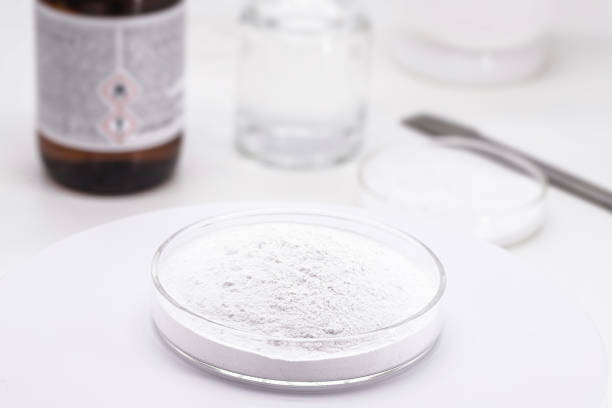
Purified terephthalic acid, commonly abbreviated as PTA, is a white crystalline solid that serves as the primary PET resin raw material and a fundamental building block for polyester fibre. Its chemical formula is C8H6O4, and it is derived from the oxidation of paraxylene, a petroleum‑based aromatic hydrocarbon.
Why PTA Matters in the Chemical Industry
PTA’s importance stems from its role in two massive global markets:
Polyethylene terephthalate (PET) packaging – bottles, food trays, and film.
Polyester fibre – textiles, home furnishings, and industrial fabrics.
Together, these applications account for over 70 % of global PTA demand, making the PTA chemical one of the most traded industrial commodities.
PTA Production Process: From Paraxylene to Purified Terephthalic Acid
The conversion of paraxylene to PTA is a multi‑step, highly integrated process that can be divided into three main stages:
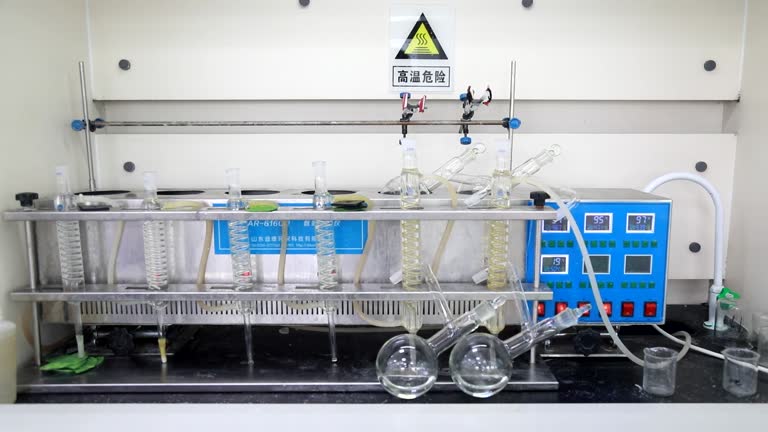
Oxidation – Paraxylene is mixed with air and a vanadium‑based catalyst in a liquid phase reactor. At 200‑230 °C, the paraxylene is oxidized to terephthalic acid (TPA) and a small amount of side‑products.
Crystallization and Filtration – The reaction mixture is cooled, and TPA crystals are precipitated. Filtration removes catalyst residues and insoluble impurities.
Purification – The crude TPA undergoes a series of washing, recrystallization, and drying steps. The result is high‑purity PTA that meets the stringent specifications required for PET and polyester manufacturing.
Modern PTA plants integrate heat recovery and waste‑gas treatment, achieving overall energy efficiencies above 70 % and reducing CO₂ emissions per tonne of product.
Key Uses of PTA
Once purified, PTA is sold to two major downstream sectors:
PET Resin Production – PTA is esterified with ethylene glycol to form bis‑(hydroxyethyl) terephthalate (BHET), which is then polymerized into PET resin. This resin is the backbone of beverage bottles, food containers, and clear films.
Polyester Fibre Manufacturing – PTA reacts with ethylene glycol to produce polyester polymer chips, which are melt‑spun into fibres for clothing, upholstery, and industrial applications.
Both pathways demand PTA of >99.5 % purity, underscoring the importance of the final purification stage.
PTA Market Dynamics in 2026
Several forces are reshaping the PTA market this year:
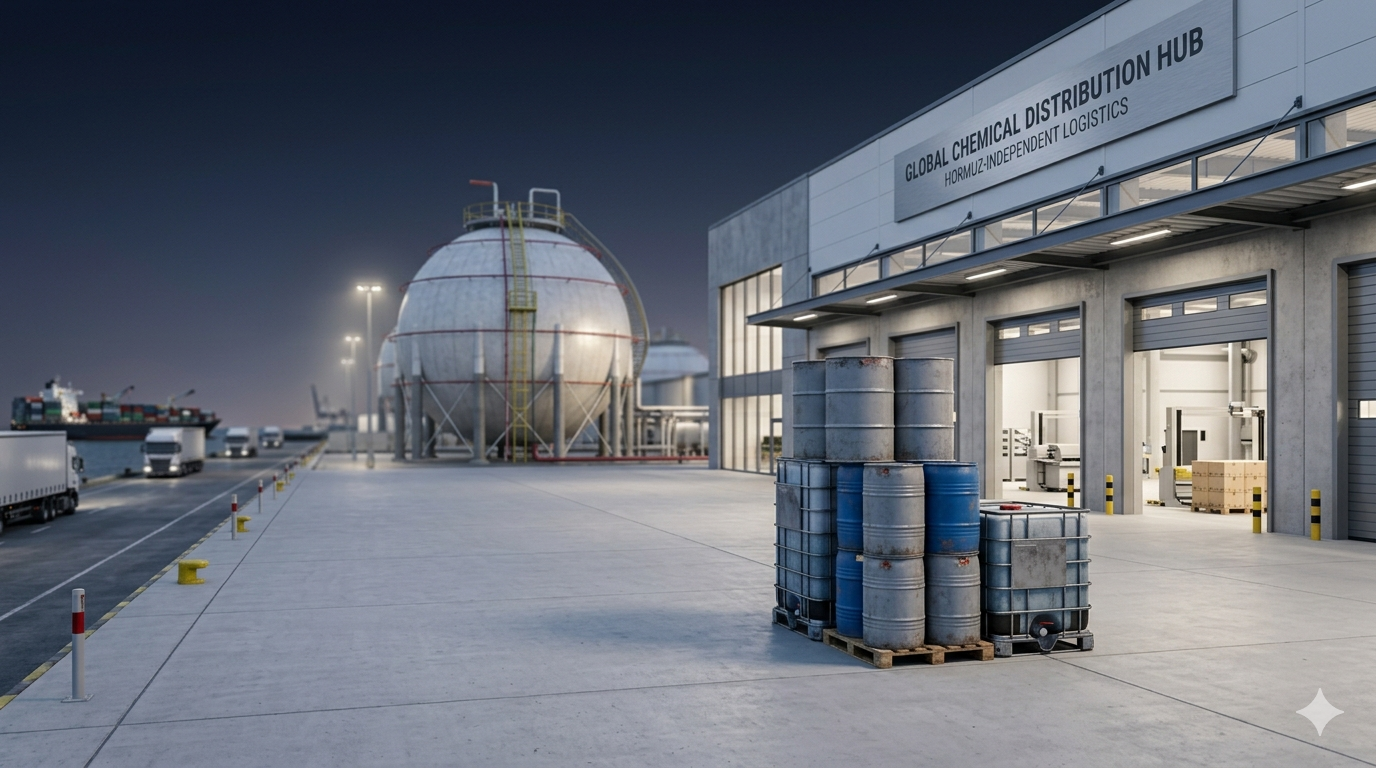
Paraxylene Supply Disruptions – Unexpected refinery turn‑arounds in the Middle East and tighter environmental regulations in Europe have reduced paraxylene availability, tightening the feedstock base for PTA.
China’s Production Dominance – China now operates over 30 % of global PTA capacity, leveraging lower energy costs and integrated petrochemical complexes. This concentration gives Chinese producers significant pricing power.
Shift Toward Sustainable PET – Growing consumer demand for recycled PET (rPET) is prompting manufacturers to secure high‑quality PTA for virgin PET blends, supporting price premiums for low‑impurity grades.
As a result, PTA spot prices have displayed higher volatility, with a 15 % price premium on Asian contracts versus European benchmarks.
Implications for Buyers and Investors
For companies that rely on PTA as a PET resin raw material or a polyester precursor, the 2026 landscape suggests three strategic actions:
Secure Long‑Term Feedstock Agreements – Locking in paraxylene supply or entering PTA offtake contracts can mitigate price spikes.
Invest in Recycling Integration – Blending rPET with virgin PET reduces overall PTA demand but can improve sustainability credentials and lower long‑term material costs.
Monitor Regional Capacity Shifts – New PTA projects in the United States and the Middle East aim to offset Chinese dominance, offering potential arbitrage opportunities.
Future Outlook
Looking ahead, the PTA market is expected to grow at a modest 3‑4 % CAGR through 2030, driven by expanding PET packaging in emerging economies and continued demand for high‑performance polyester fibres. Technological innovations, such as oxidative dehydrogenation of p‑xylene and advanced catalyst systems, promise to improve yields and lower carbon footprints.
Stakeholders who stay attuned to paraxylene supply trends, diversify their sourcing, and embrace circular economy initiatives will be best positioned to thrive in the evolving PTA landscape.