UPM–Sappi Paper Joint Venture Faces EU Competition Concerns: What Buyers Need to Know
The proposed UPM–Sappi paper joint venture faces a major regulatory challenge after the European Commission raised serious competition concerns in its ongoing merger review. The development matters to paper manufacturers, distributors and industrial buyers because the transaction could reshape competition across Europe's graphic paper market.
UPM, the Finnish materials company, and Sappi, the South African paper producer, plan to combine selected communication and graphic paper operations in a joint venture valued at approximately €1.42 billion. The companies argue that combining their operations could improve efficiency and help the industry manage declining demand, but European regulators want to address potential risks to competition before allowing the transaction to proceed.
UPM.com | A material solutions company
+1
For procurement professionals, the central question extends beyond merger approval. Buyers must assess how the regulatory process could influence supplier choice, contract negotiations, product availability and long-term purchasing strategies.
Why the European Commission Is Challenging the UPM–Sappi Joint Venture
The European Commission has issued a Letter of Facts that restates its serious concerns about the proposed transaction. This step forms part of the detailed Phase II investigation, which examines transactions that raise significant competition questions.
The review focuses on whether combining the companies' graphic paper operations could weaken competition in important product categories. Communication papers serve applications such as books, magazines and other printed materials, where customers often depend on consistent specifications and dependable supply.
UPM.com | A material solutions company
+1
The Commission's assessment matters because a joint venture between major suppliers can change the competitive balance even when the companies present operational efficiencies as a central benefit.
Regulators must consider whether the proposed structure could give the combined business greater influence over market conditions. They also need to assess whether claimed efficiencies would adequately address potential harm to customers.
The current review does not mean that the Commission has prohibited the transaction. Instead, the companies must address the identified concerns before the regulator makes its final decision.
What UPM and Sappi Plan to Combine
The proposed joint venture would bring together UPM's communication paper businesses in Europe and the United States with Sappi's European graphic paper operations. The companies intend to establish a standalone business that would manage its own operations within the agreed ownership structure.
EUR-Lex
+1
The plan reflects structural changes across the paper industry. Digital communication has reduced demand for several traditional printing paper grades, placing pressure on manufacturers to adjust production capacity and control operating costs.
UPM and Sappi argue that their combined capabilities could help them respond to these conditions more efficiently. They also believe that coordinated operations could support a more sustainable production base and help maintain reliable customer supply.
UPM.com | A material solutions company
+1
However, the transaction would also bring substantial operations under a single commercial structure. The Commission must determine whether the benefits outweigh the potential risks to competition in the affected markets.
For paper buyers, the distinction is important. Operational consolidation may improve efficiency, but buyers also need enough independent suppliers to maintain competitive pricing and negotiate favorable contract terms.
How Competition Concerns Could Affect Graphic Paper Buyers
The regulatory review raises several questions for companies that purchase graphic paper for printing, publishing, distribution and related industrial activities.
A smaller number of independent suppliers can affect purchasing decisions, especially when buyers require specific paper grades, technical properties or delivery schedules. The precise impact will depend on the final transaction structure and any remedies that the parties offer.
Key areas for procurement teams to monitor include:
Supplier choice: Buyers should assess how many qualified suppliers can meet their requirements for each paper grade and specification.
Pricing negotiations: Changes in market concentration could influence the bargaining position of large-volume buyers and smaller distributors.
Contract flexibility: Procurement teams should review renewal dates, volume commitments and alternative sourcing provisions before negotiating new agreements.
Product availability: Buyers that rely on a narrow range of grades should identify alternative manufacturers and confirm whether substitute products meet their technical requirements.
Supply continuity: Companies should maintain contingency plans for delayed deliveries, changes in production schedules or shifts in supplier portfolios.
These are potential procurement implications, not confirmed outcomes of the proposed joint venture. Nevertheless, the regulatory process gives buyers a reason to review their sourcing exposure before the market structure changes.
Why the Paper Industry Is Under Pressure to Consolidate
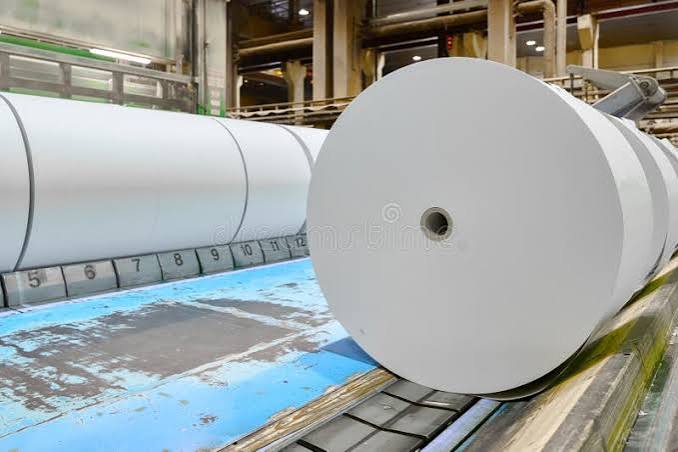
The proposed transaction comes at a difficult time for European graphic paper producers. Digitalisation has reduced demand for traditional printing papers, creating pressure on manufacturers to adjust capacity, improve efficiency and protect the commercial viability of their operations.
UPM has stated that European graphic paper demand has fallen by more than half over the past two decades and expects further declines. The company views the joint venture as a way to manage capacity more systematically while maintaining a competitive European production base.
UPM.com | A material solutions company
+1
Several factors explain why manufacturers are considering consolidation:
Structural demand decline: Digital publishing and electronic communication continue to reduce demand for some traditional printing grades, making it harder for mills to operate at efficient production levels.
High operating costs: Energy, transport, maintenance and raw material expenses can place pressure on margins when production volumes fall.
Capacity management: Manufacturers need to align output with actual demand while avoiding excessive inventories and inefficient use of production assets.
Investment requirements: Modernising mills, improving energy efficiency and meeting environmental requirements require capital that becomes harder to justify in shrinking markets.
Consolidation can help manufacturers distribute costs across a larger operation. However, regulators must also consider whether the resulting market structure leaves customers with sufficient alternatives.
For buyers, this creates a difficult balance. A more efficient manufacturing base may support long-term supply reliability, but reduced competition could weaken purchasing leverage if too few suppliers remain in particular paper segments.
What the Remedies Could Mean for the Transaction
UPM and Sappi intend to propose remedies to address the Commission's concerns rather than divest business assets. The companies have maintained that the proposed combination offers a strategic response to declining demand and that they want to preserve its underlying rationale.
UPM.com | A material solutions company
+1
In merger reviews, remedies generally aim to resolve competition problems without necessarily abandoning the entire transaction. Depending on the concerns identified, possible measures in merger cases can include commitments that protect customer access, preserve competitive conditions or address specific commercial restrictions.
The precise remedies proposed by UPM and Sappi will determine how effectively they address the Commission's concerns. Buyers should not assume that any particular safeguard has already been agreed or that the regulator will automatically accept the companies' proposals.
The parties have also ruled out divestments as their preferred approach. This position makes the discussions over alternative remedies especially important because the Commission must decide whether those measures can adequately protect competition.
The European Commission's review remains ongoing, with a decision expected by the end of 2026 or shortly afterward. The Commission has extended the deadline for the companies to submit remedies to 9 December 2026.
UPM.com | A material solutions company
+1
Until the regulator reaches a decision and the parties meet the other closing conditions, buyers should treat the proposed joint venture as a pending transaction rather than an established change in supplier ownership.
Sustainability and Regulation in the Paper Supply Chain
The transaction also highlights the relationship between industrial sustainability and competition policy. Paper manufacturers use wood fibre and energy-intensive production processes, so operational efficiency can influence both manufacturing costs and environmental performance.
UPM and Sappi argue that the proposed joint venture could create a more efficient and sustainable manufacturing platform. Their plans reflect a wider industry challenge: producers must respond to declining demand while maintaining investment in competitive, resource-efficient facilities.
UPM.com | A material solutions company
+1
However, sustainability benefits do not remove the need to preserve competition. Regulators must assess the overall effects of a transaction, including its potential impact on customers, pricing and market access.
Procurement teams can support their own sustainability objectives by evaluating suppliers across several criteria:
Fibre sourcing: Request information about wood fibre origins and relevant responsible sourcing certifications.
Energy performance: Compare suppliers' energy efficiency initiatives and available emissions information.
Product specifications: Evaluate paper quality, consistency and suitability for the intended application before switching suppliers.
Supply chain transparency: Maintain documentation on supplier origin, production facilities and applicable environmental requirements.
These checks help purchasing teams make decisions that balance price, product quality, environmental objectives and delivery reliability.
The regulatory outcome may also influence how the industry approaches future consolidation. Paper producers seeking efficiency gains will need to consider both commercial advantages and the competition requirements that apply to major transactions.
Market Outlook: What Could Happen After the EU Decision?
The Commission's decision will help determine the next stage of the proposed UPM–Sappi transaction. Three broad scenarios are relevant to paper buyers.
Approval with acceptable remedies: If the Commission accepts the proposed measures, the transaction could proceed once the parties satisfy the remaining conditions. Buyers would then need to monitor how the new organisation manages product portfolios, customer relationships and commercial arrangements.
Further regulatory scrutiny: If the proposed remedies do not adequately address the concerns, the review could require additional engagement. Continued uncertainty may make it harder for buyers to anticipate future supplier structures or make long-term sourcing decisions based on the proposed combination.
A transaction that does not proceed as planned: If the companies cannot secure the necessary approvals, they may need to reconsider their strategy. The two businesses would not automatically combine through this transaction, leaving buyers to assess their existing supplier relationships and the industry's broader capacity adjustments.
None of these scenarios guarantees a particular price or supply outcome. Market demand, production economics, energy costs and competition from other producers will continue to influence commercial conditions.
Buyers should therefore avoid making purchasing decisions based solely on the anticipated merger outcome. A diversified sourcing strategy remains valuable regardless of the final regulatory decision.
What Procurement Teams Should Do Before Year-End
Paper buyers can use the coming weeks to strengthen their procurement position while the European Commission continues its review.
First, identify which graphic paper grades are essential to your operations and determine how heavily your business depends on individual manufacturers. This analysis will help distinguish products that require immediate contingency planning from those with several readily available alternatives.
Next, review supplier contracts and purchasing forecasts. Pay particular attention to renewal dates, delivery commitments, minimum order quantities and the conditions that govern changes in supply arrangements.
Procurement teams should also consider the following practical actions:
1. Qualify alternative suppliers. Identify manufacturers and distributors that can supply the required paper grades, then evaluate their quality standards, production capacity and delivery capabilities.
2. Request updated quotations. Compare current commercial offers and delivery terms across qualified suppliers rather than assuming that the regulatory review will lead to immediate price changes.
3. Review inventory exposure. Establish appropriate stock levels for critical grades based on consumption patterns, storage capacity and replenishment lead times.
4. Track regulatory announcements. Monitor updates from the European Commission, UPM and Sappi, particularly announcements about remedies, approval conditions and the final decision.
5. Keep sourcing options flexible. Where commercially practical, avoid unnecessary dependence on a single supplier and maintain clear procedures for qualifying substitute products.
These steps can help importers, distributors and industrial buyers manage uncertainty without overreacting to a transaction that remains under review.
The Bottom Line for Paper Buyers
The UPM–Sappi paper joint venture represents a significant development for Europe's graphic paper industry because it brings together the competing priorities of manufacturing efficiency, sustainability and market competition. The European Commission's concerns show that the transaction must satisfy regulatory requirements before the proposed business combination can proceed.
For procurement professionals, the immediate priority is to protect supply continuity and preserve competitive sourcing options. Buyers should monitor the remedies process, review supplier concentration and prepare alternatives for critical paper grades rather than wait for the final decision to begin planning.
The coming months will clarify whether the parties can address the Commission's concerns while retaining the operational benefits they expect from the transaction. Until then, disciplined supplier management and flexible purchasing strategies remain the most practical response.

Kaolin
Found this useful?