
Urea to Corn Price Ratio Hits Record Highs, Reshaping US Fertilizer Buying
The urea to corn price ratio has reached record highs in the US, creating a sharper affordability problem for corn growers even though urea prices have not necessarily exceeded their earlier nominal peaks. The key issue is the relationship between what farmers receive for their crop and what they must pay for nitrogen fertilizer.
Recent market data shows that growers need about 185 bushels of corn to purchase one ton of urea, the highest level recorded. The ratio has become a critical indicator for fertilizer buyers because it captures the pressure created by rising nitrogen costs alongside corn prices near $4.50 per bushel.
Why the Urea to Corn Ratio Matters to Growers
The ratio provides a practical way to measure fertilizer affordability. Instead of looking only at the dollar price of urea, growers can compare the fertilizer cost with the amount of corn required to generate equivalent revenue.
This distinction matters because fertilizer can become less affordable even when its nominal price remains below a previous market peak. During the 2022 fertilizer shock, corn prices were substantially higher, which provided farmers with more crop revenue to offset expensive inputs. Current corn prices offer much less protection.
Agricultural economists have highlighted this difference in the current market. Farmdoc estimates that a urea to corn affordability ratio could reach 174 bushels per short ton under a contested transit scenario, compared with a long-run average of about 79 bushels.
The result is a market where fertilizer affordability has deteriorated faster than headline fertilizer prices alone suggest.
Nitrogen Costs Are Taking a Larger Share of Corn Revenue
Nitrogen remains one of the most important input costs in corn production, making changes in urea pricing particularly significant for growers and agricultural procurement teams.
Current estimates indicate that nitrogen costs could account for around 21% of corn revenue in 2026. That compares with roughly 18% to 19% during 2023 through 2025 and an average of about 17% during 2010 through 2021.
That shift puts greater pressure on farm margins. When crop prices remain weak while fertilizer costs rise, growers have fewer opportunities to absorb higher input expenses without changing their purchasing or application strategies.
The affordability challenge also extends beyond urea. Other nitrogen products have experienced price increases, although the degree of exposure differs by product and supply chain.
Why Urea Has Become More Expensive
Global logistics have played an important role in the recent nitrogen market. The Strait of Hormuz is a major route for fertilizer shipments, and disruption in the region has affected the flow and pricing of nitrogen products.
Urea has experienced particularly strong exposure because significant volumes of global urea trade move through the Persian Gulf. Market analysis indicates that roughly one-third of global urea supply normally passes through the Strait of Hormuz.
The disruption has created a different pricing environment for imported urea compared with nitrogen products supplied more heavily from domestic US production.
This difference has become important for growers deciding which nitrogen source offers the best economic value.

Anhydrous Ammonia Gains a Competitive Advantage
One of the clearest effects of the changing nitrogen market is the growing economic appeal of anhydrous ammonia.
Urea prices have responded strongly to global shipping disruptions, while anhydrous ammonia relies more heavily on US natural gas and domestic distribution. That difference has widened the cost gap between the two nitrogen sources in some markets.
Recent analysis estimated that anhydrous ammonia could be around $50 per acre cheaper than urea for a standard 180-pound nitrogen application under the market conditions examined. The difference is significant enough to influence purchasing decisions for farms capable of handling ammonia.
However, switching products is not straightforward for every grower. Equipment availability, storage infrastructure, application systems, transportation and local retailer supply all affect which nitrogen products farmers can realistically use.
For procurement teams, this means price comparisons should consider the delivered and applied cost, rather than simply comparing the quoted price per ton.
How Farmers Are Changing Fertilizer Purchasing Decisions
The affordability squeeze is encouraging growers to reconsider both timing and product selection. Farmers who traditionally rely on urea may look more closely at anhydrous ammonia, liquid nitrogen or other available nitrogen programs when economics favor a change.
Several purchasing priorities are becoming more important:
Earlier procurement: Forward buying can reduce exposure to sudden price increases, particularly when global logistics remain uncertain.
Product flexibility: Buyers with access to multiple nitrogen products can compare relative economics instead of depending on a single fertilizer source.
Local availability: A lower quoted price has limited value if transportation delays or regional shortages prevent timely delivery.
Application economics: Product price, application cost, equipment requirements and nitrogen efficiency should be considered together.
Inventory planning: Retailers and distributors need to anticipate demand further ahead because growers are increasingly concerned about the next crop cycle, not only the current season.
These changes create opportunities for suppliers that can offer dependable volumes, transparent pricing and flexible delivery arrangements.
Supply Chain Risk Is Extending Into 2027
The current affordability problem is also influencing expectations for the next crop year. Farmers typically make fertilizer purchasing decisions well before they plant, meaning disruptions during one season can affect procurement behavior months later.
The National Corn Growers Association reported that concern about fertilizer prices and availability was rising more sharply for the 2027 crop than for the 2026 crop. For every farmer reporting greater concern about 2026, nearly two farmers reported heightened concern about 2027.
This forward-looking behavior could affect fertilizer trade flows. If growers and retailers become more concerned about future availability, they may increase advance purchases, secure contracts earlier or diversify suppliers.
For international exporters, this creates a stronger case for maintaining reliable relationships with US distributors and monitoring freight conditions closely.
What the Record Ratio Means for Fertilizer Traders
For chemical traders and fertilizer suppliers, the urea to corn ratio offers more than a measure of farm affordability. It provides a useful signal about potential demand behavior.
When fertilizer becomes expensive relative to crop revenue, farmers may delay purchases, reduce application rates where agronomically possible or switch between nitrogen products. Each response can alter regional demand patterns.
Traders should therefore monitor several indicators together rather than relying on the urea price alone:
Corn futures and expected farm revenue
Urea prices at major US delivery points
Anhydrous ammonia and liquid nitrogen prices
Ocean freight and geopolitical disruptions
Import availability and inventory levels
Seasonal fertilizer purchasing patterns
Retailer and grower expectations for the following crop
The combination of these indicators can provide a clearer view of actual purchasing power and potential demand.
Procurement Strategies for a High-Cost Nitrogen Market
Buyers operating in this environment need to balance price optimization with supply security. Waiting for a lower spot price can create exposure if a shipping disruption, production outage or sudden increase in demand pushes prices higher.
A more resilient approach can involve dividing purchases across different time periods and maintaining relationships with multiple suppliers. This reduces reliance on a single transaction and gives buyers greater flexibility when market conditions change.
Product substitution can also support cost management where farm infrastructure permits it. The growing price difference between urea and anhydrous ammonia shows why buyers should evaluate the full economics of available nitrogen products.
For importers and distributors, supplier diversification becomes especially important when global logistics remain vulnerable. A reliable supply at a competitive delivered cost can be more valuable than a low headline price with uncertain availability.
What Buyers Should Watch Through the Next Crop Cycle
The urea to corn price ratio is likely to remain an important market signal as farmers prepare for future fertilizer purchases. The current squeeze comes from two sides, elevated nitrogen costs and weaker corn revenue.
That combination makes the present environment different from earlier fertilizer price shocks. During 2022, high corn prices provided farmers with a stronger revenue buffer, while the current market offers less protection even when fertilizer prices remain below some previous peaks.
For procurement teams, the main priority should be maintaining visibility across both commodity and fertilizer markets. Buyers that monitor affordability ratios, supplier availability and logistics conditions can react faster when purchasing opportunities emerge.
The market also highlights the value of having several sourcing options. Access to Urea (Granular) - Egypt and other established nitrogen supply channels can help buyers compare international offers against domestic alternatives and manage exposure to regional supply disruptions.
As growers adjust their purchasing strategies, suppliers that combine competitive pricing with dependable delivery will be better positioned to capture demand. For US agricultural buyers, the affordability equation will remain central to fertilizer decisions as they plan the next crop.
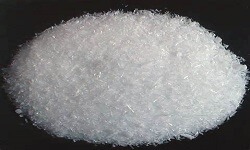
Urea (Granular) - Egypt
Found this useful?