U.S. Ethane Exports Hit Record Highs, But China Demand Growth Is Cooling
U.S. Ethane Exports Hit Record Highs, But China Demand Growth Is Cooling
Introduction
The global ethane market is entering a new phase as U.S. exports continue to reach record levels while demand growth from China, the world's largest importer, begins to moderate. Strong production from U.S. shale gas fields has supported abundant ethane supply, enabling exporters to expand shipments to international petrochemical markets. However, slowing industrial activity, cautious petrochemical investments, and changing economic conditions in China are creating uncertainty about future demand.
For chemical producers, traders, and procurement teams, the challenge is understanding whether expanding supply will continue to outpace demand or if market fundamentals will shift in the coming months.
U.S. Ethane Exports Reach New Milestones
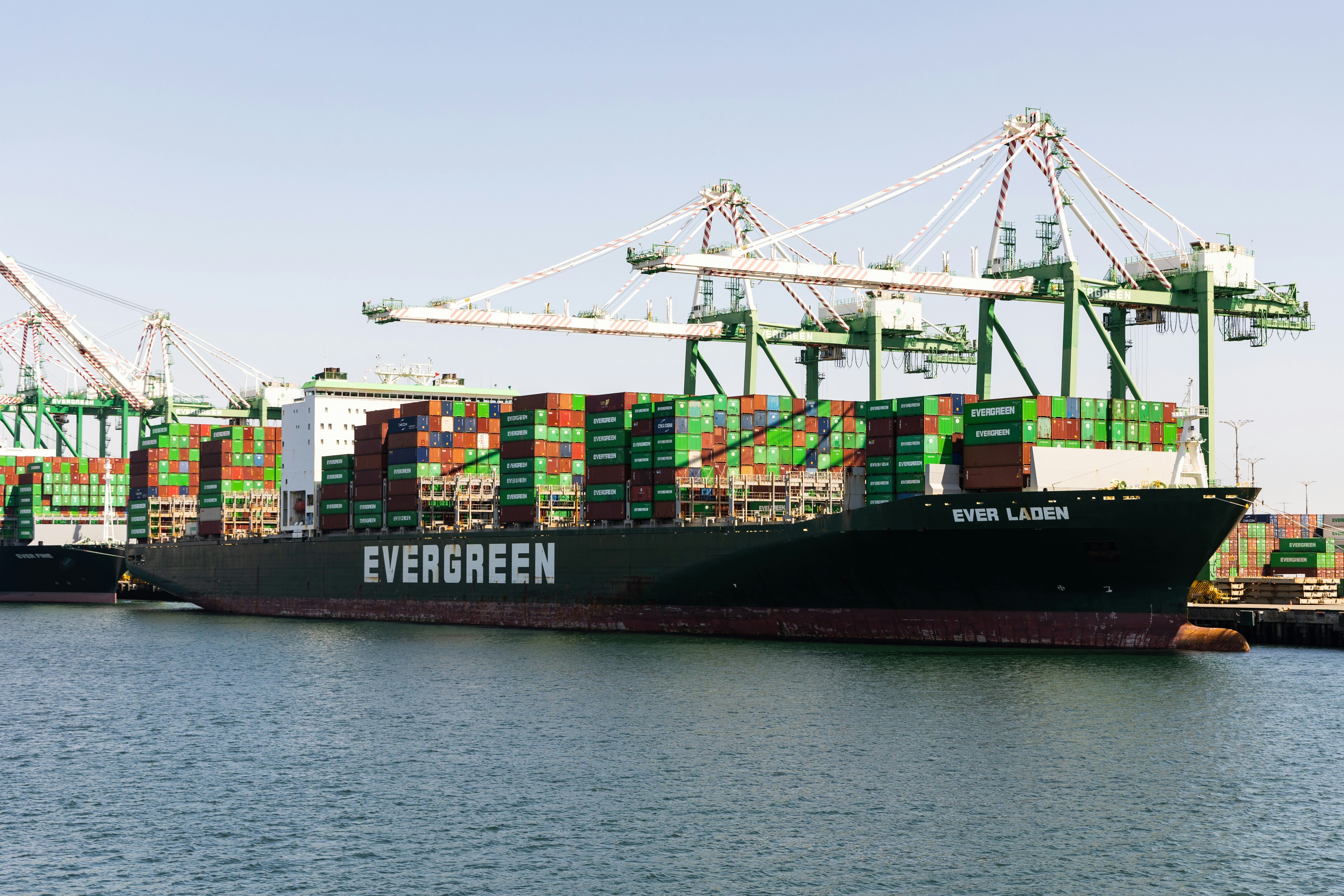
The United States has become the world's leading ethane exporter, supported by growing natural gas production and continued investments in export terminals and shipping infrastructure.
Several factors have contributed to record export volumes:
Increased shale gas production from major U.S. basins.
Expansion of ethane export terminal capacity.
Growing availability of Very Large Ethane Carriers (VLECs).
Competitive U.S. feedstock pricing.
Strong international demand from petrochemical manufacturers.
These developments have strengthened the U.S. position as the primary supplier of ethane to global markets.
Why China Remains the Largest Importer
China has been the main driver of global ethane demand due to its rapidly expanding petrochemical industry. Ethane is primarily used as a feedstock for steam crackers that produce ethylene, a key building block for plastics, packaging materials, synthetic fibers, and industrial chemicals.
Chinese imports have historically increased because of:
Expansion of ethylene production capacity.
Rising demand for polyethylene and other polymers.
Competitive economics compared to alternative feedstocks.
Long-term supply agreements with U.S. exporters.
However, recent market conditions suggest that demand growth is beginning to slow.
Why China's Demand Growth Is Cooling
Although China continues to import large volumes of ethane, the pace of growth has moderated due to several economic and industrial factors.
Key reasons include:
Slower manufacturing activity.
Weaker demand for downstream petrochemical products.
Increased domestic production of alternative feedstocks.
More cautious investment in new petrochemical projects.
Global economic uncertainty affecting export-driven industries.
While demand remains significant, procurement teams are preparing for a more balanced market rather than the rapid expansion seen in previous years.
Industries Most Affected
Changes in ethane supply and demand directly influence several downstream industries.
Petrochemical Manufacturing
Ethane is primarily cracked into ethylene, making petrochemical producers highly sensitive to changes in feedstock availability and pricing.
Plastics Production
Manufacturers of polyethylene, packaging materials, films, and consumer plastics closely monitor ethane market trends.
Chemical Manufacturing
Many industrial chemicals rely on ethylene as a key intermediate, linking production costs to ethane prices.
Logistics and Shipping
Growing export volumes continue to support investment in specialized ethane carriers and export infrastructure.
Procurement Strategies in the Current Market
As supply expands while demand growth moderates, procurement teams should focus on managing both pricing opportunities and market risks.
Recommended strategies include:
Monitor Supply-Demand Balance
Track export volumes, Chinese import activity, and petrochemical operating rates to anticipate market changes.
Diversify Feedstock Sources
Where possible, evaluate alternative feedstocks to reduce dependence on a single market.
Optimize Contract Structures
Maintain flexibility through a mix of long-term supply agreements and spot purchases.
Evaluate Total Landed Costs
Assess freight, insurance, terminal fees, and logistics costs alongside feedstock pricing.
Strengthen Market Intelligence
Use real-time supply chain and pricing data to make informed purchasing decisions.
Risks to Watch During H2
Several factors could influence the global ethane market during the second half of the year.
Procurement teams should monitor:
Chinese industrial recovery.
Global petrochemical operating rates.
U.S. shale gas production levels.
Shipping capacity and freight costs.
Energy price fluctuations.
Trade policy and geopolitical developments.
Changes in any of these areas could quickly alter market sentiment and pricing.
Building Resilient Procurement Strategies
As global ethane trade becomes increasingly interconnected, procurement decisions must extend beyond commodity prices. Companies that combine market intelligence with supply chain visibility can better respond to changing market conditions.
Organizations that invest in data-driven procurement can:
Improve sourcing decisions.
Reduce supply chain risk.
Strengthen supplier negotiations.
Better forecast procurement costs.
Enhance long-term supply security.
Conclusion
Record U.S. ethane exports demonstrate the strength of North American production and export infrastructure, but slower demand growth in China signals a shift toward a more balanced global market. While supply remains abundant, changing industrial conditions and economic uncertainty require procurement teams to remain vigilant.
Businesses that closely monitor export trends, Chinese demand, freight markets, and geopolitical developments will be better positioned to manage costs and secure reliable feedstock supplies. A flexible, intelligence-driven procurement strategy will remain essential as the global ethane market continues to evolve.

2-Ethyl Hexanol
Reference Link
https://www.eia.gov/todayinenergy/detail.php?id=66344
Found this useful?