
US Farmers Pay Double for Crop Protection Products vs Brazil, NCGA Data Reveals
Introduction
NCGA data shows U.S. farmers paid significantly more than Brazilian growers for many crop protection products between 2023 and 2025, revealing a stark disparity in input costs. This trend raises questions about the long‑term effects on grain production, the stability of food ingredient supply chains, and the strategic decisions that companies must make in procurement planning.
Understanding the Cost Gap
Price Drivers in the U.S. Market
Several factors contribute to the higher U.S. prices. 1) Regulatory compliance costs for pesticide registration and environmental safeguards are higher in the United States, leading to increased product development and testing expenses. 2) U.S. farmers often purchase premium formulations that offer broader spectrum coverage, which commands a higher price point. 3) Transportation and logistics within the large U.S. market add to the final cost per unit.
Brazilian Market Dynamics
Brazil’s cost structure differs markedly. Lower labor costs, a more lenient regulatory environment, and the abundance of local active ingredient production help keep prices lower. Additionally, Brazilian growers frequently rely on regional distributors that offer volume discounts, further reducing the per‑unit expense.
Implications for Grain Production Costs
Higher Input Costs: U.S. farmers face increased production costs, which can compress profit margins unless offset by higher yields or premium pricing.
Yield Stability: If premium products are essential for disease resistance, the cost premium may be justified. However, if cheaper alternatives exist, farmers might hesitate to invest.
Competitive Pressure: Global grain markets could see a shift as U.S. producers adjust prices to remain competitive against lower‑cost international competitors.
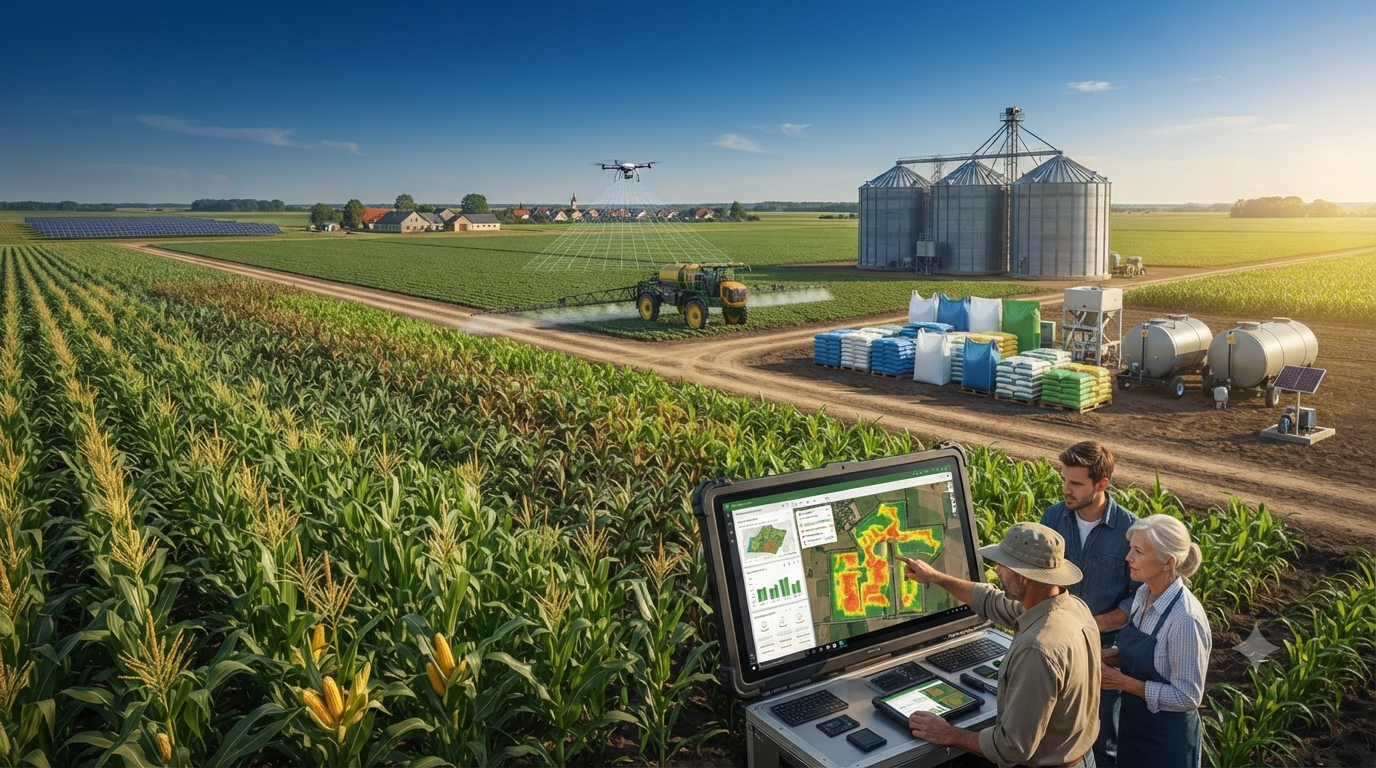
How Input Cost Differences Influence Global Competition
Production costs play an important role in determining the competitiveness of agricultural exporters. When one country's farmers consistently face higher costs for essential inputs such as crop protection products and seed technologies, their production economics may differ from competitors in other regions.
However, crop protection costs represent only one component of overall farm economics. Weather conditions, fertilizer prices, labour costs, land values, fuel expenses, exchange rates and government policies also influence the final cost of producing grain. Procurement professionals should therefore evaluate input costs alongside these broader market drivers rather than in isolation.
What Procurement Teams Should Monitor
Understanding agricultural input markets can provide valuable context for long-term sourcing decisions.
Key indicators include:
Crop protection product pricing in major producing countries.
Corn and soybean planting intentions.
Grain yield forecasts.
Fertilizer and fuel cost trends.
Export competitiveness among major grain-producing nations.
Government agricultural policy and regulatory developments.
Currency movements affecting international grain trade.
Monitoring these indicators helps procurement teams anticipate shifts in global supply and production economics.
Strengthening Grain Procurement Strategies
Food manufacturers relying on grain-derived ingredients can improve procurement resilience by monitoring upstream agricultural costs alongside commodity markets.
Recommended practices include:
Diversify sourcing across multiple producing regions where practical.
Maintain regular communication with grain and ingredient suppliers.
Monitor agricultural input costs in major exporting countries.
Track weather conditions and seasonal crop developments.
Include production cost trends in long-term procurement forecasting.
These measures provide a broader understanding of market conditions and help reduce exposure to unexpected supply disruptions or cost increases.
What Buyers Should Watch Next
The NCGA analysis highlights how differences in crop protection and seed costs can influence the economics of grain production across major agricultural exporters. Although higher farm input costs do not automatically translate into higher food ingredient prices, they are an important part of the broader cost structure that shapes global grain markets.
For procurement professionals, monitoring agricultural input trends alongside commodity prices, weather patterns, export activity and policy developments provides a more complete picture of future sourcing risks. Companies that combine farm-level intelligence with market analysis will be better positioned to anticipate changes in grain availability, ingredient costs and long-term supply chain competitiveness.

Corn Starch
Found this useful?