US Potash Risk: Why Canadian Tariff Exposure Still Worries Buyers Despite No Direct Restrictions
Canadian potash has been a reliable source of potassium for U.S. farmers, but the shadow of potential tariffs looms large. Even without formal restrictions, the uncertainty surrounding Canadian exports creates a risk environment that buyers must navigate.
Tariff Landscape
Historical Context
In 2018 the U.S. imposed a 25% tariff on Canadian potash to protect domestic producers, a move the Canadian government challenged in the World Trade Organization. The dispute was settled in 2021 with a negotiated reduction, but the precedent for tariff action remains.
Current Status
Today the U.S. Department of Commerce maintains a list of Canadian potash as a potential tariff‑eligible good. The designation means that, should trade policy shift, the product could face duties ranging from 5% to 25%. The mere possibility keeps procurement teams on alert.
Impact on Procurement
Buyers now factor a "tariff risk premium" into contract negotiations. This premium is reflected in higher per‑tonne prices or in the inclusion of clauses that allow price adjustments if duties are imposed. For large agricultural cooperatives, even a 5% duty can translate into millions of dollars.
Pricing Dynamics
Market analysts note that the threat of tariffs pushes Canadian potash prices above global averages, even when U.S. domestic production is capable of meeting demand. This price divergence creates a competitive pressure on U.S. suppliers to offer lower-cost alternatives, such as U.K. or Australian imports.
Supply Chain Resilience
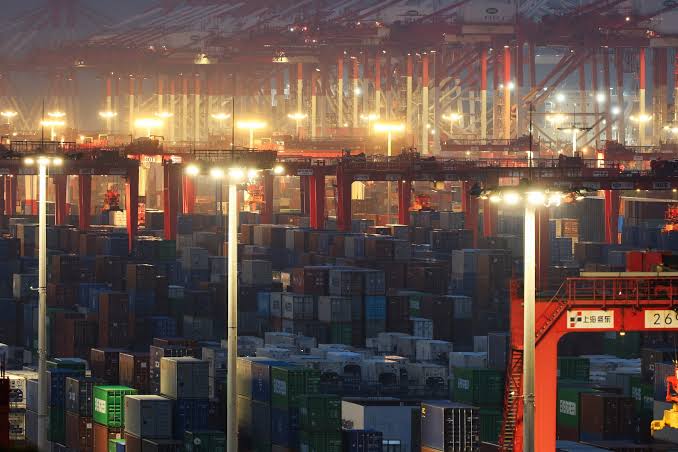
Logistics around Canadian potash involve rail transport to deepwater ports, ocean freight to U.S. terminals, and trucking to distribution hubs. A sudden tariff could trigger a re‑routing of shipments, increasing lead times and costs.
Logistics Challenges
Rail capacity constraints at key export hubs.
Limited ocean freight slots for bulk potash shipments.
Increased customs clearance time if duties are applied.
Alternative Sources
U.K. potash producers offer a tariff‑free alternative but face higher shipping costs.
Australian suppliers provide a reliable source but require longer transit times.
Domestic U.S. production is ramping up, yet capacity remains below market demand.
Strategic Responses
Companies are adopting layered strategies to mitigate risk. These include contractual hedging, diversified sourcing, and investment in domestic production.
Contractual Safeguards
Contracts now frequently include “tariff‑adjustment clauses” that cap price increases or trigger renegotiation if a duty is levied. Buyers also secure fixed‑price agreements to lock in costs before the risk of tariff changes escalates.
Diversification and Hedging
Some firms are purchasing potash forward contracts at current market rates, thereby locking in supply and price. Mine operators are_menu? Additionally, agricultural cooperatives are pooling resources to negotiate better terms with multiple suppliers, reducing exposure to any single source.
Potassium Dichromate
Found this useful?