US Policy Shifts Toward Reduced Reliance on Conventional Crop Protection | ChemicalsBlog.com
Country Watch
schedule3 Min Read
US Regulatory Direction Shifts Toward Reducing Chemical Crop Protection Reliance
terminal
prodchem
Jul 23, 2026
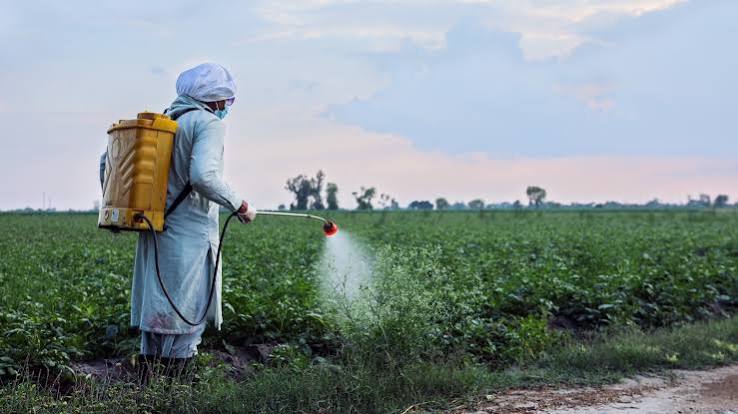
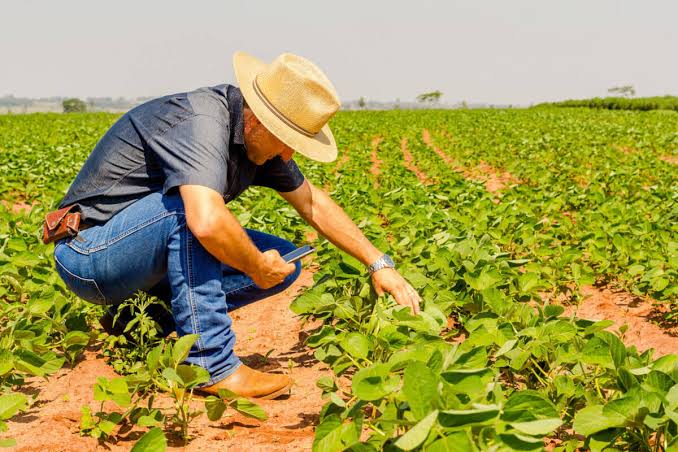
A June 25 Executive Order issued by the Trump administration signals a shift in US agricultural policy by directing multiple federal agencies to prioritize research, innovation, and regulatory pathways that reduce reliance on conventional chemical crop protection products. Rather than eliminating traditional pesticides, herbicides, and fungicides, the policy encourages the development and registration of alternative technologies, including biological crop protection, precision agriculture, and integrated pest management (IPM).
For agrochemical manufacturers, distributors, and procurement professionals, this evolving regulatory direction could reshape future demand for crop protection products while creating new opportunities for biological inputs, specialty formulations, and sustainable agricultural technologies.
Why the Policy Shift Matters
The executive order reflects growing interest in improving agricultural productivity while reducing dependence on conventional chemical inputs.
While conventional crop protection products will continue to play an important role, investment in alternative technologies is expected to accelerate.
As crop protection technologies evolve, products such as Glyphosate, Glufosinate Ammonium, Acetic Acid, Hydrogen Peroxide, Caustic Soda, and agrochemical formulation ingredients including surfactants continue to play important roles in agricultural production. At the same time, increasing investment in biological crop protection is expected to complement conventional chemical solutions rather than replace them entirely.
The evolving regulatory landscape may contribute to:
Increased investment in biological crop protection
Faster approval pathways for innovative agricultural technologies
Greater adoption of integrated pest management (IPM)
Higher demand for sustainable agricultural solutions
Continued innovation in specialty agrochemical formulations
Diversification of crop protection portfolios
Chemical companies investing in both conventional and biological solutions may be better positioned to adapt to changing market requirements.
Procurement Considerations
Procurement teams should prepare for evolving market dynamics by:
Monitoring regulatory developments
Diversifying crop protection supplier portfolios
Evaluating biological and conventional product options
Securing relationships with innovation-focused manufacturers
Tracking registration timelines for new technologies
Reviewing long-term sourcing strategies
Maintaining a balanced procurement approach can help organizations adapt to changing regulations while ensuring reliable product availability.
Looking Ahead
The executive order highlights a broader trend toward innovation in agricultural production rather than an immediate replacement of conventional crop protection products. Biological solutions, precision farming technologies, and integrated pest management are expected to complement existing chemical products, creating a more diversified crop protection market.
For procurement professionals, staying informed about regulatory changes and expanding supplier networks will be essential for managing future sourcing requirements and supporting sustainable agricultural production.
Key Takeaways
The US is prioritizing research and regulatory pathways that reduce reliance on conventional crop protection chemicals.
Biological crop protection and integrated pest management are expected to receive increased attention.
Conventional agrochemicals will remain important while alternative technologies expand.
Procurement teams should diversify sourcing strategies and monitor regulatory developments.
Innovation is expected to reshape the future crop protection market.