
VCI Half‑Year Review Highlights Struggles for European Coatings Producers
Overview of the VCI Q2 2026 Review
The latest VCI half‑year snapshot offers the most detailed look at how European chemical producers have fared amid the peak of the Hormuz disruption. Data points on production volumes, energy spend, export performance, and capacity utilisation are now being read as a barometer of supplier health for coatings procurement teams across the continent.
Raw Material Vulnerabilities: Naphtha‑Derived Feedstocks
Coatings raw materials derived from naphtha have emerged as the most fragile link in the supply chain. Elevated feedstock costs have eroded margins on resins, solvents, additives, and pigments. European producers are now competing against lower‑priced US and Asian alternatives, which can supply identical grades at a fraction of the cost.
Key Cost Drivers
Higher crude oil prices due to geopolitical tensions in the Middle East.
Limited refinery capacity in Europe to process naphtha into specialty chemicals.
Increased freight and logistics charges as shipping routes shift.
Energy Cost Impact on Margins
Energy costs continue to squeeze profit margins across the entire coatings supply chain. Heating for polymerisation, compression for solvent evaporation, and power for pigment grinding all see higher operating expenses. The VCI data shows a 12% rise in average energy spend across the sector in Q2 2026.
Mitigation Strategies
Investment in energy‑efficient plant designs.
Strategic hedging of electricity and natural gas prices.
Shift to renewable energy sources where feasible.
Production & Capacity Trends

European plant closures have totaled 37 million tonnes since 2022, a figure that the VCI report now highlights as a red flag for structural rationalisation. Capacity utilisation rates have fallen from an average of 78% to 63% in many key markets. This trend underscores a growing mismatch between production capability and demand.
Regional Variations
Western Europe sees a 10% decline in resin output.
Central Europe maintains near‑capacity but faces export bottlenecks.
Eastern Europe’s capacity utilisation remains stable but is constrained by older technology.
Export Performance: A Measure of Competitiveness
Export data in the VCI report shows a 5% decline in European specialty coatings shipped abroad in Q2 2026. The reduction is largely driven by the loss of market share to cheaper Asian suppliers and limited shipping capacity. For procurement teams, this metric signals potential supply disruptions and pricing volatility.
Supplier Financial Resilience: A New Procurement Metric
Financial resilience has become a core procurement metric alongside pricing and technical specification. The VCI chemical data now includes debt ratios, cash‑flow stability, and capital‑expenditure plans for each supplier. High debt service costs can limit a company's ability to invest in technology upgrades or absorb raw‑material price spikes.
Assessing Supplier Health
Review the current ratio and quick ratio to gauge liquidity.
Check debt‑to‑equity to understand leverage risks.
Analyse cash‑flow statements for operating cash‑generation capacity.
Implications for Coatings Procurement Teams
With the VCI half‑year review providing a real‑time snapshot of market dynamics, procurement professionals can make more informed sourcing decisions. Key actions include:
Re‑evaluate supplier portfolios to prioritise those with strong financials.
Negotiate long‑term contracts that include price‑adjustment clauses tied to feedstock costs.
Explore alternative raw‑material sources, such as bio‑based feedstocks, to mitigate naphtha exposure.
Invest in supplier collaboration programmes to share risk and improve forecasting accuracy.
Outlook for 2026: Structural Rationalisation and Market Consolidation
Looking ahead, the VCI data suggests that structural rationalisation will accelerate across Europe. Companies that can streamline operations, invest in energy‑efficient technologies, and secure stable raw‑material supplies will likely emerge as leaders in the specialty coatings market. Those unable to adapt risk losing market share to more agile competitors.
The VCI Q2 2026 half‑year review delivers a comprehensive view of the challenges facing European coatings producers. Rising raw material costs, soaring energy spend, and declining export performance paint a picture of a sector under pressure. Procurement teams must now use this data not only to assess pricing and technical fit but also to evaluate supplier resilience and capacity to navigate an uncertain future.
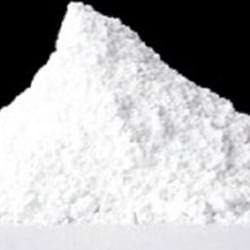
Titanium Dioxide
Found this useful?