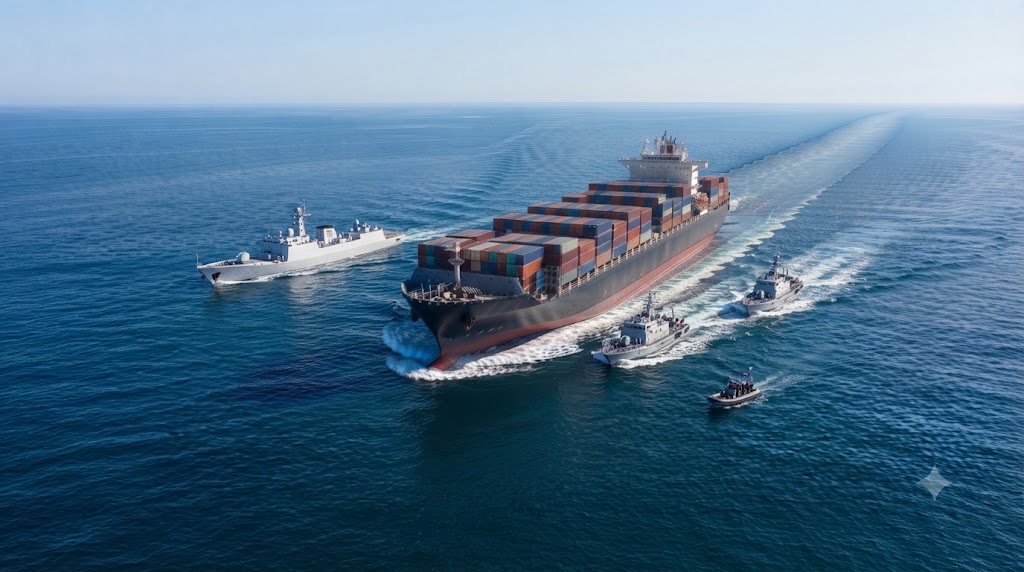
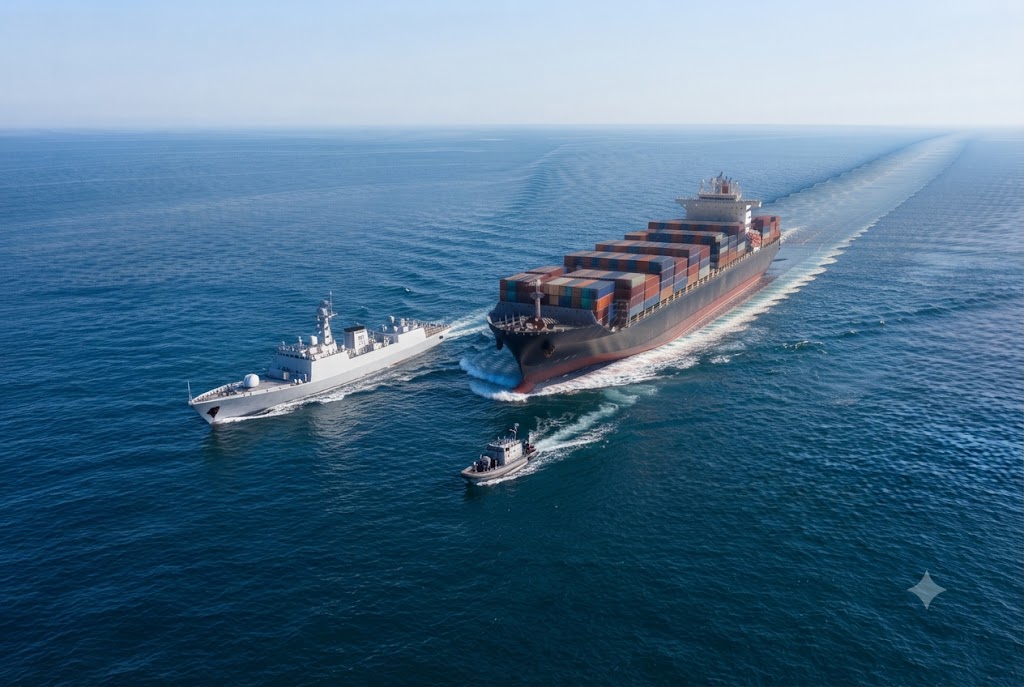
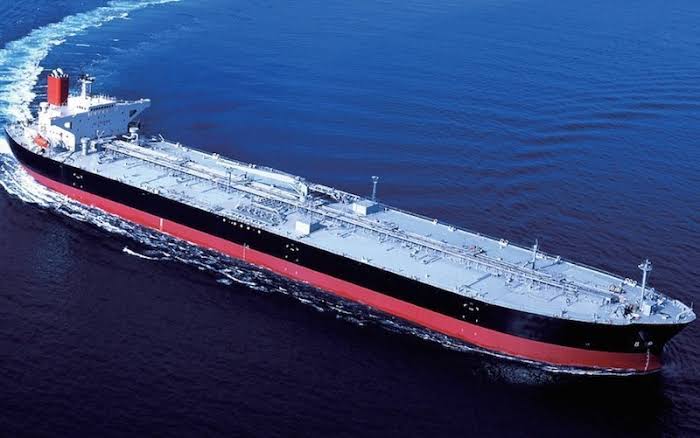
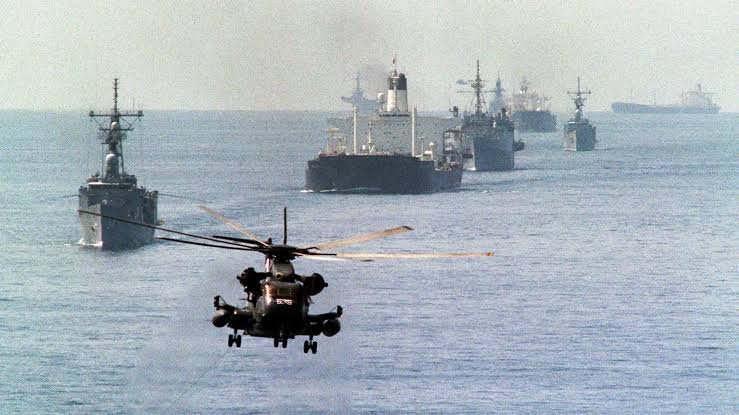
Iran's naval forces intercepted four commercial vessels over the weekend, providing critical intelligence on its evolving enforcement posture in the Strait of Hormuz. This coordinated action signals a significant escalation in maritime security protocols that directly impacts chemical supply chains. Procurement managers must recognize these detentions as early warnings of potential disruptions to Gulf-sourced chemical exports. The pattern of interceptions reveals deliberate targeting of specific cargo types and routing behaviors. Chemical traders cannot afford to treat these incidents as isolated events. Understanding this new enforcement reality is essential for maintaining operational continuity.
Decoding the Naval Enforcement Pattern
The four weekend detentions follow a distinct operational pattern. Intelligence reports indicate all intercepted vessels were transiting without active transponders or had deviated from standard shipping lanes. This suggests Iran's forces are now prioritizing vessels exhibiting "dark fleet" characteristics.
The timing of these operations—during weekend hours—reveals strategic intent. Naval units appear to be conducting operations when commercial monitoring systems operate at reduced capacity. This tactical timing maximizes their operational advantage while minimizing detection risk.
Chemical buyers must recognize that legitimate shipments face collateral risk when operating near these enforcement zones. Even vessels with proper documentation may experience delays due to heightened security protocols. The enforcement posture has shifted from reactive to proactive interdiction.
Direct Impact on Chemical Supply Chain Reliability
Vessel interceptions immediately disrupt the flow of critical petrochemical feedstocks. Each detention creates a ripple effect through the entire chemical value chain. Polyethylene and polypropylene producers in the Gulf region face immediate production adjustments when shipments are delayed.
Buyers relying on just-in-time inventory systems experience the most severe operational impacts. A single delayed vessel can halt manufacturing operations for days. The psychological impact of these detentions also distorts market pricing. Traders price in the risk of additional detentions before physical shortages materialize.
This creates a persistent gap between actual supply and market valuation. Chemical manufacturers must now factor in extended transit times and potential cargo diversions. The reliability of Gulf-sourced chemicals has fundamentally changed in this new enforcement environment.
Risk Assessment for Current Shipments
Procurement teams must implement immediate risk assessment protocols for all active shipments. The enforcement posture requires continuous monitoring of vessel status and routing behavior. Key risk indicators include transponder gaps, route deviations, and unexpected port calls.
Vessels operating without continuous AIS transmission face significantly higher interception risk. Buyers should verify transponder functionality for all contracted shipments. Insurance coverage may be voided for vessels exhibiting dark fleet characteristics.
Demand real-time vessel tracking data from logistics partners. This visibility allows procurement teams to anticipate delays and activate contingency plans proactively. The cost of enhanced monitoring is far lower than the financial impact of a seized shipment.
Insurance and Liability Implications
Marine insurance underwriters are rapidly adjusting coverage terms in response to these interceptions. Traditional war risk policies now include stricter verification requirements for vessel transponder operation. Policies may explicitly exclude coverage for vessels with transponder gaps exceeding 12 hours.
This creates significant liability exposure for chemical buyers. A shipment on a vessel that experiences transponder issues during transit may become completely uninsured. The financial impact of total cargo loss can devastate quarterly margins.
Procurement teams must verify insurance coverage details before shipment. Request certificates naming your company as loss payee. Confirm the policy covers war risk and includes no exclusions for transponder compliance. Legal counsel should review all coverage documents to ensure adequate protection.
Strategic Adjustments for Procurement Teams
Chemical buyers must adapt their sourcing strategies to mitigate exposure to naval enforcement risks. Proactive diversification is the most effective defense against these operational disruptions.
Diversify supplier geography. Qualify alternative sources in North America or Europe. This reduces exposure to a single maritime chokepoint and provides backup options during regional crises.
Renegotiate Incoterms. Shift from FOB to CIF terms where possible. This transfers the transponder compliance risk to the supplier during the most vulnerable transit phases.
Build strategic inventory buffers. Holding additional safety stock protects against sudden delivery delays. The carrying cost of extra inventory is often far lower than the cost of a production halt.
Implement flexible contract structures. Use hybrid pricing models that share enforcement risk transparently. This prevents sudden financial shocks when geopolitical events trigger price spikes.
Enhance supply chain visibility. Utilize advanced tracking technologies to monitor vessel locations in real time. Set up alerts for any transponder gaps or route deviations.
What Buyers Should Do Now
The four weekend detentions mark a dangerous escalation in maritime enforcement. Chemical traders must treat vessel security as a core business priority. Audit your current supply chain for single-point exposure immediately. Verify transponder protocols and insurance coverage for all active shipments.
Engage suppliers in transparent discussions about their specific contingency plans. Building resilient sourcing networks requires decisive action before the next interception occurs. The organizations that secure alternative supply routes now will maintain production continuity. Others will face severe operational and financial consequences.
Ready to source Polyethylene Terephthalate (PET) from verified global suppliers? Explore competitive offers on our platform today.