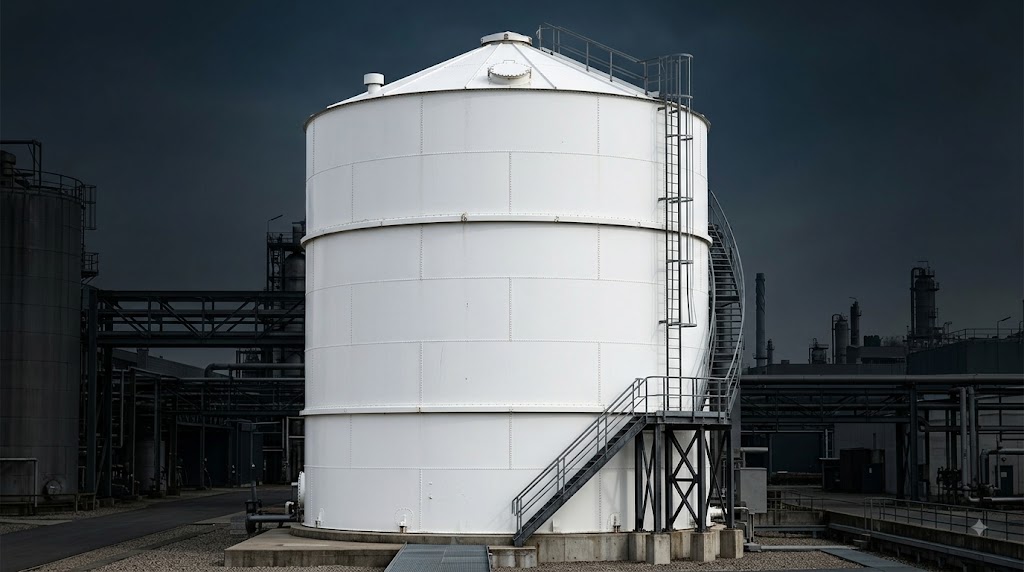
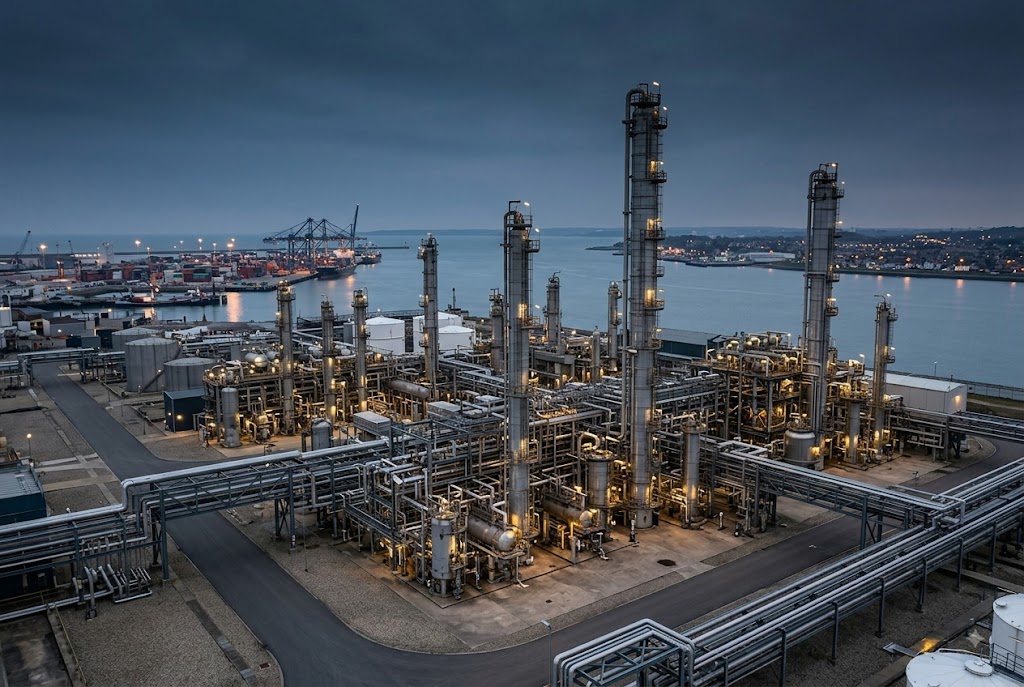
A distressed German PVC plant just found a buyer, and the deal terms matter more than the headline. Westlake Corporation and its subsidiary Westlake Vinnolit signed a non-binding letter of intent with the preliminary insolvency administrator of Vynova Wilhelmshaven to acquire the site's polyvinyl chloride and vinyl chloride monomer production assets. For buyers already sourcing PVC resin from this facility, the most important detail sits in the fine print: operations and supply are set to continue unchanged through the transition period.
That single clause is doing a lot of work. It is a standard provision in distressed-asset deals, but it carries real weight for anyone with contracts tied to this plant.
Why This Plant Ended Up in Insolvency
Vynova Wilhelmshaven entered preliminary insolvency proceedings in late 2025, part of a broader wave of restructuring across the Vynova Group's European footprint. The site produces both PVC resin and its feedstock, vinyl chloride monomer, at meaningful scale.
European PVC producers have faced a difficult few years. Weak construction demand, high energy costs and competitive imports have squeezed margins across the region, and Wilhelmshaven was not immune.
Insolvency does not automatically mean a plant stops running.
A preliminary administrator's job is often to keep operations stable while a buyer is found.
That is exactly the path this site has followed so far.
The Westlake Letter of Intent
The letter of intent is non-binding. It signals serious interest and sets a framework for negotiation, but it is not a completed sale. Several conditions still need to fall into place before the deal closes.
Buyers should understand what a letter of intent actually commits both sides to at this stage:
Definitive agreements still need to be negotiated and signed.
Regulatory approvals are required before the transaction can proceed.
Formal insolvency proceedings need to open, since the current process is preliminary.
Creditor committee sign-off is a further gate before completion.
None of these are guaranteed formalities. Each one is a point where the deal could slow down, get renegotiated or in a worst case scenario fall apart entirely.
Operations and Supply Staying Unchanged
The provision that matters most to procurement teams is straightforward. The letter of intent specifies that operations and supply will remain unchanged during the transition period.
This is a fairly common feature of distressed-asset deals for good reason. A buyer taking on an insolvent site wants the customer base intact when the sale closes, not a plant that has already lost its book of business to competitors. Keeping supply steady during the interim protects value for everyone involved, the seller, the buyer and the customers.
For a buyer sourcing PVC resin or VCM from Wilhelmshaven, this means existing supply agreements should keep running on their current terms while the deal works through its remaining conditions. It does not mean the outcome is locked in until final signatures are in place.
What Procurement Teams Should Watch
A letter of intent this early in the process still leaves room for change. Procurement teams with exposure to this site, directly or through a distributor, have a few practical things to track.
Confirm with suppliers whether contracts reference the current legal entity or anticipate a change of ownership.
Ask for a timeline on when the definitive agreement and regulatory approvals are expected to close.
Watch for any signal from the creditors' committee, since its approval is one of the harder conditions to predict.
Keep a secondary supplier identified in case the transition period brings any disruption despite the stated intent.
None of this requires panic. It requires the kind of ordinary contingency planning that any procurement team should already be doing when a supplier is going through insolvency.
The Bigger Picture for European PVC Supply
This deal is part of a wider reshaping of PVC and VCM capacity across Europe as producers work through overcapacity and cost pressure. A US producer acquiring a European insolvent asset is one way that consolidation plays out, and it is unlikely to be the last such move this year.
For buyers, the practical takeaway is less about the corporate ownership and more about continuity of supply. As long as operations and shipments continue as specified, day to day sourcing should not be disrupted by the change in ownership working its way through the background.
What Buyers Should Do Now
The Wilhelmshaven situation is a useful reminder that insolvency and supply disruption are not the same thing. A well managed transition, backed by a clear continuity provision, can keep material flowing even as ownership changes hands.
Buyers with exposure to this site should stay in direct contact with their supplier, track the deal's progress through its remaining conditions and keep contingency options ready without assuming the worst. Ready to source PVC resin from verified global suppliers? Explore competitive offers on our platform today.