War-Risk Premiums at 10% of Hull Value Reshape Petrochemical Tanker Economics
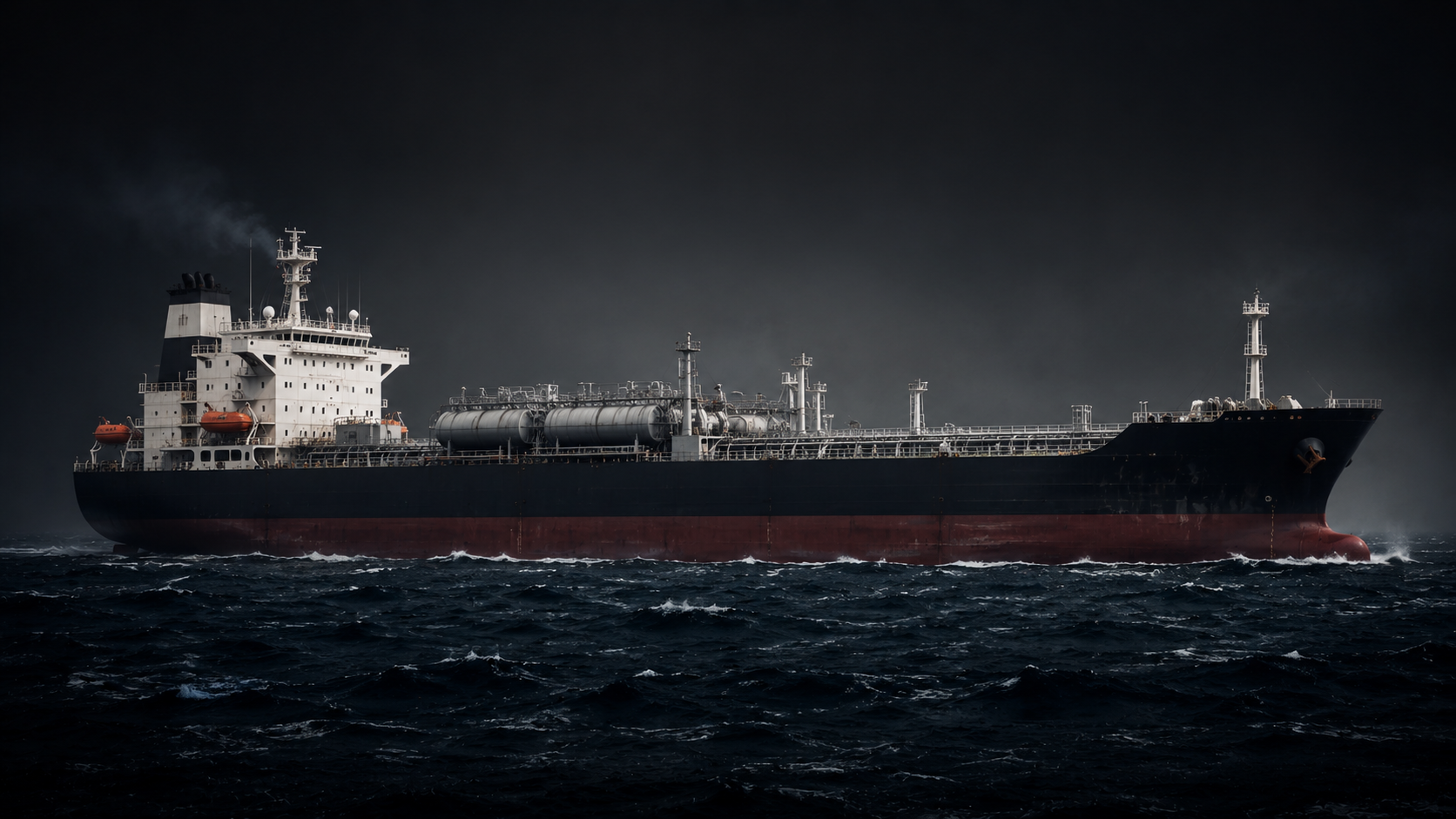
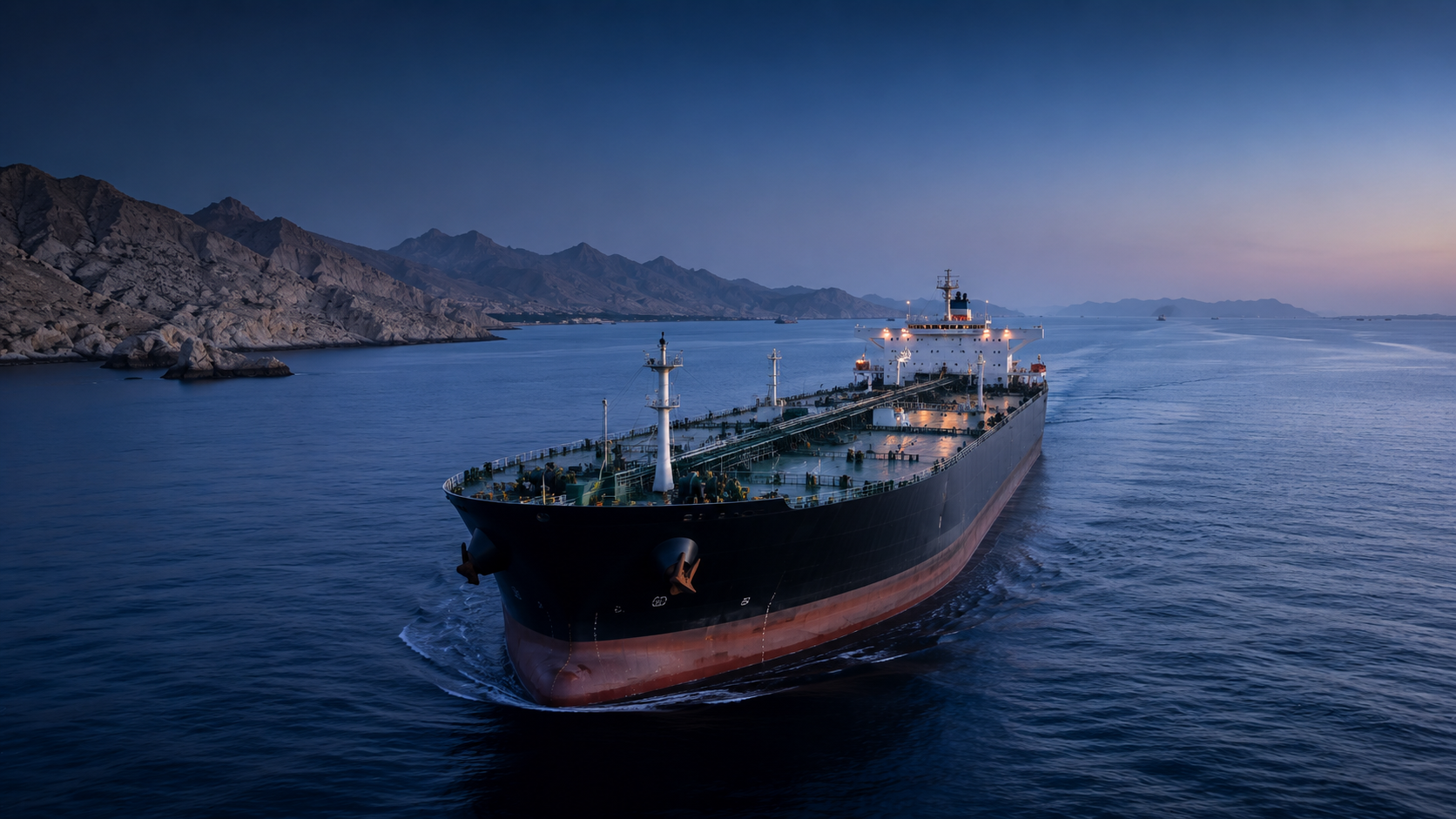
A war-risk premium equivalent to as much as 10% of a tanker’s hull value can transform the economics of a single voyage through the Strait of Hormuz. For petrochemical traders, the impact extends beyond insurance because higher voyage costs feed directly into freight rates, cargo valuations and the final landed cost of products moving through one of the world’s most important energy corridors.
This shift places war-risk insurance at the centre of petrochemical procurement decisions. Buyers sourcing products such as ethylene glycol, propylene derivatives, aromatics and other bulk chemicals now face a market where vessel economics can change rapidly depending on route exposure, cargo timing and the perceived risk of transit.
Why 10% Hull-Value Premiums Matter to Petrochemical Trade
The scale of the premium creates a direct connection between geopolitical risk and the cost of moving physical chemicals. When insurers calculate coverage against the value of the vessel, even a modest change in the premium percentage can add a substantial amount to voyage expenses.
A tanker valued at tens or hundreds of millions of dollars can generate a significant insurance bill when the premium reaches 10% of hull value. Operators then need to recover that expense through freight rates, voyage calculations or higher cargo pricing.
For procurement teams, this can create several immediate effects:
Higher delivered costs: Buyers may face a larger gap between the origin price and the final cost at destination, particularly for cargoes that depend on maritime routes through high-risk areas.
More volatile freight negotiations: Shipping costs can change quickly as insurers, shipowners and charterers reassess exposure to the route.
Greater pressure on shipment timing: A buyer may prefer to move cargo before premiums rise further, while a seller may delay loading until freight economics become more predictable.
More complex sourcing decisions: Alternative suppliers may become commercially attractive even when their product price appears higher at the origin.
The result is a market where insurance is no longer a secondary line in the voyage calculation. It can become one of the most influential cost components.
Hormuz Transit Risk Changes the Tanker Cost Structure
The Strait of Hormuz connects major Gulf production centres with international markets, making it a critical passage for energy and petrochemical trade. Any increase in the cost or perceived risk of using the route can affect a wide range of cargo flows.
Petrochemical tankers face several layers of exposure when operating in a high-risk environment. These can include war-risk insurance, additional security requirements, route planning constraints and the possibility of delays or diversions.
Each layer can affect the voyage economics.
A tanker operator must consider whether the freight revenue from a voyage adequately compensates for the additional insurance and operational risk. If the answer changes, shipowners may seek higher freight rates or become more selective about accepting certain voyages.
That pressure eventually reaches cargo buyers.
For traders, the key issue involves the relationship between origin economics and delivered economics. A product may remain competitively priced at the production site, yet become less attractive once insurance and freight costs rise sharply.
Petrochemical Landed Costs Face a New Risk Premium
Landed cost calculations traditionally focus on the product price, freight, insurance and other logistics expenses. War-risk conditions can now introduce a much larger variable into that equation.
The effect becomes particularly important for commodities with relatively low margins or strong competition between multiple origins. A sudden increase in maritime costs can eliminate the price advantage of a supplier that previously offered the most attractive deal.
Buyers may therefore need to compare:
The product price at origin
The normal freight component
War-risk insurance exposure
Potential route-related surcharges
Port and terminal costs
Financing and inventory costs caused by delays
The availability of alternative origins
The lowest FOB price does not always produce the lowest delivered cost. A higher-priced cargo from a lower-risk origin may ultimately provide better economics than a cheaper cargo exposed to substantial transit premiums.
This creates a stronger need for procurement teams to evaluate the full supply chain rather than focusing only on the chemical price quoted by the supplier.
How Shipowners and Charterers May Respond
Higher war-risk premiums can change the behaviour of both vessel owners and charterers. Shipowners must determine whether the additional insurance cost can be recovered through freight rates while still maintaining commercially viable vessel utilisation.
Charterers, meanwhile, must evaluate whether a particular voyage remains economical after all additional costs are included.
Several responses may become more common:
Higher freight demands: Owners may seek additional compensation for voyages exposed to elevated insurance costs.
Shorter-term commitments: Charterers may hesitate to lock in long-duration arrangements when route risk remains uncertain.
Alternative routing discussions: In some cases, operators may assess whether a longer route offers a better risk-adjusted economic outcome.
Cargo consolidation: Traders may look for larger or better-timed shipments to spread fixed logistics costs across more cargo.
Greater use of flexible sourcing: Buyers may diversify supplier origins to reduce dependence on a single maritime corridor.
The economics depend heavily on the cargo type, vessel size, destination and the duration of the risk exposure. However, the underlying principle remains consistent: a higher insurance bill must eventually be absorbed somewhere in the supply chain.
Which Petrochemical Buyers Face the Greatest Exposure?
Not every buyer faces the same impact from higher war-risk costs. Exposure depends on how much of the supply chain relies on the affected route and how easily the buyer can switch to another supplier.
Importers with limited supplier diversity may experience the strongest pressure. If their production process depends on a specific grade or origin, replacing the cargo may prove difficult even when freight costs increase.
Large industrial consumers may have more options because they can negotiate long-term supply contracts, secure alternative origins or manage larger inventories. Smaller buyers, however, may feel price increases more quickly because they typically purchase smaller volumes and have less negotiating power with shipping providers.
The highest exposure generally occurs when a buyer combines:
Heavy dependence on a single supply corridor
Limited access to alternative suppliers
Low inventory flexibility
High sensitivity to delivered prices
Short production planning cycles
For these buyers, the insurance market can become a direct procurement concern rather than a shipping issue handled separately by logistics teams.
Regional Sourcing Becomes More Important for Global Chemical Traders
The current environment strengthens the case for geographically diversified sourcing. Traders that can compare supply from multiple production regions may have a significant advantage when a particular route becomes more expensive.
A buyer may compare a Gulf-origin cargo with material from Asia, Europe or other production centres. The comparison must account for product quality, availability, transit time and the complete delivered cost.
This does not mean that alternative origins will always be cheaper. Longer routes can introduce their own freight and operational costs.
However, the ability to compare alternatives creates negotiating leverage. Buyers can use competing supply options to assess whether a premium caused by route exposure remains commercially justified.
For chemical traders, this also creates opportunities to identify arbitrage gaps. A cargo that appears expensive at origin may become competitive if its transportation route carries lower insurance exposure.
What Procurement Teams Should Include in New Contracts
War-risk conditions highlight the importance of clearly defined commercial terms. Buyers and sellers need to understand who carries additional costs when insurance premiums change after a deal has been agreed.
Contract discussions may need to address:
Responsibility for additional war-risk insurance premiums
Treatment of unexpected surcharges
The point at which a route becomes commercially impractical
Rights to delay, reroute or cancel a shipment
Procedures for handling major changes in insurance availability
Documentation requirements for additional logistics costs
The exact commercial structure depends on the contract and trade terms. However, procurement teams should avoid treating exceptional insurance costs as an issue that can be resolved informally after a shipment has already been fixed.
Clear allocation of risk can prevent disputes when freight economics change suddenly.
The Broader Impact on Petrochemical Market Pricing
Higher tanker costs can affect more than individual cargoes. If elevated insurance premiums persist, they can influence regional price relationships and trade flows.
Import-dependent markets may face higher replacement costs as buyers compete for cargoes that avoid the most expensive routes. Exporters may also need to adjust offers to reflect increased transportation expenses.
This can produce several market effects:
Greater price differences between regional markets
Increased interest in nearby suppliers
Higher value for flexible logistics arrangements
More frequent changes in trade flows
Greater volatility in delivered chemical prices
The impact may become particularly visible in markets where supply and demand remain closely balanced. When buyers have little spare supply available, even a relatively small logistics increase can have an outsized effect on the final price.
Market Outlook: Risk Management Becomes a Core Trading Skill
The 10% hull-value war-risk premium demonstrates how quickly geopolitical developments can alter the economics of bulk chemical transportation. The issue affects insurance, freight, vessel availability and sourcing strategy at the same time.
For the remainder of 2026 and into 2027, chemical buyers and traders are likely to place greater emphasis on route flexibility and supply-chain resilience. Procurement teams that rely on a single origin or a single shipping corridor may face greater exposure to sudden cost changes.
The most effective approach involves continuous comparison of:
Supplier origin economics
Current freight conditions
Insurance exposure
Vessel availability
Inventory requirements
Alternative sourcing options
The market will continue to reward companies that can respond quickly when the economics of a route change.
What Buyers Should Do Now
Petrochemical procurement teams should treat war-risk premiums as a variable that can materially change the commercial value of a cargo. A product quote should therefore be evaluated alongside the cost and risk of transporting that material to the final destination.
Buyers can strengthen their position by maintaining multiple supplier relationships, requesting transparent freight assumptions and reviewing contract clauses that address unexpected insurance costs. They should also compare alternative origins before a disruption forces them to act under pressure.
For traders, the opportunity lies in identifying where the market has not yet fully adjusted. A shipment with a higher origin price may offer a better landed-cost outcome if it avoids extreme route exposure, while a traditionally low-cost origin may lose its advantage when insurance premiums rise sharply.
The central lesson for the petrochemical supply chain is clear: maritime risk now has the power to reshape chemical trade economics from the vessel level to the final buyer. Ready to source War-Risk from verified global suppliers? Explore competitive offers on our platform today.

Styrene Monomer
Found this useful?