War‑Risk Insurance Costs Add a New Layer to Bulk Food Ingredient Shipping
The Rising Cost of War‑Risk Insurance
Vessels crossing the Strait of Hormuz, a critical chokepoint for global trade, are now subject to insurance premiums that have surged by more than 25% over the past year. Shipping companies report that the premium increase is a direct response to heightened geopolitical tensions and the perceived risk of maritime attacks. As a result, the cost per barrel or cubic meter of freight has risen, leading to a ripple effect throughout the bulk commodity market.
Implications for Grain Supply Chains
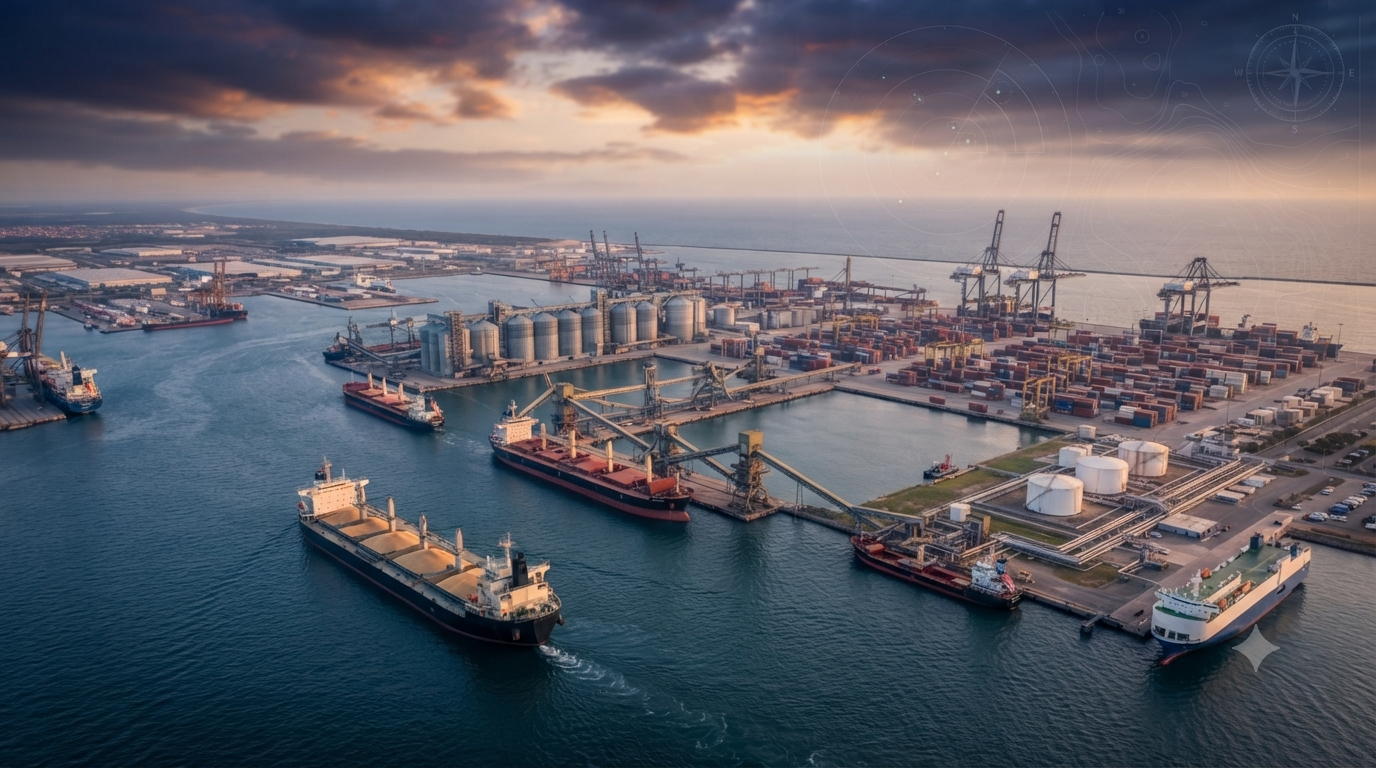
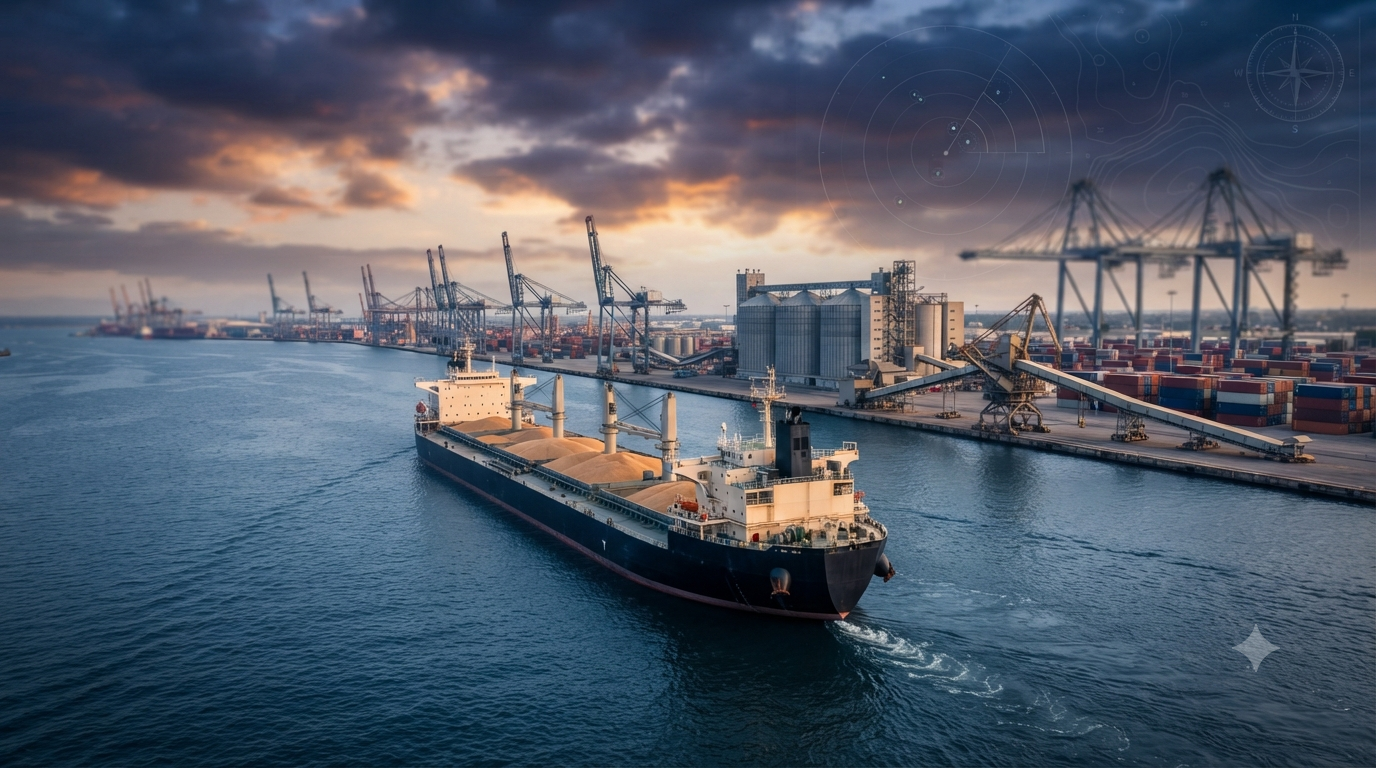
Grain exporters, particularly from the United States and South America, rely heavily on the Hormuz corridor to reach markets in the Middle East and Asia. The additional insurance cost translates into higher freight fees, which many traders now pass on to buyers. This can cause a shift in trade patterns: ships may detour through the Cape of Good Hope or the Suez Canal to avoid the high‑risk zone, albeit at the expense of longer transit times.
Potential Consequences
Price Volatility: Increased freight costs can widen the spread between spot and forward grain prices, creating uncertainty for hedgers.
Supply Chain Disruption: Delays from alternative routes may lead to storage cost increases for producers and importers.
Competitive Pressures: Countries with lower shipping costs may gain a market advantage, shifting trade balances.
Edible Oil and Food Ingredient Shipping
Edible oils—such as soybean, canola, and palm—are transported in bulk tanks that also traverse the Hormuz passage. The uptick in war‑risk insurance premiums has a similar impact on edible oil pricing, as seen in recent cargo manifests that show a 12% freight surcharge. For food ingredient manufacturers, particularly those sourcing specialty oils, this addsícias to the cost of goods sold.
Strategic Responses
Route Diversification: Companies are exploring alternate maritime corridors, including the East Atlantic route to Europe.
Contractual Hedging: Long‑term shipping contracts that lock in rates could mitigate cost spikes.
Inventory Management: Building buffer stocks at regional warehouses reduces exposure to sudden freight hikes.
Broader Economic and Market Effects
Beyond commodity prices, the surge in war‑risk insurance premiums is influencing several macroeconomic indicators:
Trade Balance: Countries whose exports depend heavily on the Hormuz route may experience a decline in export revenue.
Inflationary Pressures: Higher shipping costs trickle down to consumer prices, especially for food products that rely on imported ingredients.
Investment in Infrastructure: There is renewed interest in developing alternative shipping hubs and improving port capacities to accommodate detours.
Looking Ahead: Trends and Forecasts
Industry analysts predict that the war‑risk premium may continue to rise until geopolitical conditions stabilize. However, they also note that technological advancements, such as LNG‑powered vessels and improved navigation systems, could lower operational risks and gradually reduce insurance rates. In the meantime, companies in the grain, edible oil, and food ingredient sectors must remain agile, continually assessing route options, negotiating freight terms, and optimizing inventory levels to navigate this new layer of shipping cost uncertainty.

Activated Carbon (Powder) - China
Found this useful?