
Water-Soluble UV Filter Patents Signal Continued Sun Care Formulation Innovation
Sun care formulation is moving beyond simply selecting an effective UV absorber or filter. The latest patent activity around water-soluble UV filters shows how ingredient stabilization, formulation compatibility and delivery performance are becoming increasingly important for personal care manufacturers.
Shinsung Materials' newly patented water-soluble UV filter stabilization technology adds another signal to this trend. For ingredient buyers, formulators and chemical traders, the development highlights a broader shift toward specialty ingredients that can address technical challenges while supporting more sophisticated sun care products.
The significance extends beyond one patent. Continued innovation in UV filter systems points to rising demand for ingredients that work reliably within complex formulations, particularly where solubility and stability can determine the final product's performance.
Why Water-Soluble UV Filters Matter in Modern Sun Care
UV filters play a central role in products designed to protect skin from ultraviolet radiation. Yet formulators must balance protection with texture, appearance, stability and compatibility with other ingredients.
Traditional approaches can create formulation challenges when a filter has limited solubility in the intended product system. Water-soluble technologies can offer formulators another pathway for incorporating UV protection into products where aqueous compatibility matters.
This creates opportunities across several product categories, including:
Sunscreens and facial protection products, where formulation feel and appearance strongly influence consumer acceptance.
Daily skin care products, where UV protection can become part of broader multifunctional formulations.
Personal care formulations, where compatibility with water-based systems can simplify ingredient integration.
Specialty sun care products, where formulators may require more precise control over stability and ingredient distribution.
For procurement teams, the technical profile of a UV filter therefore matters alongside price, supply reliability and regulatory requirements.
Shinsung Materials Patent Highlights Stabilization as a Formulation Priority
Shinsung Materials' newly patented water-soluble UV filter stabilization technology reinforces the importance of controlling ingredient behavior within a finished formulation. Stabilization can influence how effectively an ingredient remains usable during processing and throughout the intended product life.
The development also illustrates how specialty chemical innovation increasingly focuses on solving formulation-level problems rather than simply introducing another active ingredient. A UV filter may offer useful protection properties, but its commercial value can depend on how easily formulators can incorporate and maintain it in a finished product.
This distinction matters for chemical traders serving personal care manufacturers. Buyers may increasingly look beyond basic specifications and ask suppliers for information on solubility, compatibility, stability and recommended formulation conditions.
What the Patent Trend Means for Ingredient Buyers
Patent activity provides an important signal about where formulation research is concentrating. In the case of water-soluble UV filters, the focus on stabilization suggests that technical performance within the formulation remains a significant development priority.
Procurement teams can respond by evaluating suppliers through a wider set of criteria:
Technical consistency: Batch-to-batch performance can affect production reliability and finished product quality.
Formulation compatibility: Buyers need to understand how an ingredient interacts with the broader formulation system.
Solubility characteristics: Water compatibility can influence processing options and final product design.
Supply continuity: Specialty ingredients require dependable sourcing to prevent interruptions in product manufacturing.
Documentation: Technical and regulatory documentation supports formulation development and commercial qualification.
These factors can become especially important when manufacturers shift from conventional formulations toward more specialized sun care systems.

Formulation Stability Can Influence Commercial Performance
Stability remains a practical concern for personal care formulators because an ingredient must perform consistently within the product environment. Changes in solubility, dispersion or interaction with other components can affect processing and the characteristics of the finished product.
Water-soluble UV filter technologies aim to address part of this technical equation. When stabilization improves ingredient behavior, formulators may gain greater flexibility when developing water-based or multifunctional products.
For buyers, this creates a need to evaluate more than the headline function of an ingredient. A procurement decision should consider how a specialty UV filter performs from initial formulation trials through scale-up and commercial production.
That perspective can also change supplier relationships. Instead of treating UV filters as interchangeable commodities, manufacturers may increasingly view certain grades and technologies as strategic formulation inputs.
Sun Care Innovation Is Creating New Opportunities for Specialty Chemicals
The continued development of UV filter technologies reflects a wider pattern across beauty and personal care. Manufacturers increasingly seek ingredients that can deliver multiple technical advantages while fitting into changing formulation strategies.
Water-soluble systems are particularly relevant to this direction because they can support formulations where aqueous compatibility plays a central role. As brands develop lighter textures, multifunctional products and more sophisticated skin care formats, ingredient selection becomes increasingly connected to formulation architecture.
This trend can create opportunities for chemical distributors and traders that maintain strong technical knowledge. Customers may need assistance identifying suitable grades, comparing supplier specifications and securing consistent material for development and production.
The commercial opportunity also extends to related specialty ingredients used in skin care and sun protection. Suppliers that understand the broader formulation environment can position themselves as more valuable sourcing partners rather than simply transactional vendors.
Procurement Challenges in Specialty UV Filter Sourcing
Specialty personal care ingredients can introduce procurement challenges that differ from those associated with high-volume commodity chemicals. Buyers must often balance technical qualification with commercial considerations and supply chain reliability.
Several issues deserve attention when sourcing innovative UV filter technologies:
Supplier qualification: Manufacturers may need technical samples and documentation before approving a new ingredient for formulation work.
Specification control: Small differences in purity, solubility or other physical and chemical characteristics can influence formulation results.
Production continuity: Once a specialty ingredient becomes part of a commercial formula, unexpected supply interruptions can create significant operational problems.
Technical support: Formulators may require guidance on handling, incorporation and compatibility during development.
Regulatory requirements: UV filters operate within a highly regulated personal care environment, making appropriate documentation an important part of supplier selection.
For chemical traders, these requirements create a stronger case for maintaining direct communication with manufacturers and technical teams.
How Traders Can Respond to the UV Filter Innovation Cycle
The growing focus on stabilization and water compatibility suggests that traders should monitor specialty ingredient development alongside conventional market fundamentals. New formulation technologies can gradually create demand for materials that were previously niche products.
A proactive sourcing strategy can include:
Tracking new formulation technologies and patent activity across the personal care sector.
Building supplier relationships with manufacturers of specialty UV filter systems.
Maintaining current technical specifications and supporting documentation.
Understanding the formulation applications that drive customer demand.
Offering buyers multiple sourcing routes where commercially and technically appropriate.
This approach can help traders anticipate demand rather than responding only after manufacturers have already qualified a new ingredient.
The Market Outlook for Water-Soluble UV Filter Technology
The outlook for water-soluble UV filter innovation remains closely linked to the development priorities of the sun care and personal care industries. As formulators pursue more sophisticated products, technical challenges around solubility and stability are likely to remain important areas for ingredient development.
Shinsung Materials' patent adds to this innovation activity by focusing attention on stabilization technology for water-soluble UV filters. The development demonstrates how companies can create differentiation through improvements in the way specialty ingredients function within formulations.
For the chemical supply chain, this evolution can gradually reshape demand. Buyers may place greater emphasis on performance characteristics and technical support, while traders may find opportunities in supplying specialized materials to manufacturers seeking formulation advantages.
The Bottom Line for Personal Care Procurement Teams
Water-soluble UV filter innovation highlights a broader change in how personal care manufacturers evaluate specialty chemicals. Function remains essential, but formulation stability, compatibility, supply reliability and technical support can increasingly influence purchasing decisions.
For chemical traders and procurement managers, the Shinsung Materials patent provides a useful market signal. Continued development in stabilization technology suggests that UV filter sourcing will increasingly involve technical evaluation rather than simple price comparison.
Companies that build strong supplier networks and understand the formulation requirements behind these materials can be better positioned as sun care manufacturers adopt new ingredient technologies. Ready to source Titanium Dioxide from verified global suppliers? Explore competitive offers on our platform today.
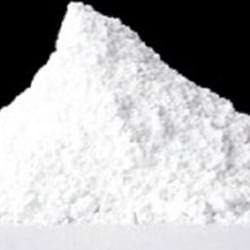
Titanium Dioxide
Found this useful?