West Virginia Chemical Incident Raises Questions for Industry Decommissioning Safety
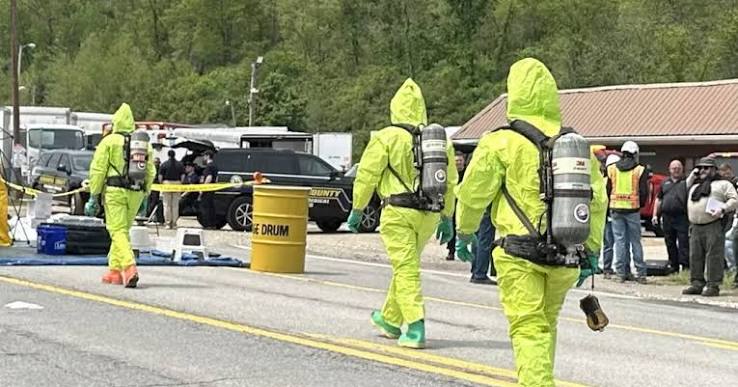
The April 2026 chemical incident in Institute, West Virginia continues to attract scrutiny from chemical safety trade associations, with attention extending beyond the immediate event to broader industrial practices. The focus on decommissioning procedures and hazard review protocols has created a wider safety discussion for chemical manufacturers, traders and facility operators.
For companies managing chemical assets, decommissioning can present risks that differ from routine production operations. Equipment may be inactive while still containing residual chemicals, stored materials or process hazards that require careful assessment.
The incident therefore provides a useful industry signal. Companies reviewing retired equipment, closing production units or transferring chemical facilities should treat decommissioning as an active safety process rather than simply the final stage of plant operations.
Why Decommissioning Requires a Different Safety Approach
Chemical facilities can remain hazardous even after production stops. Process vessels, pipelines, storage systems and associated equipment may retain residues or contain conditions that operators need to understand before dismantling or removal.
A facility transition can also involve several teams at once. Operations personnel, maintenance contractors, environmental specialists and safety professionals may all have responsibilities during different stages of the process.
This creates potential gaps if hazard information does not move clearly between teams.
A robust decommissioning program should therefore establish:
Known chemical hazards: Teams need a clear understanding of substances that may remain in equipment or storage areas.
Equipment condition: Retired systems still require assessment before workers begin isolation, dismantling or removal activities.
Contractor controls: External workers need access to relevant hazard information and site-specific procedures.
Change management: Altering or removing equipment can create new risks that did not exist during normal operations.
These considerations make decommissioning an important part of process safety management.
Hazard Reviews Should Continue Beyond Production
One of the broader issues raised by the West Virginia incident is the role of hazard review when a facility or process enters a different operating phase. Traditional process safety reviews often focus heavily on active production, but hazards can change when equipment moves toward shutdown or decommissioning.
A system that operated safely under controlled production conditions may require a different assessment once utilities are disconnected, containment systems are modified or equipment is opened.
For chemical companies, this means hazard identification should continue throughout the asset lifecycle.
Teams should reassess risks when:
Production stops permanently.
Chemicals are removed or transferred.
Process equipment changes ownership.
Equipment enters long-term storage.
Contractors begin dismantling activities.
Facilities move toward complete closure.
This lifecycle approach can help identify hazards that may otherwise fall between operational and decommissioning responsibilities.
Decommissioning Can Create Procurement and Contractor Risks
The safety discussion also has implications for procurement teams. Companies frequently rely on specialist contractors for equipment removal, waste handling, site cleaning and other decommissioning activities.
Selecting a contractor based only on price can create additional risk if the provider lacks relevant chemical hazard experience.
Procurement teams should consider:
Safety qualifications: Contractors should demonstrate appropriate experience with chemical facilities and hazardous equipment.
Scope clarity: Contracts should clearly define responsibilities for isolation, cleaning, removal and waste management.
Documentation: Hazard information should form part of the handover process before work begins.
Emergency planning: Contractors should understand site emergency procedures and communication channels.
Supervision: Companies should maintain appropriate oversight throughout high-risk decommissioning activities.
These controls can help procurement teams treat contractor selection as part of the site's overall safety strategy.
Hazard Communication Becomes Critical During Facility Changes
Information quality can deteriorate when facilities change ownership, personnel or operating status. Employees who understand a process may leave while contractors or new teams inherit responsibility for equipment.
That creates a need for strong documentation.
Chemical companies should maintain accessible records covering process materials, equipment history, known hazards and previous safety reviews. Where information remains uncertain, teams should identify that uncertainty before beginning intrusive work.
The objective is straightforward: workers should understand the hazards associated with equipment before they disturb, open, dismantle or relocate it.
Aging Assets Increase the Importance of Lifecycle Planning
The issue becomes particularly relevant for companies operating older chemical facilities. Aging equipment can require increasingly complex maintenance, modification or retirement decisions.
Decommissioning should therefore form part of long-term asset planning rather than appear as an unexpected final activity.
A company can reduce future uncertainty by identifying potential retirement requirements early and establishing procedures for chemical removal, equipment isolation, waste handling and contractor management.
This approach also helps financial and procurement teams anticipate future costs. Decommissioning expenses can involve specialized labor, environmental services, waste treatment, equipment dismantling and regulatory requirements.
Safety Reviews Can Protect Supply Chain Continuity
Chemical safety is directly connected to supply reliability. A serious incident can affect production capacity, logistics, customer deliveries and the availability of important chemical inputs.
For buyers, the lesson is that facility safety performance can become a supply-chain consideration.
Procurement teams sourcing critical chemicals can therefore include safety and operational resilience in supplier assessments. Useful indicators may include the supplier's approach to process safety, maintenance practices, incident management and contingency planning.
A supplier with strong safety systems may be better positioned to maintain reliable operations through shutdowns, maintenance events and facility transitions.
What Chemical Companies Should Review Now
The continued industry scrutiny surrounding the Institute incident gives chemical companies a reason to revisit their own decommissioning procedures.
A practical review can focus on several areas:
Lifecycle hazard assessments: Confirm that hazard reviews cover shutdown and decommissioning phases, not only active production.
Contractor qualification: Review the safety credentials and chemical-sector experience of external decommissioning providers.
Asset documentation: Check whether equipment records accurately describe historical chemical use and known hazards.
Responsibility handoffs: Define who owns safety decisions as facilities move between operational and decommissioning teams.
Emergency preparedness: Ensure emergency procedures remain appropriate during shutdown and dismantling activities.
Management review: Escalate unresolved hazards before physical decommissioning work begins.
These measures can help companies identify procedural weaknesses before they become operational incidents.
The Bottom Line for Chemical Safety and Procurement Teams
The April 2026 Institute, West Virginia chemical incident continues to generate industry attention because its implications extend beyond one facility. The focus on decommissioning procedures and hazard review protocols highlights a broader challenge for chemical companies managing shutdowns, aging assets and facility transitions.
For chemical traders, procurement managers and facility operators, the key lesson is that safety remains relevant after production ends. Strong hazard reviews, accurate documentation and qualified contractors can reduce risk while supporting safer asset retirement and more resilient chemical supply chains.
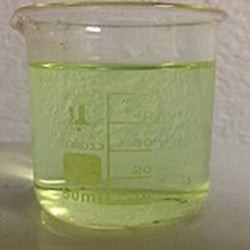
Sodium Hypochlorite
Found this useful?