Chemical Price Spikes During the 2026 Crisis | Procurement Intelligence | ChemicalsBlog.com
Rankings & Industry Intelligence
schedule4 Min Read
What the Wikipedia Economic Impact Article Confirms About Chemical Price Spikes
terminal
prodchem
Jul 13, 2026
Periods of market disruption generate large volumes of information.
One practical challenge for procurement professionals is identifying reliable reference points that consolidate developments across multiple commodity markets.
Publicly maintained summary resources can be useful starting points because they often compile data from numerous cited publications.
However, they should be treated as secondary summaries, with commercially significant figures verified against the underlying primary sources before being used in procurement decisions or external reporting.
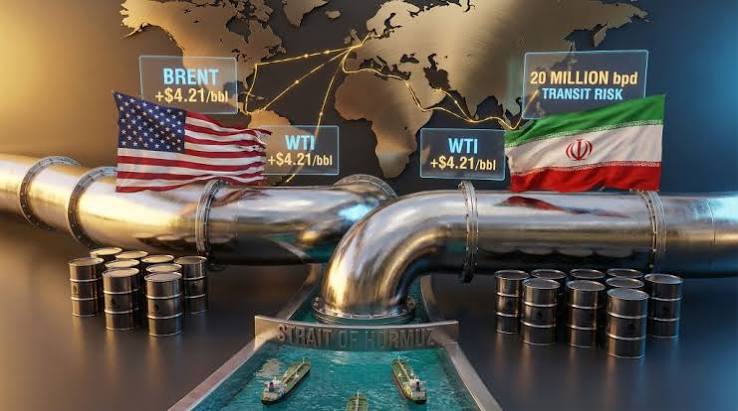
Energy Markets Led the Initial Price Shock
The earliest and most immediate effects appeared in energy markets.
Published reporting during the crisis documented significant movements in:
Brent crude oil.
Natural gas.
Marine fuel.
Electricity markets.
Refinery feedstocks.
Because energy represents a major cost component for chemical manufacturing, these movements rapidly influenced production economics across the sector.
Feedstock Costs Quickly Spread Through Chemical Supply Chains
Higher energy prices affected chemical markets through multiple transmission channels.
Examples include:
Higher refinery operating costs.
Increased steam cracker feedstock costs.
Rising electricity expenses.
More expensive transportation.
Higher marine freight.
Increased manufacturing overhead.
The combined effect was broader cost inflation across many industrial chemical categories.
Fertilizer Markets Responded Rapidly
Fertilizer markets also experienced significant price volatility.
Contributing factors included:
Feedstock costs.
International trade flows.
Shipping disruptions.
Supply uncertainty.
Producer operating costs.
For procurement teams purchasing fertilizers or fertilizer intermediates, monitoring upstream energy markets became increasingly important for anticipating downstream price movements.
Energy and Chemicals Remain Closely Linked
Chemical manufacturing remains highly energy intensive.
Consequently, procurement professionals should monitor not only chemical market indicators but also:
Crude oil prices.
Natural gas markets.
Electricity prices.
Refinery utilisation.
Freight costs.
Marine insurance.
Together, these indicators provide early insight into potential cost pressures before they fully appear in finished chemical pricing.
Reference Compilations Support Faster Intelligence
Well-maintained summary resources can help procurement teams quickly identify:
Major market movements.
Key commodity trends.
Relevant primary sources.
Important economic indicators.
Cross-market relationships.
However, significant commercial decisions should continue to rely on the underlying cited sources, particularly when contract pricing, budgeting or public reporting depends on numerical accuracy.
Building a Reliable Chemical Price Intelligence Framework
Public summary resources are most valuable when they serve as an index to higher-quality evidence rather than the final source of truth.
An effective procurement intelligence process should therefore combine:
Industry publications.
Government statistics.
Commodity exchange data.
Company financial reports.
Independent market analysis.
Public reference compilations.
Using multiple sources reduces the risk of relying on any single publication and improves confidence in commercial decisions.
Chemical Buyers Should Monitor Leading Cost Indicators
Rather than waiting for supplier price increases, procurement professionals can improve planning by tracking upstream cost drivers.
Important indicators include:
Crude oil benchmarks.
Natural gas prices.
Electricity markets.
Sulphur prices.
Ammonia markets.
Ocean freight indices.
Currency movements.
Marine insurance costs.
Together, these variables often provide early warning of pricing pressure before it reaches downstream chemical contracts.
Cross-Market Intelligence Improves Forecasting
The 2026 market disruption demonstrated how interconnected commodity markets have become.
Movements in one sector frequently influenced others:
Energy affected petrochemicals.
Petrochemicals influenced polymers.
Natural gas affected ammonia and fertilizers.
Freight costs increased delivered chemical prices.
Understanding these relationships enables procurement teams to anticipate cost changes more effectively than monitoring individual products in isolation.
Turn Market Data Into Procurement Decisions
Price intelligence becomes most valuable when it supports practical commercial actions.
Examples include:
Reviewing contract pricing mechanisms.
Timing purchases around market volatility.
Strengthening supplier diversification.
Adjusting inventory policies.
Updating procurement budgets.
Improving supplier negotiations.
Market intelligence should ultimately improve decision-making rather than simply describe market conditions.
Looking Ahead to H2 2026
The 2026 market disruption reinforced an important lesson for procurement professionals: commodity markets do not move independently. Oil, natural gas, electricity, freight, fertilizer and chemical feedstocks interacted throughout the crisis, creating cost pressures that extended well beyond the energy sector. Understanding these interconnections enables procurement teams to identify emerging risks earlier and respond with more informed sourcing strategies.
Public reference summaries that consolidate information from multiple cited sources can provide a useful starting point for market monitoring, particularly during rapidly evolving events. However, procurement decisions involving contracts, budgets or external reporting should always be supported by verification against the underlying primary sources to ensure numerical accuracy and commercial reliability.
The key lesson for H2 2026 is that effective procurement intelligence combines multiple trusted sources with structured market analysis. Organisations that monitor upstream cost drivers, validate key market data and integrate commodity intelligence into procurement planning will be better positioned to manage volatility, negotiate effectively and build resilient chemical sourcing strategies.
Ready to source industrial and specialty chemicals from verified global suppliers with transparent pricing and resilient international supply networks? Explore competitive offers on our platform today.