Methanol Prices Surge 26%: What Buyers Must Know | ChemicalsBlog
Article
schedule8 Min Read
Why Methanol Prices Have Surged 26% in the Past Month and What Buyers Must Know
terminal
prodchem
Jun 9, 2026
Why Methanol Prices Have Surged 26% in the Past Month and What Buyers Must Know
Methanol prices have jumped 26% in the past month, catching procurement teams and chemical traders off guard. For an industrial solvent that underpins everything from plastics and fuel blending to pharmaceuticals and formaldehyde production, this kind of volatility carries serious commercial consequences.
What Is Methanol and Why Does It Matter to Chemical Traders?
Methanol, also known as methyl alcohol (CH3OH), is one of the most widely traded commodity chemicals in the world. It is a colorless, flammable liquid produced primarily from natural gas through a process called steam methane reforming, though coal-to-methanol and biomass-based routes also exist.
Its importance to global chemical trade is hard to overstate. Methanol serves as a direct feedstock for formaldehyde, acetic acid and MTBE (methyl tert-butyl ether), and it plays a growing role in fuel methanol blending, olefin production via MTO (methanol-to-olefins) processes and marine fuel applications under the IMO 2020 sulfur regulations.
Global methanol trade volumes routinely exceed 90 million metric tons per year. Any meaningful price movement ripples across dozens of downstream sectors almost immediately.
Global Methanol Market Overview
The global methanol market was valued at approximately USD 32 billion in 2024 and continues to grow at a steady pace driven by both traditional applications and emerging clean energy demand. Asia-Pacific accounts for the largest share of consumption, with China alone representing over 50% of global demand.
The Middle East dominates export supply, leveraging low-cost natural gas to produce methanol competitively. Iran, Saudi Arabia and Trinidad are among the top exporting nations, supplying markets across Europe, South Asia and East Asia.
Spot prices in key trading hubs such as Rotterdam, Fujairah and Southeast Asia serve as the primary reference benchmarks for contract negotiations. The current surge has pushed spot prices in these hubs to levels not seen since early 2023.
Key Price Drivers Behind the 26% Surge
Several converging forces have combined to push methanol prices sharply higher over the past four weeks.
Natural Gas Price Pressure. Methanol production is tightly coupled to natural gas costs, which make up 60 to 70% of cash production costs in most markets. A spike in European and Asian LNG prices, driven by reduced Russian pipeline flows and stronger-than-expected summer cooling demand, has squeezed producer margins and forced output rationalization at higher-cost plants.
Plant Outages and Reduced Run Rates. Unplanned shutdowns at several large methanol facilities in Trinidad, the United States Gulf Coast and parts of Southeast Asia have tightened available spot supply at a time when demand remains firm. Industry sources report that combined offline capacity represents roughly 3 to 4 million metric tons of annualized production.
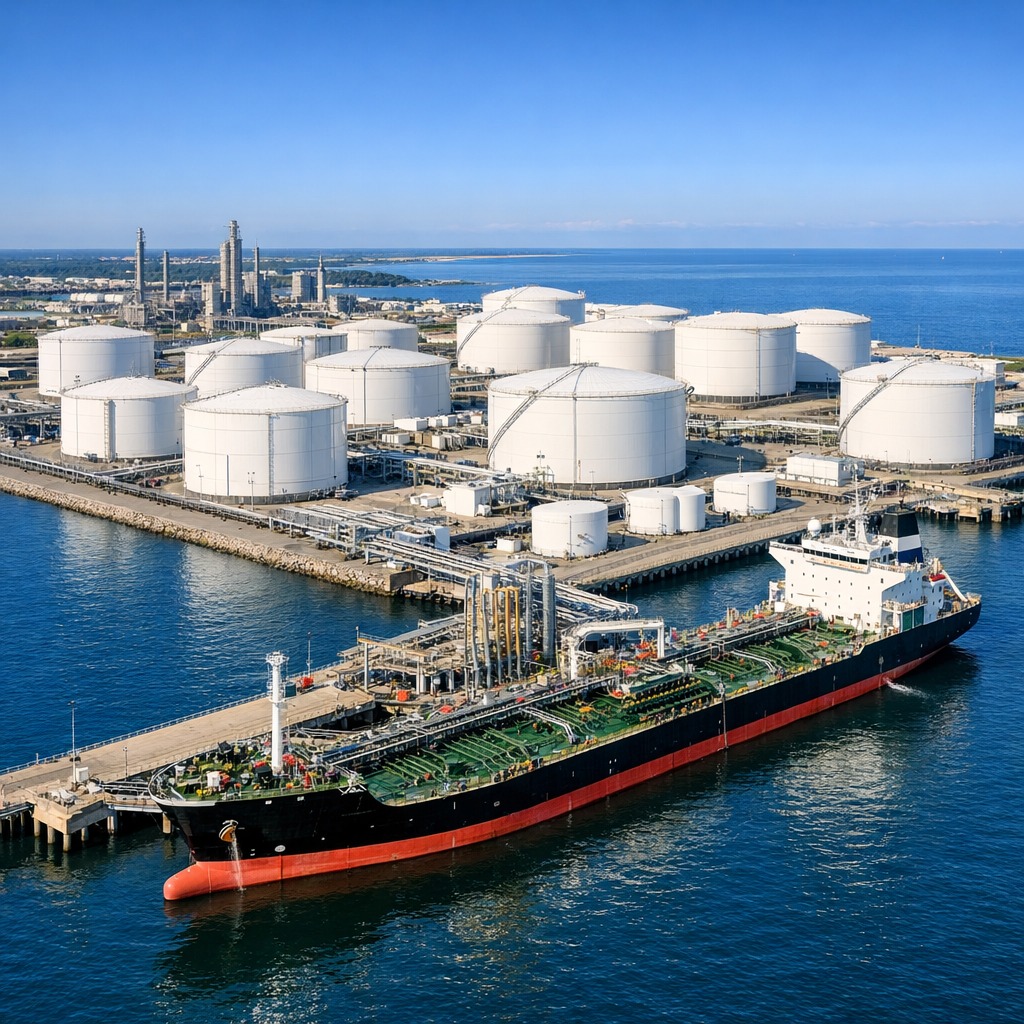
Freight and Logistics Constraints. Chemical tanker freight rates have increased meaningfully in recent months. Rerouting around the Red Sea, combined with port congestion at key Asian receiving terminals, has added both cost and delivery uncertainty to methanol cargoes.
Demand Pull from China's MTO Sector. Chinese MTO producers have been running at higher utilization rates to meet domestic polyolefin demand. This has driven robust methanol import buying from China, absorbing supply that would otherwise have softened spot prices.
Currency and Trade Policy Shifts. A weakening US dollar has increased the cost of methanol imports for buyers settling in other currencies, while tariff adjustments in certain South Asian markets have redirected trade flows and created localized supply gaps.
Top Methanol Producing and Exporting Countries
Understanding where methanol comes from is essential for buyers trying to navigate current market tightness.
Iran is the world's largest methanol exporter by volume. It holds significant feedstock cost advantages but operates under ongoing international sanctions, which complicate payment logistics, shipping insurance and counterparty risk assessment for many buyers.
Saudi Arabia through its major petrochemical producers operates large, world-scale methanol units with reliable output and strong logistics infrastructure. Saudi methanol commands a premium in some markets due to compliance certainty.
Trinidad and Tobago has historically been a primary supplier to the US Atlantic Coast and European markets. Recent plant reliability issues have reduced its export competitiveness temporarily.
China is both the world's largest consumer and a major producer, though most domestic production serves internal demand. Chinese export volumes are opportunistic and vary with domestic price spreads.
Russia and the United States each contribute meaningful volumes to global trade, with US Gulf Coast methanol exports playing an increasingly important role in European supply following shifts in energy trade patterns post-2022.
Who Buys Methanol and How Is It Used?
Methanol buyers span a wide range of industries, which is precisely why price volatility carries such broad economic consequences.
Formaldehyde producers are the single largest consuming segment, using methanol to manufacture resins for wood panels, adhesives and construction materials. Any cost increase flows directly into building materials pricing.
Acetic acid and downstream chemical manufacturers rely on methanol as a core feedstock. This segment spans packaging films, coatings, adhesives and pharmaceuticals.
Fuel blending and energy sector buyers represent a fast-growing demand category. Methanol blending in gasoline is well established in China and parts of Southeast Asia. The marine fuel sector is increasingly adopting methanol as a low-sulfur, lower-carbon alternative to conventional bunker fuel.
MTO (methanol-to-olefins) operators in China convert methanol into ethylene and propylene as an alternative to naphtha-based steam cracking. This segment is highly price-sensitive and tends to adjust run rates quickly in response to methanol market conditions.
Biodiesel producers also use methanol in transesterification reactions, adding a renewable-sector demand layer that has grown steadily over the past several years.
Risks, Challenges and Regulatory Considerations
Buyers operating in today's methanol market face several compounding risk factors beyond spot price exposure.
Supply concentration risk remains a structural vulnerability. A significant portion of seaborne methanol supply originates from regions with elevated geopolitical risk, including Iran and parts of the Middle East. Traders and end-users who lack diversified supply chains are more exposed to disruption.
Sanctions compliance is a non-trivial operational challenge for any buyer sourcing from or connected to Iranian methanol. Shipping, insurance and banking institutions apply strict due diligence, and compliance failures carry severe penalties.
Environmental and sustainability regulations are tightening across major consuming markets. The EU's Carbon Border Adjustment Mechanism (CBAM) will eventually affect methanol imports with high embedded carbon intensity. Buyers building long-term procurement strategies need to account for the carbon footprint of their supply origins.
Contract structure and pricing basis risk are also under pressure. Many buyers with formula-based contracts tied to published indices have seen rapid cost escalation. Buyers with fixed-price contracts have fared better in the short term but face rollover risk at unfavorable levels.
Methanol Market Outlook: 2026 to 2030
Despite the current volatility, the medium-term structural outlook for methanol demand remains constructive, with several growth vectors emerging simultaneously.
Green and blue methanol are receiving significant investment attention. Green methanol produced from renewable hydrogen and captured CO2, and blue methanol produced from natural gas with carbon capture, are both scaling commercially. A growing number of shipping companies have committed to methanol-fueled vessels, creating sustained new demand for low-carbon methanol supply.
Capacity additions are expected from the Middle East, the US Gulf Coast and China between 2026 and 2028. This new supply should gradually rebalance the market, but the timing of project completions and ramp-ups carries execution risk.
Demand from the energy transition is a structural tailwind. Methanol is being evaluated as a hydrogen carrier, a marine fuel and a power generation fuel in a number of markets. The IEA and industry bodies project methanol demand in clean energy applications could grow at double-digit annual rates through the end of the decade.
Price normalization is likely over a 12 to 18 month horizon as the current supply disruptions ease and new capacity comes online. However, buyers should not assume a rapid return to 2023 price levels. Elevated natural gas costs and higher logistics expenses have raised the floor for methanol production costs globally.
The 2026 to 2030 window will likely be defined by a two-track market: conventional methanol serving existing industrial applications under moderate price growth, and a premium-priced green and certified methanol market serving energy transition buyers willing to pay for verified low-carbon credentials.
Conclusion
The 26% surge in methanol prices reflects a confluence of supply disruptions, energy cost inflation, logistics challenges and robust demand from key consuming sectors. For chemical buyers and traders, this is not a passing spike to wait out but a signal to reassess sourcing strategies, contract structures and supplier diversification.
Buyers who act proactively by locking in forward cover where possible, qualifying alternative supply origins and monitoring feedstock markets will be better positioned than those who react after the fact.
Looking to source methanol? Explore verified, compliance-ready suppliers on our platform and get competitive quotes from producers across the Middle East, Americas and Asia.
methanol price surge
Found this useful?
Share With Friends
Global Freight Volatility: Impact on Asian Polymer Markets