Saudi Arabia's Red Sea export workaround has helped maintain trade flows during prolonged disruptions across one of the world's busiest shipping corridors. That strategy now faces a new challenge as the Houthis' declared maritime embargo extends the perceived risk to routes that many exporters had considered comparatively safer.
For food ingredient importers, chemical traders and procurement managers, this development is significant because shipping risk affects far more than vessel movements. It can influence freight rates, transit times, marine insurance and inventory planning across global supply chains.
Why the Saudi Red Sea Workaround Became Important
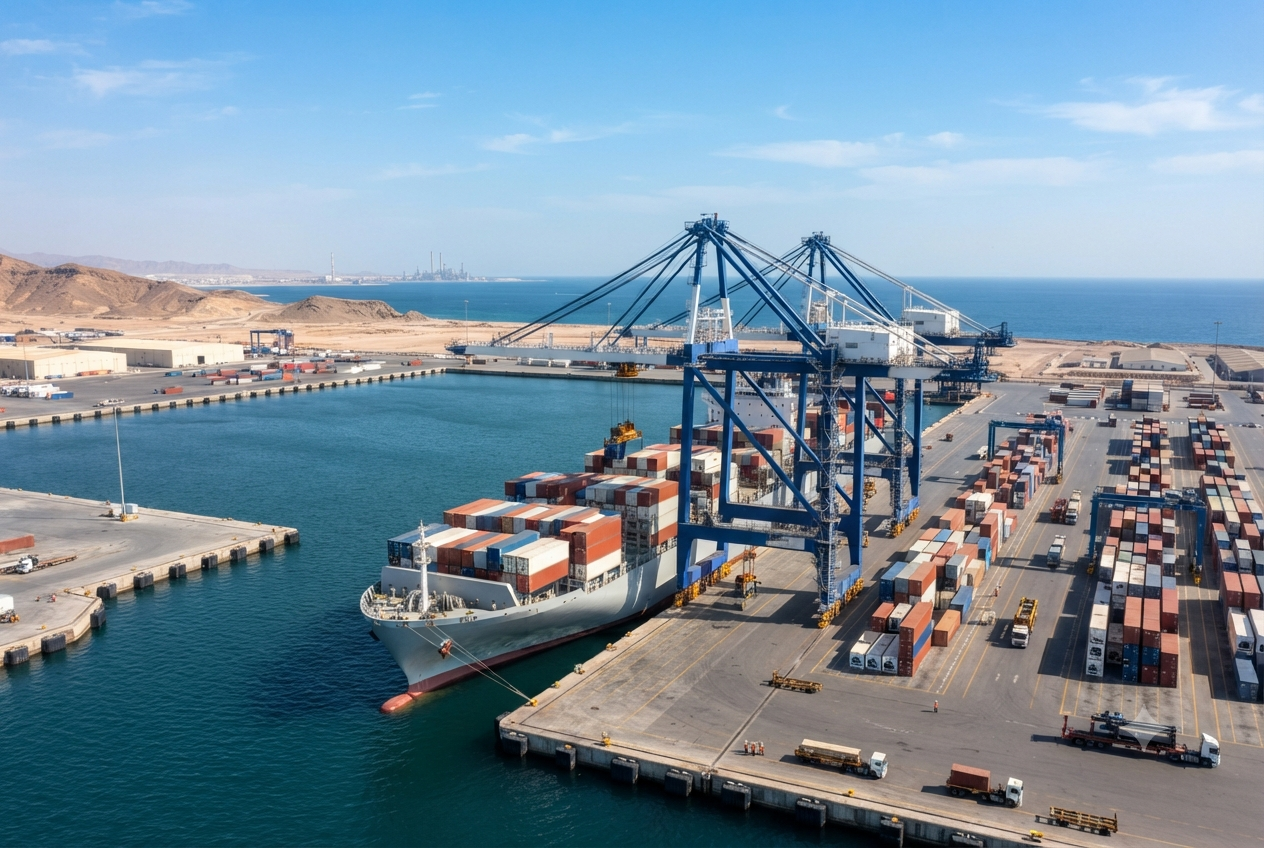
As maritime security concerns intensified in the Red Sea, exporters sought alternative terminals and routing strategies to keep cargo moving while avoiding the highest risk areas.
Saudi Arabia emerged as a practical option because its infrastructure offered:
Modern export terminals with strong logistics capabilities.
Connections to international shipping networks serving Europe, Asia and Africa.
The ability to reduce dependence on more heavily disrupted routes.
For many buyers, these terminals became part of broader contingency planning rather than a permanent replacement for traditional shipping lanes.
The New Maritime Risk Has Changed the Equation
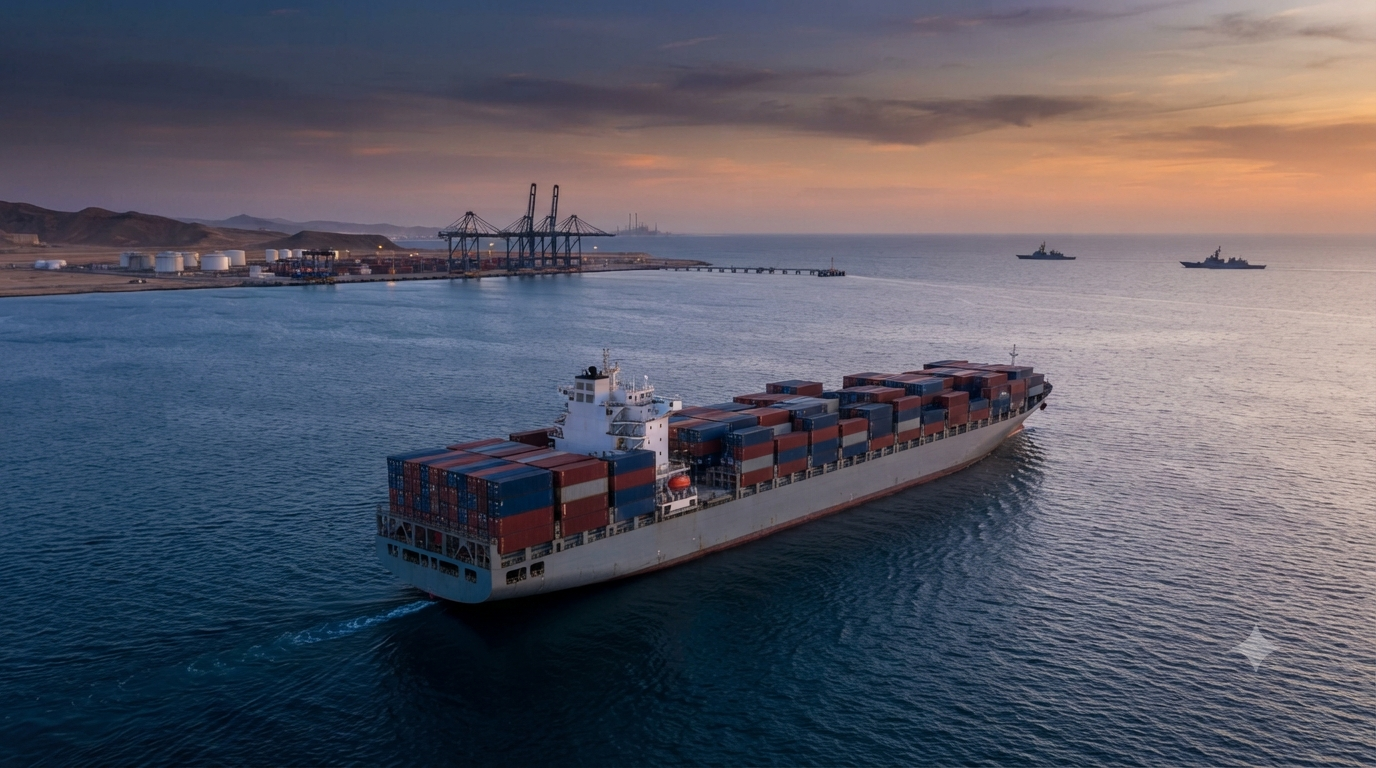
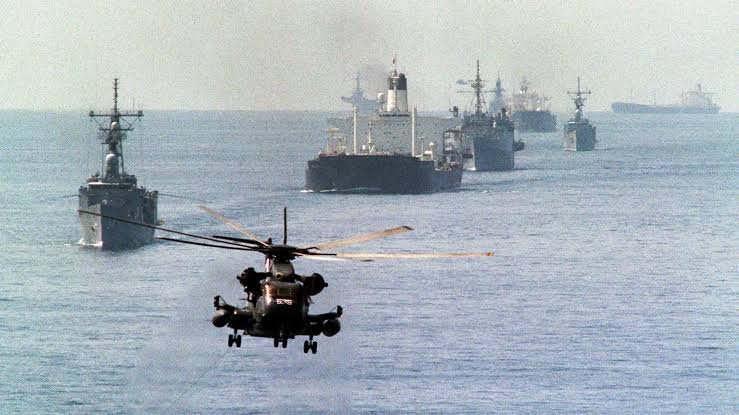
The Houthis' declared maritime embargo means that even alternative export routes may now face greater operational uncertainty.
This does not necessarily indicate widespread disruption, but it increases the likelihood that shipping companies will reassess their risk exposure. As a result, procurement teams should expect closer monitoring of voyage planning and carrier decisions.
Food Linked Cargo Faces Indirect Cost Pressure
Many food ingredients rely on predictable maritime logistics rather than rapid delivery. Even moderate shipping delays can create scheduling challenges for manufacturers operating with tightly managed inventories.
Products potentially affected include:
Citric acid used across beverage and food manufacturing.
Corn starch and maltodextrin shipped in large international volumes.
Sweeteners and food additives supporting processed food production.
Vegetable oils and other bulk food ingredients moving between regional markets.
Even if cargo remains available, higher logistics costs can increase the final landed price.
Insurance and Freight Could Become More Expensive
Shipping companies evaluate both physical risk and financial exposure before accepting cargo through sensitive maritime regions.
Procurement professionals should monitor several potential cost drivers:
Increased marine insurance premiums for affected voyages.
Higher freight quotations reflecting operational risk.
Changes in vessel scheduling as carriers modify routes.
Longer transit times if ships avoid higher risk areas.
These factors often appear before any physical supply shortage develops.
Procurement Strategies During Maritime Uncertainty
Companies sourcing internationally should strengthen logistics planning rather than relying on a single shipping corridor.
Practical actions include:
Review supplier shipping routes instead of focusing only on country of origin.
Discuss contingency plans with freight forwarders and ocean carriers.
Evaluate inventory policies for critical ingredients with long replenishment times.
Monitor freight quotations regularly because market conditions can change quickly.
Consider multiple sourcing locations where commercially viable.
These measures improve resilience without requiring major changes to purchasing strategies.
Why Route Diversity Is Becoming More Valuable
Recent years have demonstrated that supply chain resilience depends on flexibility as much as price.
Businesses that diversify shipping routes and supplier networks are often better positioned to respond when geopolitical events alter freight availability. Route diversity also reduces dependence on a single maritime corridor during periods of elevated regional tension.
What Buyers Should Do Now
The renewed exposure of Saudi Arabia's Red Sea export workaround highlights how rapidly maritime risk can evolve. Even routes viewed as practical alternatives can become subject to changing security assessments, affecting freight costs and delivery reliability.
Procurement teams should continue monitoring geopolitical developments alongside freight markets, marine insurance and supplier logistics. Early awareness allows buyers to adjust sourcing strategies before higher transportation costs or longer transit times affect production schedules.
Ready to source citric acid from verified global suppliers? Explore competitive offers on our platform today.