Worley Completes FEED for Abadi LNG Subsea Systems and CCS in Indonesia
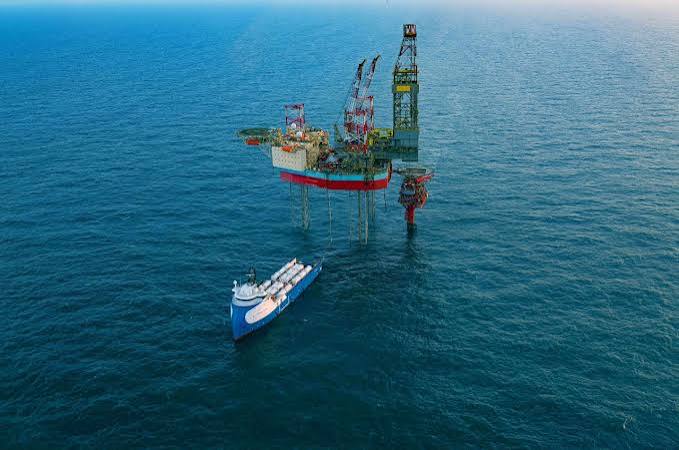
Worley has completed front-end engineering design (FEED) for key offshore infrastructure supporting INPEX’s Abadi LNG project in Indonesia, marking an important step for a development planned to produce approximately 9.5 million tonnes of LNG per year. The project combines offshore gas production, subsea infrastructure, gas export pipelines and an integrated carbon capture and storage (CCS) system.
For chemical traders, procurement managers and industrial suppliers, the development is significant because its requirements extend beyond conventional LNG infrastructure. Subsea equipment, flow assurance chemicals, corrosion-control materials, gas-processing chemicals and CCS-related products could all form part of the broader procurement landscape as the project advances toward construction.
Abadi LNG Moves Through a Major Engineering Milestone
The Abadi LNG project is located in the Masela Block in Indonesia’s Arafura Sea. INPEX operates the project alongside its partners Pertamina and PETRONAS, with the development designed around an offshore production system and an onshore LNG plant.
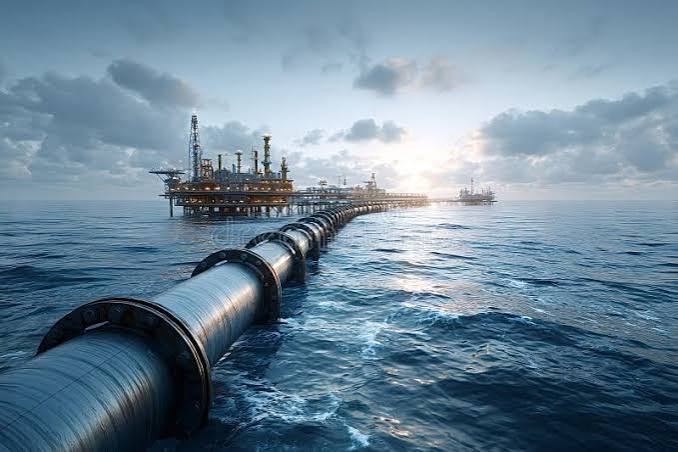
Worley’s latest work covers two important offshore infrastructure packages. Its FEED scope includes approximately 150 kilometres of subsea infrastructure, gas export pipelines and CCS pipelines, with teams in Indonesia supported by specialist capabilities from Singapore, Perth and Malaysia.
FEED provides the engineering definition required before detailed engineering, procurement and construction can progress. For suppliers, completion of this phase can improve visibility around technical specifications, equipment requirements and future procurement packages.
INPEX expects the Abadi development to produce around 9.5 million tonnes of LNG annually. The project also plans to supply pipeline natural gas and produce condensate, creating a broader infrastructure network around the gas field.
Why Subsea Infrastructure Matters for LNG Procurement
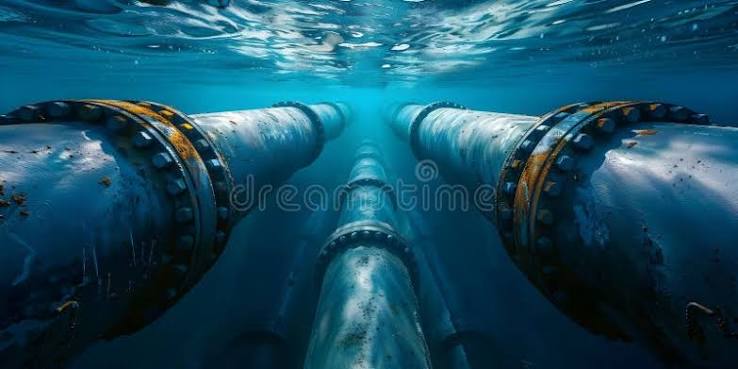
Abadi combines offshore production with an onshore LNG facility, which makes subsea infrastructure a central component of the development. The planned subsea umbilicals, risers and flowlines will operate in water depths of approximately 400 to 800 metres, creating demanding requirements for reliability, materials and flow assurance.
Deepwater gas infrastructure requires equipment and materials capable of maintaining performance under high pressure and changing temperature conditions. Suppliers must also account for corrosion, hydrate formation and long-term exposure to offshore environments.
For chemical companies, these conditions create several areas to monitor:
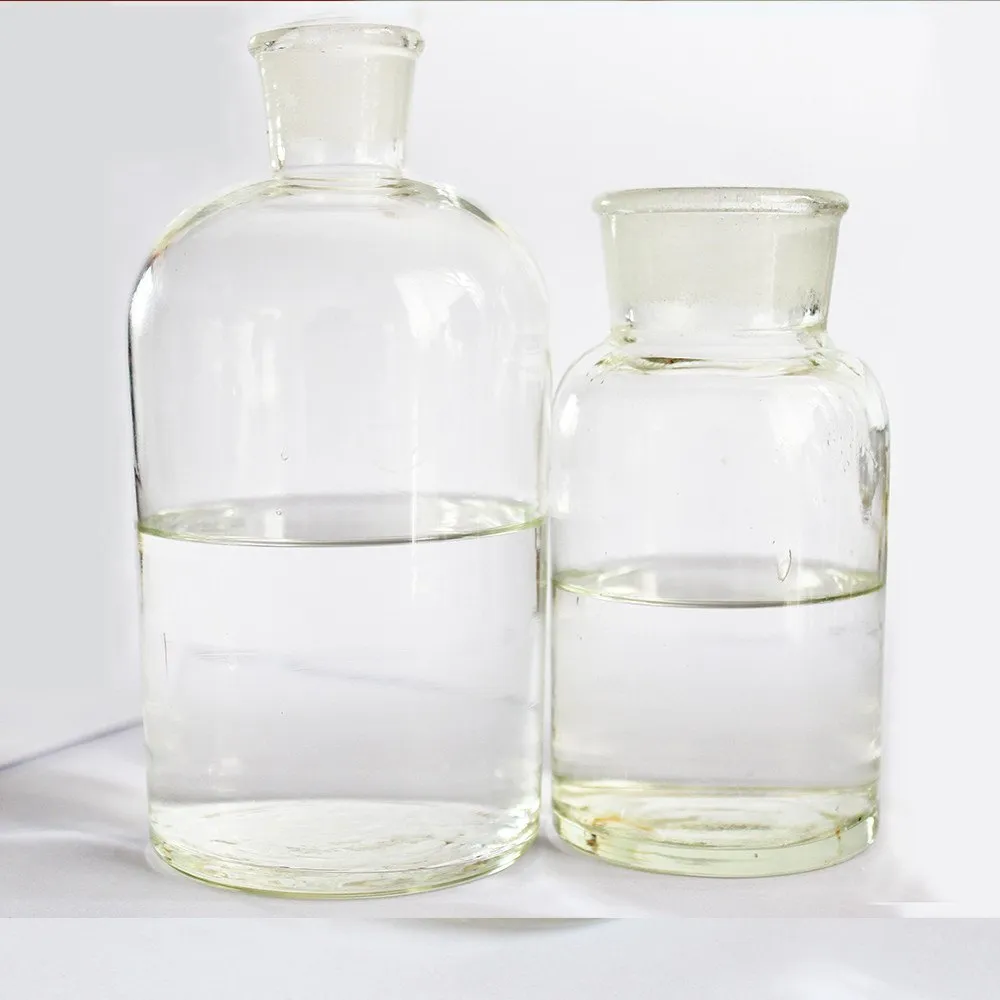
Flow assurance chemicals: Products such as methanol can support hydrate management in gas production and transportation systems where operating conditions create a risk of hydrate formation.
Corrosion-control products: Offshore pipelines and processing equipment require solutions that help manage corrosion and extend asset life.
Water-treatment chemicals: LNG and gas-processing facilities require water treatment across utilities and operational systems.
Specialty coatings and materials: Offshore infrastructure needs protective systems designed for marine environments and long service periods.
Maintenance chemicals: Once the facility enters operation, recurring demand can develop for cleaning, treatment and maintenance products.
The procurement opportunity therefore extends beyond the initial supply of subsea hardware. Chemical suppliers that understand offshore operating conditions can position themselves for requirements connected to both construction and future operations.
CCS Adds Another Layer to the Supply Chain
Carbon capture and storage forms an integral part of the Abadi development rather than an independent future retrofit. INPEX has incorporated CCS into the project plan, with the development designed to capture and manage CO₂ associated with the gas resource and LNG production.
The project concept includes CO₂ transportation and injection infrastructure alongside the LNG development. INPEX has also stated that CCS is planned to begin from the start of LNG production, creating an integrated carbon-management system from the initial operating phase.
This approach can influence procurement across multiple parts of the facility. CO₂ handling requires suitable pipelines, compression systems, injection infrastructure and materials that can tolerate the operating conditions associated with carbon dioxide transportation and storage.
For chemical buyers, CCS can create additional requirements around process treatment, corrosion management and specialized materials. The exact requirements will depend on the final engineering specifications and operating conditions established as the project progresses.
Worley’s broader CCS business also covers engineering work across carbon capture, utilization and storage projects. The company says it has supported more than 390 CCUS projects across different industries, giving it an established technical base for integrating carbon-management infrastructure into major industrial developments.
What FEED Completion Means for Chemical Suppliers
FEED completion gives suppliers an important signal because it moves the project closer to procurement and execution. INPEX began FEED work in 2025 across four major packages covering the onshore LNG plant, floating production storage and offloading facility, subsea umbilicals, risers and flowlines and gas export pipeline, with CCS-related work included within the packages.
For chemical traders and manufacturers, the next stages require close monitoring of contractors and procurement activity. Companies that identify potential requirements early can prepare technical documentation, product specifications and qualification materials before purchasing decisions become more advanced.
Several procurement priorities deserve attention:
Technical qualification: Offshore projects can require detailed testing, certification and documentation before suppliers receive approval.
Product consistency: Long-term LNG projects require reliable specifications across repeated deliveries, making quality control particularly important.
Supply continuity: Buyers need suppliers capable of maintaining deliveries throughout construction and future operations.
Local market requirements: Indonesian projects can create opportunities for local distributors, trading companies and international suppliers with established regional networks.
Project-specific standards: Chemical products must match the requirements established by EPC contractors, equipment manufacturers and operating teams.
Companies should also monitor how procurement packages develop after FEED. A product that appears relevant at the conceptual stage may require additional technical qualification before it becomes an approved project material.
Indonesia’s LNG Development Creates Regional Demand
The Abadi project has significance beyond its individual production capacity. INPEX expects the development to contribute to energy security in Indonesia, Japan and other Asian markets through long-term LNG supply.
The project's location in eastern Indonesia also creates potential demand for supporting infrastructure, logistics and industrial services. Large LNG developments require extensive networks covering equipment supply, transportation, storage, maintenance and chemical distribution.
For regional chemical traders, this can create opportunities to connect international producers with Indonesian project requirements. Suppliers with established logistics networks across Southeast Asia can potentially support delivery of products required during both construction and operations.
The project also demonstrates how LNG developments are becoming increasingly integrated with carbon-management infrastructure. That combination can broaden the range of technical products and services required across the project lifecycle.
Procurement Risks to Watch as Abadi Advances
Large offshore LNG developments involve complex supply chains, and procurement teams need to manage more than product price. Technical compliance, delivery reliability and compatibility with project specifications can influence supplier selection.
Chemical buyers should pay particular attention to:
Specification changes: Engineering requirements can evolve between FEED, detailed engineering and construction. Suppliers should maintain flexibility when responding to revised specifications.
Logistics constraints: The remote offshore location can make delivery planning more complicated. Packaging, storage requirements and transportation lead times should form part of procurement planning.
Material compatibility: Chemicals used in gas production and CCS systems must match the operating environment. Compatibility with pipelines, seals, equipment and process conditions requires careful technical review.
Documentation: Safety data sheets, certificates of analysis, technical data and other quality documentation can become essential components of project qualification.
Long-term availability: Buyers should assess whether a supplier can maintain consistent product quality and supply volumes throughout a large, multi-year development.
These factors can make supplier qualification as important as headline pricing. Procurement teams should evaluate the full supply proposition rather than treating chemical sourcing as a simple spot-purchase decision.
Abadi Could Strengthen Demand for LNG-Related Chemicals
The planned 9.5 million tonnes per year LNG capacity gives the Abadi project a substantial potential operating footprint. Once developed, the facility could generate recurring requirements across gas treatment, water treatment, corrosion management, maintenance and other industrial applications.
The subsea infrastructure adds another layer of demand, particularly around flow assurance and offshore asset protection. Deepwater systems need dependable chemical programs to maintain safe and efficient gas transportation under changing operating conditions.
CCS adds further potential requirements. CO₂ transport and injection systems must maintain integrity over long operating periods, increasing the importance of materials engineering, corrosion control and process monitoring.
For chemical suppliers, the opportunity is therefore not limited to construction. The project could support recurring industrial chemical demand throughout its operating life if the development reaches production as planned.
What Buyers Should Do Now
Chemical traders, importers, exporters and procurement teams tracking Abadi should begin mapping the project supply chain around the major engineering packages. Monitoring Worley, INPEX and future EPC contractors can help identify when specific procurement opportunities move from engineering definition into purchasing.
Buyers should prioritize products that match offshore gas production, LNG processing and CCS requirements while preparing the documentation required for technical qualification. Building relationships with regional distributors and project contractors can also improve access to future purchasing opportunities.
The project provides a clear example of how modern LNG developments are creating overlapping demand across energy, chemicals and carbon-management infrastructure. As Abadi progresses toward its next development milestones, suppliers that understand these interconnected requirements will be better positioned to participate in the emerging procurement market.
Ready to source Methanol from verified global suppliers? Explore competitive offers on our platform today.
Methanol
Found this useful?