xxonMobil Completes Baytown Expansion, Strengthening Linear Alpha Olefins Supply
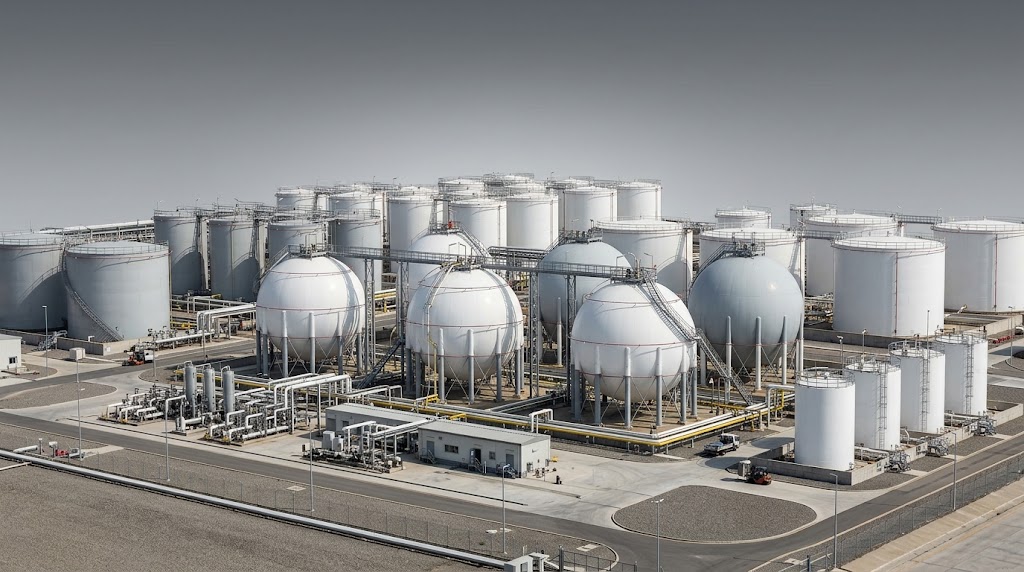
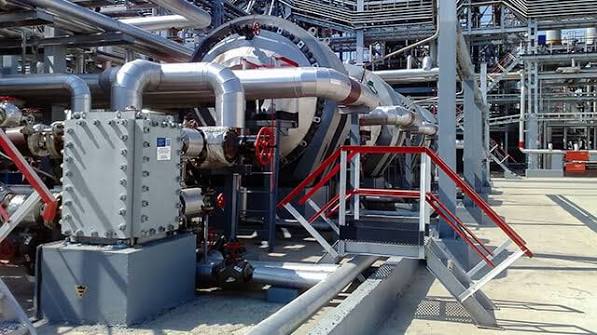
ExxonMobil has expanded its Baytown, Texas chemical operations with a new linear alpha olefins unit capable of producing 350,000 tonnes per year. The project, part of a $2 billion chemical expansion announced by ExxonMobil, marks the company’s entry into the linear alpha olefins market and adds another high-value product stream to its integrated Gulf Coast operations.
For chemical traders, lubricant manufacturers and procurement teams, the development matters beyond the additional production capacity. Linear alpha olefins serve as building blocks and intermediates for high-performance engine oils, industrial lubricants, plastic packaging, surfactants and other specialty applications.
Baytown’s New Linear Alpha Olefins Capacity
The new Baytown linear alpha olefins unit produces products under ExxonMobil’s Elevexx brand. The company designed the facility as part of a broader expansion that also added a performance polymers line with annual capacity of 400,000 metric tons.
The LAO unit gives ExxonMobil a position in a chemical segment that connects petrochemical feedstocks with multiple downstream markets. Its product range can support applications where molecular structure and purity influence lubricant performance, polymer characteristics and chemical formulation.
The project also benefits from Baytown’s existing integration. The complex combines refining, olefins production, chemical manufacturing and related infrastructure across a large site on the Houston Ship Channel, creating logistical connections between multiple production streams.
This integrated model is particularly relevant for procurement because supply reliability depends not only on nameplate capacity but also on feedstock availability, processing infrastructure, storage and transportation access.
Why Linear Alpha Olefins Matter to Chemical Buyers
Linear alpha olefins are a family of hydrocarbons with a linear structure and a double bond at the terminal carbon position. Their molecular properties allow manufacturers to use different chain lengths for different downstream applications.
ExxonMobil identifies plastic packaging, high-performance engine and industrial oils, surfactants and drag reducing agents among the applications supported by LAOs.
For buyers, the importance of LAOs comes from their role as versatile chemical building blocks. Different carbon-chain lengths can serve different processing and performance requirements.
Key downstream areas include:
Lubricants: Certain LAO streams can contribute to high-performance synthetic lubricant and base-stock systems where low-temperature behavior, thermal stability and consistent performance matter.
Polyethylene: Some LAO products such as butene-1 can function as comonomers in polyethylene production, linking LAO supply with packaging and plastic manufacturing.
Surfactants: LAOs can serve as intermediates for surfactant production used across cleaning and industrial formulations.
Pipeline chemicals: Certain applications include drag reducing agents designed to improve the movement of crude oil through pipelines.
Specialty chemicals: LAO chemistry provides feedstock flexibility for manufacturers producing higher-value intermediates and formulated products.

How Baytown Integration Can Affect Supply Chains
The Baytown complex already connects refining and petrochemical production with chemical and plastics operations. ExxonMobil's 2024 Baytown fact sheet states that the LAO unit produces intermediate fluids and waxes and that some LAO products, including butene-1, are integrated with the company's polyethylene operations while C8 and C12 LAOs are integrated with its synthetic lubricants operations.
This integration creates a direct connection between LAO production and downstream manufacturing.
For procurement teams, integrated production can influence sourcing decisions in several ways:
Feedstock coordination: Connected production units can reduce dependence on disconnected supply chains where each intermediate must move between separate facilities.
Logistics efficiency: Baytown's location along the Houston Ship Channel provides access to an established Gulf Coast transportation network.
Downstream flexibility: Different LAO streams can move toward applications including plastics, lubricants and other chemical intermediates.
Supply planning: Buyers can evaluate LAO availability alongside downstream market requirements instead of treating each chemical category as an isolated procurement segment.
The practical effect is that LAO procurement increasingly involves understanding the entire value chain, not simply comparing individual supplier quotations.
Lubricants and High-Performance Oil Demand
One of the most important downstream connections for LAOs is the lubricant industry. ExxonMobil describes its Baytown LAO products as suitable for high-performing engine and industrial oils, while its Baytown operations also produce synthetic polyalphaolefins used as synthetic base stocks.
This creates an important relationship between chemical feedstocks and lubricant performance.
Industrial lubricant manufacturers require raw materials that deliver predictable specifications across production batches. Properties such as molecular distribution, purity and chain length can influence how an intermediate performs during downstream processing.
For buyers, this means procurement specifications should go beyond a simple product name. Technical documentation, agreed specifications, certificate of analysis requirements, packaging format, shipment terms and consistency between lots all become important parts of the purchasing decision.
The Baytown expansion also fits into ExxonMobil's wider focus on higher-value products. In 2025, the company announced another Baytown reconfiguration project aimed at expanding its base-stock offering, including Group III base stocks, with planned startup in 2028.
Plastics Create Another LAO Demand Channel
LAOs also connect directly with polyethylene manufacturing. ExxonMobil's Baytown documentation identifies butene-1 from the LAO unit as an integrated feed stream for polyethylene production at its Mont Belvieu plastics operations.
This relationship gives LAOs relevance to the broader plastics value chain.
Polyethylene manufacturers use specific comonomers to modify polymer structure and achieve desired material characteristics. As packaging and industrial plastic applications become more specialized, consistent access to suitable comonomers becomes an important consideration for producers.
For traders, the relationship creates opportunities to monitor both the LAO market and downstream polyethylene markets. Changes in packaging demand, polymer operating rates or regional feedstock economics can influence purchasing requirements across the chain.
What the Expansion Means for Global Chemical Trade
The U.S. Gulf Coast remains an important hub for petrochemical manufacturing and exports. Baytown's connection to the Houston Ship Channel gives the complex access to established infrastructure serving domestic and international chemical markets.
The additional LAO capacity therefore has significance for international buyers as well as U.S. consumers.
Global procurement teams evaluating U.S.-origin LAOs need to consider several factors:
Product grade and carbon-chain distribution
Available annual and spot volumes
Origin and production location
Port and terminal access
Packaging or bulk shipment requirements
Freight costs and destination
Technical documentation
Contract duration and delivery schedules
Downstream application requirements
A competitive chemical purchase is rarely determined by the headline price alone. Freight, insurance, handling, storage and consistency can materially affect the delivered cost.
Supply Chain Risks Procurement Teams Should Monitor
Additional production capacity can strengthen supply availability, but buyers still need to monitor the factors that influence chemical trade flows.
Feedstock economics remain important because LAO production depends on upstream petrochemical inputs. Changes in crude oil, natural gas, ethylene and other feedstock economics can affect production costs and regional competitiveness.
Plant operating rates also matter. A facility's nameplate capacity does not automatically translate into identical spot availability throughout the year. Maintenance schedules, operating conditions and downstream integration can influence the volumes available to external buyers.
Freight and port conditions can also change delivered costs. Buyers importing from the U.S. Gulf Coast should monitor vessel availability, terminal capacity, shipping rates and destination-port conditions.
Specification consistency is another critical factor. Lubricant and chemical manufacturers often require narrow specifications, making technical verification an important part of supplier qualification.
These considerations make supplier diversification and forward procurement planning valuable tools for companies with continuous LAO requirements.
Sustainability and Chemical Industry Integration
The Baytown project also sits within a wider transition in which large petrochemical complexes are adapting their portfolios toward higher-value materials and improved integration.
ExxonMobil has continued investing in advanced recycling at Baytown. The company says its facility has been processing used plastic waste into raw materials for new products, while further recycling capacity has also been added at the site.
For chemical buyers, this development highlights a broader shift in procurement requirements. Customers increasingly evaluate not only price and technical performance but also production routes, material traceability and the environmental characteristics of supply chains.
LAO itself remains a petrochemical product, so procurement teams should distinguish between conventional LAO supply and products or downstream materials carrying specific circular or sustainability attributes. Clear documentation becomes essential when sustainability claims form part of customer specifications.
Looking Ahead to 2027
ExxonMobil's Baytown expansion demonstrates how major chemical producers are building integrated production systems around higher-value products. The 350,000-tonne-per-year LAO unit adds a substantial new supply stream while connecting LAOs with lubricant, plastics, surfactant and specialty chemical markets.
For chemical traders and procurement managers, the development creates a reason to monitor LAO supply alongside downstream markets rather than evaluating the product in isolation. Changes in lubricant demand, polyethylene production, surfactant consumption, freight economics and Gulf Coast operating conditions can all influence sourcing opportunities.
Buyers should therefore focus on verified specifications, dependable suppliers, realistic delivery schedules and total landed cost when evaluating LAO procurement. As global chemical supply chains become increasingly integrated, access to reliable suppliers and clear market information can help purchasing teams respond more effectively to changing requirements.
Linear-Low Density Polyethylene (LLDPE)
Found this useful?