Global Overcapacity Continues Driving a "Brutal" Downturn Across Petrochemical Regions
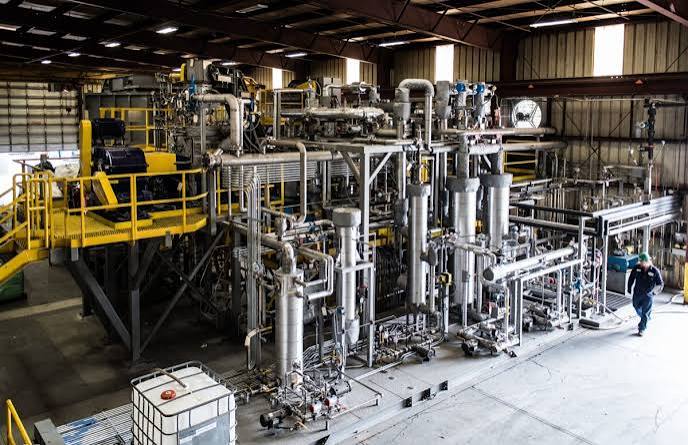
An excess of new global capacity continues driving what C&EN describes as a brutal petrochemical downturn. Plant closures are now reported almost weekly across mature markets like Europe and Japan. This wave of consolidation signals a fundamental imbalance between supply and demand. Producers built massive facilities anticipating robust growth that has failed to materialize. The result is a market flooded with product and starving for margins. Procurement managers and chemical traders face a complex environment. Prices are volatile and supplier stability is uncertain. Buyers must understand these dynamics to secure reliable supply without exposing themselves to counterparty risk. Strategic sourcing decisions made during this downturn will define competitive advantage for years.
The Scale of Global Capacity Expansion
The current crisis stems from a decade of aggressive investment in production infrastructure. Major chemical hubs in Asia particularly China added millions of metric tons of new capacity. These projects came online simultaneously creating a supply glut.
Traditional producers in Europe and North America underestimated the speed of Asian expansion. They maintained their own output levels leading to a global surplus. Basic commodities like ethylene propylene and benzene are most affected.
Utilization rates have dropped below 70 percent in many regions far below the economic optimum.
Inventory levels remain high as producers struggle to move volume into weak markets.
Export pressures force suppliers to dump excess product into international markets at discounted rates.
This oversupply depresses prices across the board. While buyers benefit from lower costs in the short term the long-term implications are severe. Margins are too thin to support necessary maintenance and innovation. The financial health of the entire sector is under stress.
Wave of Closures in Europe and Japan
Mature markets are bearing the brunt of this global imbalance. European and Japanese producers face higher structural costs including energy labor and compliance. They cannot compete with the low-cost base of new Asian crackers.
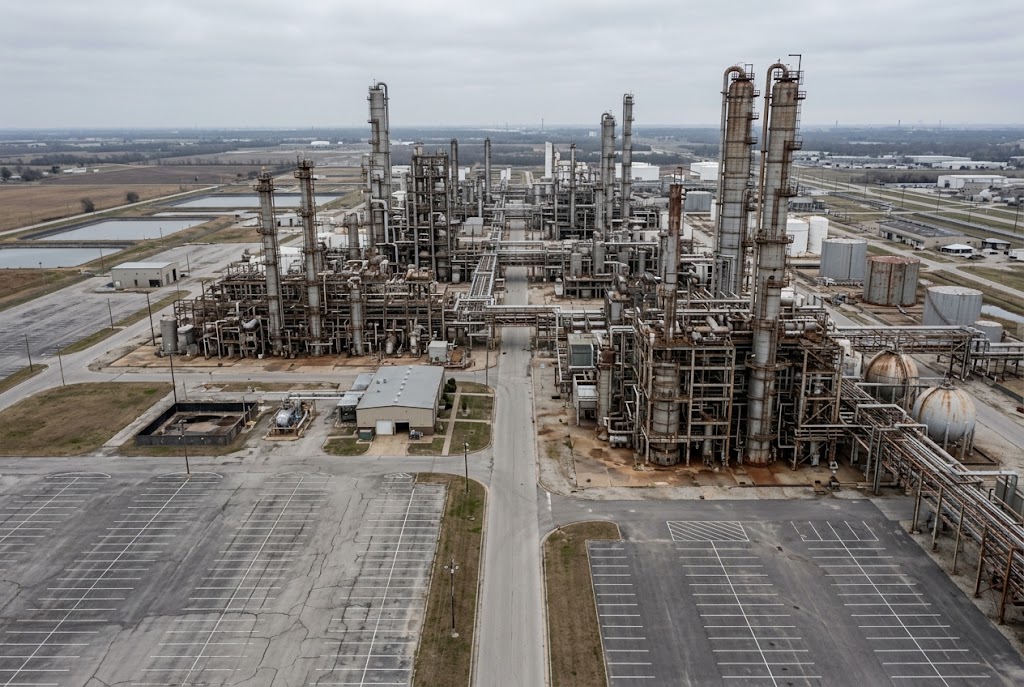
As a result plant closures are becoming routine news. Major integrated sites are shutting down older less efficient units. Some companies are exiting certain product lines entirely to preserve capital.
Ethylene crackers in Germany and France are being idled or permanently closed.
Specialty derivative plants in Japan are consolidating operations to reduce overhead.
Joint ventures are being dissolved as partners seek to limit losses.
These closures reduce local supply availability. Buyers in these regions face a shrinking pool of domestic suppliers. They must increasingly rely on imports which introduces logistical and currency risks. The loss of local production capacity also threatens regional self-sufficiency in critical materials.
Impact on Supply Chain Stability
The frequency of plant closures creates significant uncertainty for supply chains. Buyers who relied on specific European or Japanese sources may find their contracts terminated unexpectedly. Finding alternative suppliers takes time and rigorous qualification.
During this transition period supply disruptions are likely. Logistics networks optimized for regional trade must be reconfigured for global flows. Lead times extend and freight costs fluctuate.
Counterparty risk increases as financially strained suppliers may fail to deliver.
Quality consistency can suffer if production is shifted to different facilities rapidly.
Contract enforcement becomes difficult if suppliers claim force majeure due to economic hardship.
Procurement teams must diversify their supply bases immediately. Relying on single sources in vulnerable regions is dangerous. Building relationships with suppliers in stable jurisdictions like the Middle East or North America provides a hedge. However these alternatives may come with higher baseline costs once the market stabilizes.
Pricing Volatility and Margin Pressure
The oversupply situation leads to extreme price volatility. Spot prices can drop sharply as producers desperate for cash flow undercut each other. Conversely sudden plant outages can cause temporary spikes.
This unpredictability makes budgeting and cost planning difficult for buyers. Long-term fixed-price contracts become rare as suppliers refuse to lock in low rates. Index-linked pricing becomes the norm but requires active management.
Margin compression forces suppliers to cut costs potentially impacting service levels.
Hedging strategies become essential to manage exposure to raw material price swings.
Total cost of ownership analysis must include risks of supply disruption and quality issues.
Buyers should avoid chasing the absolute lowest spot price. Sustainable partnerships require fair margins for suppliers to remain viable. Supporting financially healthy suppliers ensures long-term supply security. It is a balance between immediate cost savings and future reliability.
Strategic Opportunities for Buyers
Despite the challenges the downturn offers strategic opportunities. Buyers have increased leverage in negotiations due to the surplus of supply. They can demand better payment terms stricter quality guarantees and enhanced service levels.
It is also an ideal time to qualify new suppliers. With capacity available new entrants are eager to secure business. Buyers can conduct thorough audits and trial orders without the pressure of tight markets.
Supplier development programs can help improve the capabilities of smaller or regional players.
Innovation partnerships may emerge as suppliers seek differentiation beyond price.
Sustainability goals can be advanced by selecting suppliers with lower carbon footprints.
Procurement teams should use this period to strengthen their supply chain resilience. Build a diversified portfolio of suppliers across different geographies and technologies. Invest in data analytics to monitor market trends and supplier health. Proactive management turns a crisis into a competitive advantage.
Navigating the Path to Recovery
The petrochemical industry will eventually rebalance as demand grows and excess capacity is rationalized. However this process may take several years. Buyers must prepare for a prolonged period of volatility and change.
Stay informed about global capacity additions and closure announcements. Monitor the financial health of key suppliers through credit ratings and industry reports. Engage in open dialogue with account managers to understand their strategic plans.
Scenario planning helps prepare for various market outcomes including further consolidations.
Flexible contracting allows for volume adjustments based on changing needs.
Collaborative forecasting improves alignment between buyers and suppliers.
The brutal downturn is reshaping the global chemical landscape. Only agile and informed procurement teams will thrive. Embrace the change and build a supply chain that is resilient sustainable and cost-effective.
Ready to source chemicals from verified global suppliers? Explore competitive offers on our platform today.

Styrene Monomer
Found this useful?