Delayed Capacity Expansion Projects Remain a Risk for Specialty Agrochemical Intermediate Supply
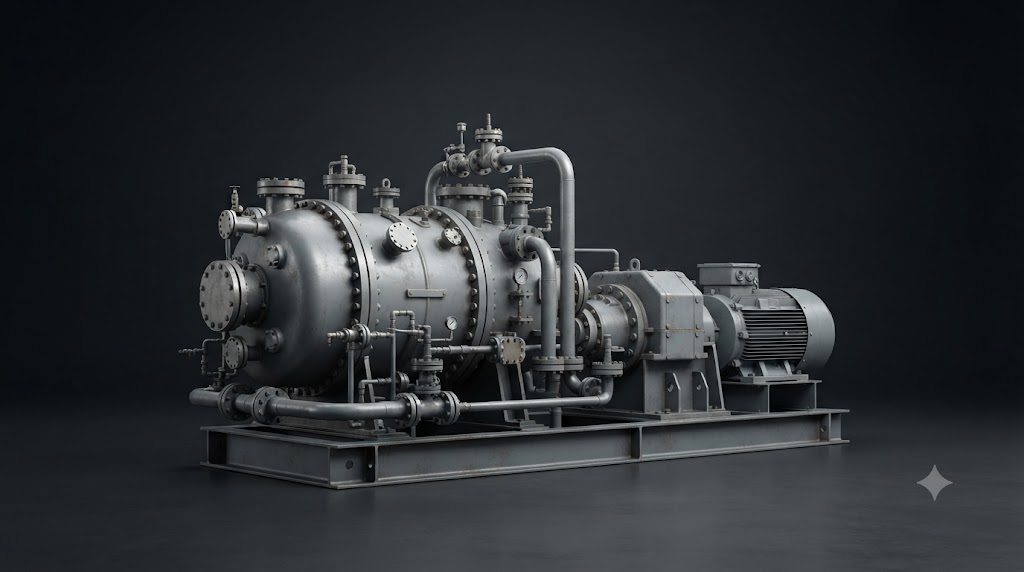
Capacity expansion remains a key strategy for specialty chemical manufacturers seeking to meet growing global demand, but project delays can significantly impact supply chain stability. Vishnu Chemicals has identified delays in the commercialization of its ongoing capacity expansion projects as a potential business risk, highlighting a broader challenge facing the specialty chemicals and agrochemical intermediate industries.
As demand for crop protection products and specialty chemical formulations continues to increase, delayed production capacity can affect raw material availability, lead times, and procurement planning. While expansion projects are designed to strengthen long-term supply, postponements may temporarily tighten availability of critical agrochemical intermediates.
Why Capacity Expansion Matters
Capacity expansion enables manufacturers to increase production, improve economies of scale, and meet rising customer demand. However, delays in bringing new facilities online can create temporary supply constraints across the value chain.
For agrochemical intermediate producers, delayed commercialization may result in:
Limited availability of specialty chemical intermediates
Longer customer lead times
Increased pressure on existing production facilities
Delayed fulfillment of export orders
Higher procurement uncertainty
Potential price volatility in selected product segments
As global agriculture continues to require reliable crop protection products, ensuring adequate manufacturing capacity remains a priority for specialty chemical producers.
The production of agrochemical intermediates depends on a consistent supply of essential industrial chemicals such as Caustic Soda, Acetic Acid, Methanol, Hydrochloric Acid (HCl), Hydrogen Peroxide, and Formic Acid. Delays in manufacturing capacity expansion can disrupt the availability of these raw materials, affecting production schedules, procurement planning, and downstream crop protection manufacturing.
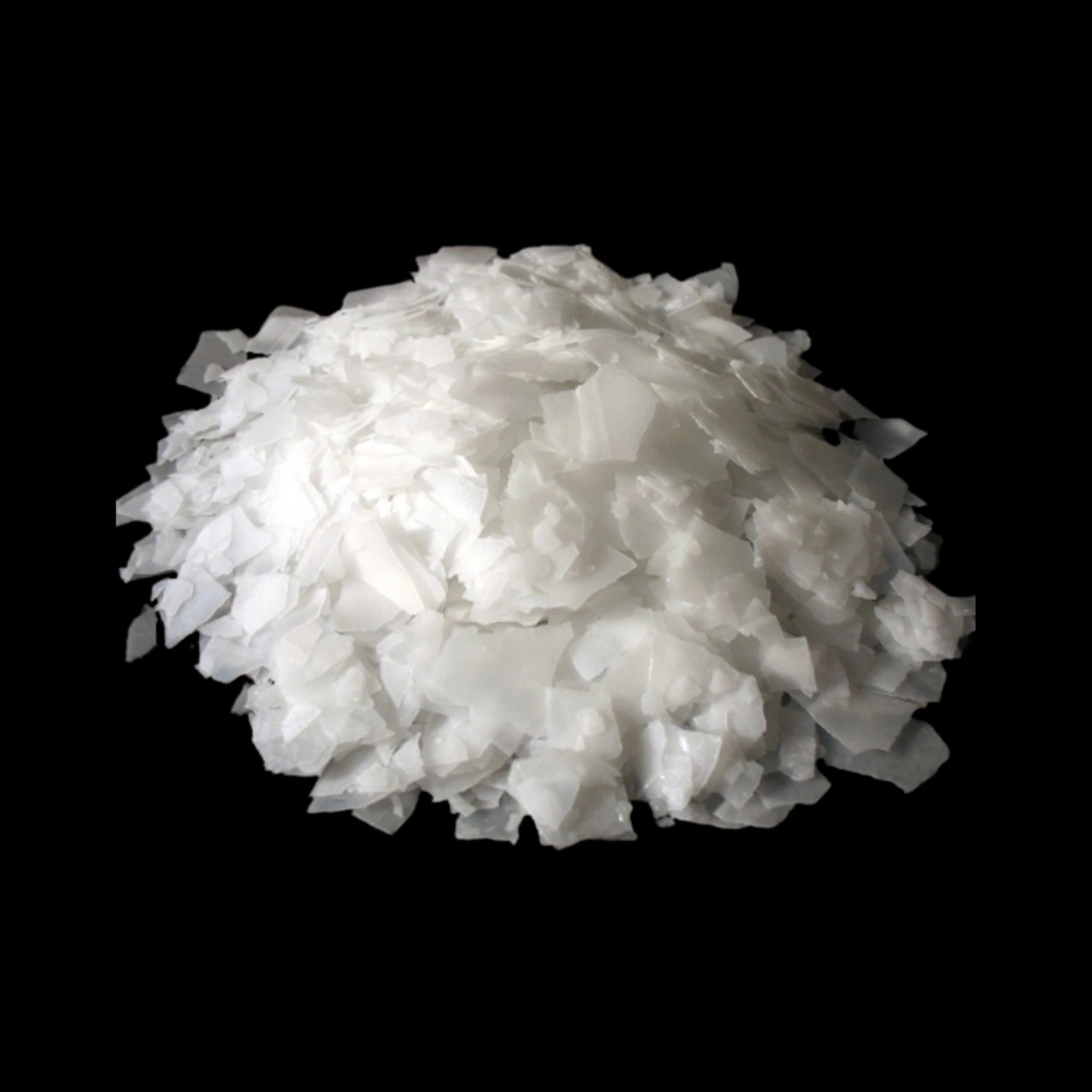
Caustic Soda Flakes
Market Implications
Delays in new production facilities can influence market dynamics beyond a single manufacturer.
Potential industry impacts include:
Slower growth in specialty chemical supply
Increased competition for available production capacity
Greater reliance on existing suppliers
Higher demand for alternative sourcing options
Continued investment in operational efficiency
Stronger focus on supply chain resilience across the agrochemical sector
Although long-term demand fundamentals remain positive, temporary capacity constraints can affect production planning throughout the industry.
Procurement Considerations
Procurement teams should proactively prepare for potential supply disruptions associated with delayed expansion projects.
Recommended strategies include:
Diversify sourcing across multiple qualified suppliers
Monitor supplier capacity expansion timelines
Secure long-term supply agreements where appropriate
Maintain strategic inventory of critical intermediates
Review supplier contingency plans
Strengthen communication with key manufacturing partners
A proactive procurement strategy helps minimize operational risks while improving supply continuity during periods of constrained production capacity.

Looking Ahead
Despite short-term project delays, investment in specialty chemical manufacturing continues to support the long-term growth of the agrochemical industry. As new production facilities become operational, additional capacity is expected to improve supply availability and strengthen market resilience.
For procurement professionals, monitoring capacity expansion projects and maintaining diversified sourcing strategies will remain essential as the specialty chemicals market continues to evolve. Companies that prepare for temporary disruptions today will be better positioned to meet future demand as new capacity gradually enters the market.
Key Takeaways
Delays in capacity expansion projects may temporarily affect specialty agrochemical intermediate supply.
Vishnu Chemicals identified commercialization delays as a potential business risk.
Supply constraints can influence lead times, pricing, and procurement planning.
Diversified sourcing and strategic inventory management can help reduce supply risks.
Long-term market fundamentals remain supported by continued demand for agrochemical products.
Found this useful?