Dow and Mura Technology Advance Advanced Recycling for Hard-to-Recycle Plastics
Advanced plastic recycling is moving further into commercial-scale development as Dow and Mura Technology continue their collaboration to convert difficult plastic waste into circular feedstocks. Mura's Hydro-PRT technology is designed to process mixed and contaminated flexible and rigid plastics, including multilayer films that conventional mechanical recycling can struggle to handle.
The development matters to chemical traders, procurement teams and packaging manufacturers because it expands the potential supply base for recycled feedstocks. Instead of treating difficult plastic waste solely as a disposal problem, advanced recycling can convert selected waste streams into hydrocarbon products that can re-enter plastic manufacturing.
Why Advanced Plastic Recycling Is Gaining Attention
Mechanical recycling remains an important route for recovering plastics, particularly where waste streams can be efficiently collected, sorted and processed. However, complex packaging structures, contamination and combinations of different materials can make some post-consumer plastics difficult to process through conventional systems.
Advanced recycling addresses part of this challenge through chemical or thermal conversion. Dow describes these systems as technologies that can enable previously difficult-to-recycle plastics to become feedstocks for new high-performance materials.
For chemical buyers, this creates another potential source of circular raw materials. It also changes the procurement discussion from recycled polymer availability toward the availability and quality of recycled chemical feedstocks.
How Mura's Hydro-PRT Technology Works
Mura Technology's Hydro-PRT process uses supercritical water to convert plastic waste into circular hydrocarbon products. The technology is designed for polyolefin-rich mixed waste streams, including contaminated flexible and rigid packaging.
The process is particularly relevant to flexible packaging because multilayer films can combine several materials and functional layers. Such structures can be difficult to separate economically through conventional mechanical recycling.
Mura says its technology can process flexible and rigid mixed plastics and produce hydrocarbon products that can be used to manufacture new plastics. This positions the process as a complementary technology rather than a direct replacement for mechanical recycling.
The distinction is important for procurement managers. Advanced recycling is most relevant where existing recycling infrastructure cannot efficiently recover the material or where the resulting recycled feedstock needs to meet demanding quality requirements.
Dow's Role in Building a Circular Feedstock Network
Dow is developing a broader advanced recycling ecosystem through partnerships with technology companies and feedstock suppliers. Its current advanced recycling strategy includes collaborations with Mura Technology, Xycle, Freepoint Eco-Systems and Plastogaz.
The company's 2025 progress report states that Dow commercialized 190 kilotons of circular and renewable solutions during 2025 and continued investments aimed at increasing access to circular feedstocks.
Dow has also set a target to transform waste and alternative feedstocks into 3 million metric tons of circular and renewable solutions annually by 2030. That target gives advanced recycling projects a broader commercial context, as Dow seeks to integrate alternative feedstocks into its existing materials business.
For buyers, this ecosystem approach could eventually provide access to circular materials through established chemical production and distribution channels rather than through isolated recycling projects.
The Commercial Scale-Up of Mura's Technology
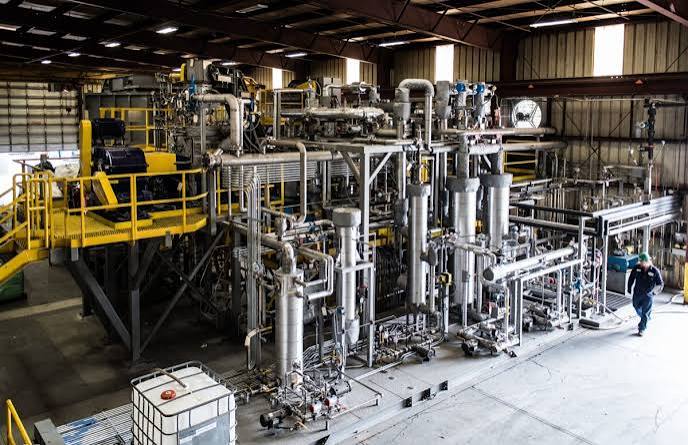
Mura's Wilton facility in Teesside, UK, represents a major step in the commercial development of Hydro-PRT. The site has a planned capacity of 20 kilotons per year of circular hydrocarbon products and is designed to process flexible and rigid mixed plastics, including films and plastic packaging.
The facility's output is intended for customers including Dow and Neste, linking advanced recycling directly with established chemical and polymer value chains. Mura also says its broader development strategy includes facilities owned by Mura and projects delivered through licensing arrangements.
Mura is also expanding its global footprint. The company announced plans for a 50 kilotonnes per annum facility in Singapore, with potential expansion to 100 kilotonnes per annum, targeting regional plastic waste streams and circular hydrocarbon production.
These developments show how advanced recycling is moving from individual technology demonstrations toward a network of commercial facilities.
What This Means for Flexible Plastic Feedstocks
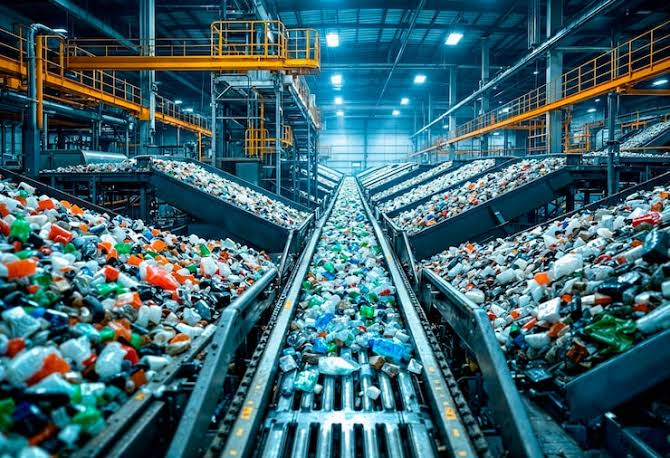
Flexible packaging represents an important target for advanced recycling because its material structures can be difficult to recover through conventional mechanical processes. Films, pouches and multilayer packaging may contain combinations of polymers, coatings or other functional layers that complicate sorting and processing.
Mura specifically identifies contaminated post-consumer flexible and rigid packaging as target feedstocks for Hydro-PRT. Its technology is intended to complement mechanical recycling by addressing waste streams that are less suitable for traditional processing.
This could create new commercial opportunities for waste aggregators, chemical recyclers and polymer producers. Feedstock preparation and quality control will remain essential because advanced recycling facilities still require appropriate material streams to operate efficiently.
For traders, several feedstock characteristics will become increasingly important:
Polymer composition: Understanding whether a waste stream contains sufficient target plastics can help determine its suitability for advanced recycling.
Contamination levels: Food residues, metals and other contaminants can influence feedstock preparation requirements.
Consistency: Commercial facilities need predictable feedstock availability rather than occasional volumes of mixed waste.
Traceability: Documentation of waste origin and processing can support circular-content claims and supply-chain requirements.
Circular Feedstocks Could Reshape Polymer Procurement
The commercial value of advanced recycling extends beyond waste management. The output can become a feedstock for producing new plastics, creating a link between waste collection and conventional chemical manufacturing.
Dow states that advanced recycling can enable plastics that were previously considered non-recyclable to return to high-performance applications. Its approach includes using circular feedstocks to manufacture new circular plastics.
This model could become increasingly relevant to packaging producers facing customer requirements for recycled content. It may also help manufacturers access recycled feedstocks while maintaining material performance requirements associated with demanding applications.
For procurement teams, the commercial assessment should cover more than the recycled-content percentage. Buyers should evaluate feedstock origin, certification, mass-balance methodology where applicable, material specifications, supply commitments and pricing structures.
Supply Chain Considerations for Chemical Traders
Advanced recycling creates a new intersection between the waste, chemical and polymer markets. Traders that traditionally focus on virgin petrochemical products may increasingly encounter circular feedstocks as part of supplier portfolios.
The supply chain can involve several participants, including:
Waste collection companies that aggregate suitable post-consumer materials.
Sorting and preparation companies that create consistent feedstock streams.
Advanced recycling operators that convert plastic waste into circular hydrocarbons.
Chemical producers that integrate those feedstocks into polymer production.
Packaging and consumer goods manufacturers that purchase products containing recycled or circular material.
This structure creates opportunities for specialized trading and distribution services. Companies that can provide reliable feedstock sourcing, documentation and cross-border logistics may become valuable links between recycling facilities and chemical buyers.
Investment Signals Across the Advanced Recycling Market
Dow's collaboration with Mura forms part of a wider expansion in advanced recycling capacity. Dow's 2025 progress report also identified its investment in Xycle, supporting construction of a commercial-scale facility in Rotterdam that is expected to start up by Q4 2026 with projected capacity to process 21 kilotons of plastic waste annually.
At the same time, Mura continues to develop its own facilities and licensed projects internationally. The company has stated an ambition to reach 1.5 million tonnes of annual recycling capacity in operation or development by 2032.
These projects indicate that advanced recycling is becoming part of a wider industrial strategy rather than remaining limited to laboratory or demonstration-scale applications. The commercial test will be whether facilities can secure suitable feedstock, achieve reliable operation and deliver circular products at competitive economics.
What Procurement Teams Should Monitor Next
Procurement professionals evaluating circular plastics should monitor both technology development and commercial supply conditions. A recycling technology can demonstrate technical performance while still requiring further development before it can support large, predictable purchasing programs.
Key indicators include:
Facility commissioning: Operational milestones provide a clearer indication of when commercial feedstock may become available.
Production consistency: Buyers should monitor whether facilities can maintain stable output quality and volume.
Certification: Circular-content certification can become important when recycled material supports regulatory or customer requirements.
Feedstock security: Long-term access to suitable plastic waste is essential for reliable plant utilization.
End-product qualification: Circular feedstocks must meet the technical requirements of downstream polymer and packaging applications.
Delivered economics: Procurement teams should compare circular feedstocks against virgin alternatives while accounting for sustainability and compliance requirements.
The strongest commercial opportunities will likely emerge where recycling technology connects directly with established chemical production assets and long-term customers.
The Bottom Line for Circular Plastics Buyers
Dow and Mura Technology's collaboration illustrates how advanced recycling is being developed to address plastic waste streams that conventional mechanical recycling cannot always process efficiently. Mura's Hydro-PRT technology targets mixed and contaminated flexible and rigid plastics, converting them into circular hydrocarbon products that can support new plastic production.
For chemical traders and procurement teams, the development highlights a growing market for circular feedstocks alongside conventional polymers and petrochemical raw materials. The commercial opportunity will depend on plant availability, feedstock quality, certification, production consistency and competitive delivered costs.
As more advanced recycling facilities move toward commercial operation, buyers should track available circular feedstocks alongside conventional sourcing options. Early visibility into suppliers, specifications and certification requirements can help procurement teams prepare for a market where recycled chemical feedstocks become a more established part of polymer supply chains.
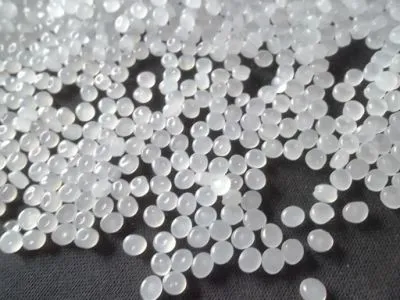
Low Density Polyethylene (LDPE)
Found this useful?