Yara Walks Away From Louisiana Ammonia Deal, Commits $1.3 Billion to Gulf Coast Ammonia
Introduction
Yara International has confirmed it will not proceed with acquiring ammonia assets linked to the Louisiana Clean Energy Complex, choosing instead to put $1.3 billion toward the Gulf Coast Ammonia plant in Texas City. For chemical traders and fertilizer buyers tracking North American nitrogen supply, this is not a minor reshuffle. It marks a deliberate shift in where one of the world's largest ammonia producers is placing its capital and why.
The decision says as much about capital discipline as it does about ammonia itself. Yara passed on one opportunity and moved decisively on another, and that contrast is worth unpacking for anyone sourcing ammonia or downstream nitrogen products.
Why Yara Walked Away From the Louisiana Deal
Yara's move away from the Louisiana Clean Energy Complex assets came down to returns. The company had evaluated the opportunity alongside its broader capital allocation framework and determined the financial case did not clear its bar.
This is a useful reminder for procurement teams. Even a major consuming producer with strong balance sheet metrics will pass on assets that do not meet return thresholds, regardless of strategic appeal on paper.
A few things stand out about the decision:
Yara maintained a Net debt to EBITDA ratio of 1.00 as of the first quarter of 2026, giving it room to be selective rather than opportunistic.
The company had already flagged an ammonia investment framework at its January 2026 Capital Markets Day, which appears to have guided this choice.
Passing on one deal freed capital and management bandwidth for a transaction Yara judged more attractive.
Inside the $1.3 Billion Gulf Coast Ammonia Purchase
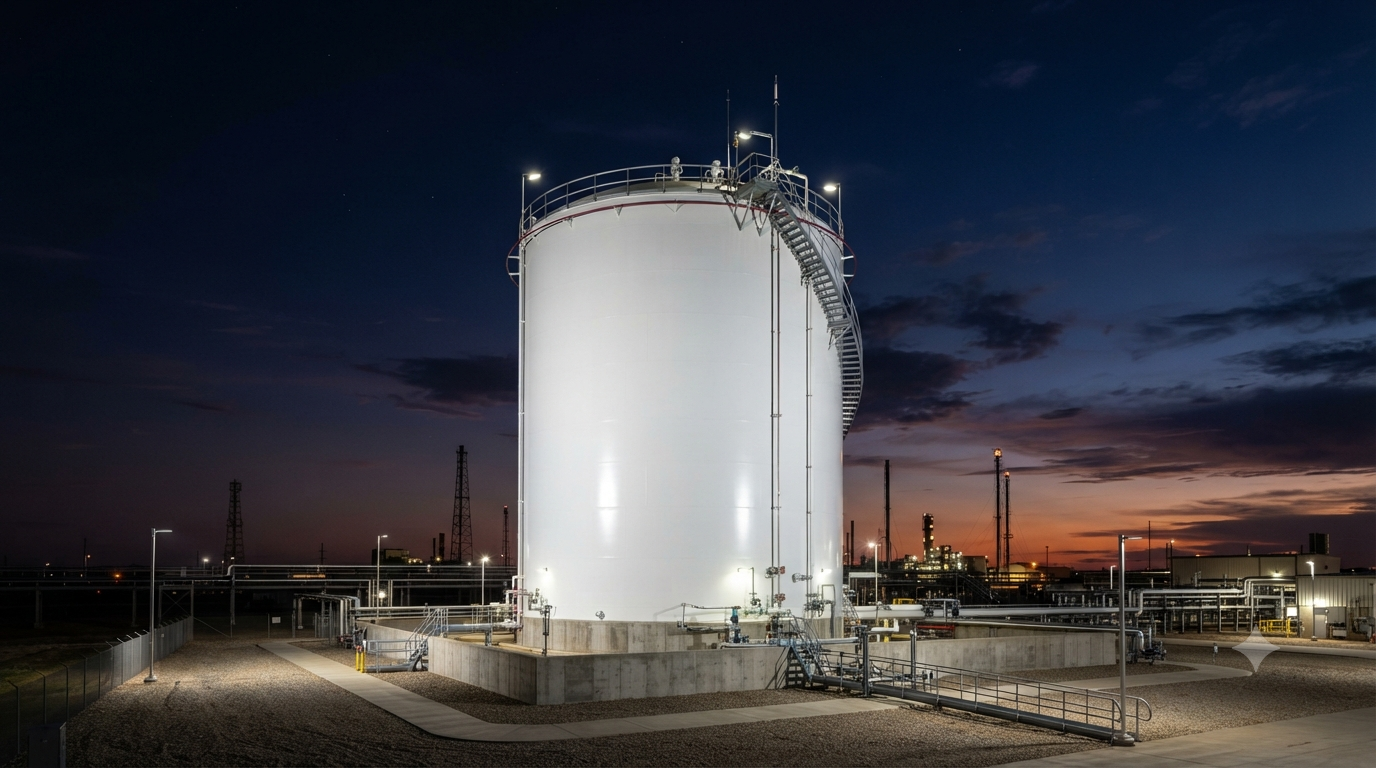
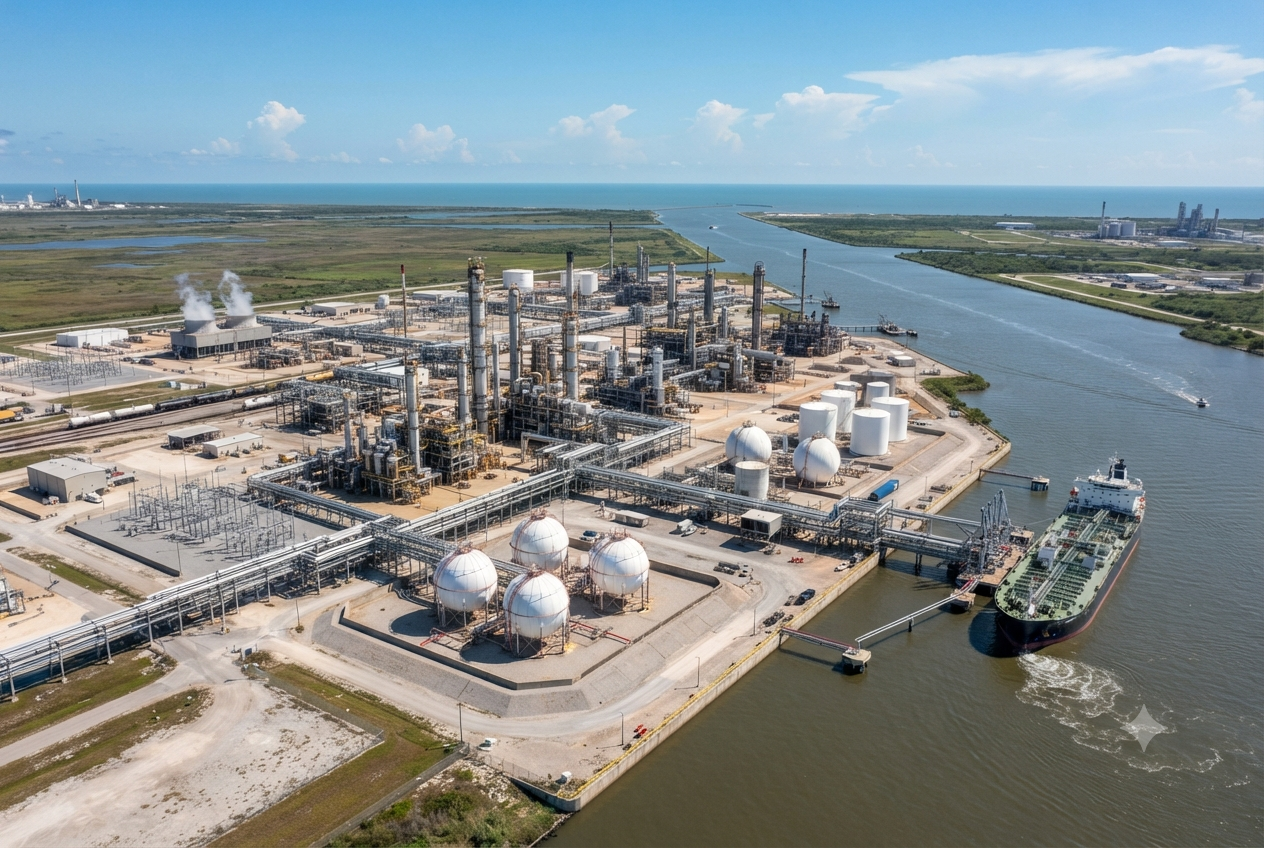
The asset Yara chose instead is the Gulf Coast Ammonia facility in Texas City, acquired from entities affiliated with Lotus Infrastructure Partners and MB Energy. The plant carries a nameplate capacity of 1.3 million metric tons of ammonia per year and is currently in a commissioning phase, with stable operations expected by the end of 2026.
The purchase price of $1.3 billion pushes Yara's total 2026 capital expenditure to roughly $2.5 billion. That figure still sits within the ammonia investment range the company outlined earlier in the year, so this is not an off-plan splurge. It is capital that was always earmarked for ammonia, simply redirected toward a different asset.
What the Texas City Plant Brings to Yara's Portfolio
The acquisition includes the ammonia synthesis loop along with related storage and exclusive use of loading infrastructure at the site. Hydrogen and nitrogen supply come through a long-term contract with Air Products, which operates the largest hydrogen pipeline network in the United States.
That arrangement mirrors Yara's existing setup at its Freeport, Texas operation, where a similar hydrogen supply model has supported consistent output. A few operational points matter here for buyers assessing supply reliability:
The plant is positioned on the US Gulf Coast, giving Yara direct exposure to Henry Hub natural gas pricing, a cost input that heavily influences ammonia economics.
The Air Products partnership extends to a previously announced agreement covering renewable ammonia from the NEOM Green Hydrogen project in Saudi Arabia.
The site could support a gradual move into lower carbon ammonia production, though that path depends on regulatory clarity and commercial feasibility.
How This Reshapes US Ammonia Supply
Yara's decision adds meaningful scale to its North American ammonia footprint at a time when several producers are evaluating Gulf Coast expansion for the same reasons: competitive natural gas pricing and access to export infrastructure. Full ownership of the Texas City plant gives Yara direct control over a large, modern asset rather than a stake or offtake arrangement.
For the broader market, this matters because ammonia supply concentrated in fewer, larger and more efficient facilities tends to change how contracts get negotiated. Buyers dealing with fewer but bigger counterparties often see different pricing dynamics than in a fragmented supplier base.
Price and Supply Signals for Buyers
Ammonia pricing is sensitive to natural gas costs, and the Gulf Coast acquisition increases Yara's exposure to that variable in a region known for lower gas prices relative to Europe. This can work in favor of downstream buyers if efficiency gains get passed through, though that is not guaranteed in the near term.
Buyers should keep an eye on a few signals as the plant ramps toward full capacity by the end of 2026:
Utilization rates at the Texas City site, since a facility still commissioning can behave unpredictably on delivery schedules.
Any updates on the renewable ammonia agreement tied to the NEOM project, which could eventually affect low carbon product availability.
Yara's ongoing capital allocation commentary, since further US ammonia moves are plausible given the stated investment framework.
What Procurement Teams Should Watch
Procurement professionals sourcing ammonia or nitrogen-based fertilizer inputs should treat this deal as a data point rather than an isolated headline. It reflects where a major producer sees the strongest near term returns, and that view often precedes broader market repositioning.
Teams managing supply contracts may want to:
Revisit supplier diversification plans given the consolidation of Gulf Coast ammonia capacity under fewer owners.
Track commissioning progress at Texas City, since delays could tighten spot availability in the region.
Watch for follow-on announcements from competitors reacting to Yara's capital move.
The Bottom Line for Ammonia Buyers
Yara's choice to walk away from the Louisiana Clean Energy Complex assets and instead commit $1.3 billion to Gulf Coast Ammonia is a clear statement of where the company sees value right now. The Texas City plant offers scale, favorable gas exposure and an established operating model, all of which support Yara's broader ammonia strategy through 2026 and beyond.
For traders and buyers, the takeaway is straightforward. Watch how quickly the plant reaches stable operations, and stay alert to how this consolidation shapes pricing and availability across the Gulf Coast ammonia market. Ready to source ammonia from verified global suppliers? Explore competitive offers on our platform today.
Ammonia Anhydrous
Found this useful?