Yara's Green Ammonia Strategy and the Future of Fertilizer Procurement | ChemicalsBlog.com
Agrochemicals & Fertilizers
schedule4 Min Read
Yara's Sales Growth and Green Ammonia: How Today's Recovery Is Shaping Tomorrow's Fertilizer Market
terminal
prodchem
Jul 10, 2026
The global fertilizer industry has experienced a strong turnaround over the past year. According to C&EN's Global Top 50 Chemical Companies 2026, major fertilizer producers including Yara International, Nutrien, Mosaic, and OCP recorded significant sales growth as fertilizer markets recovered from the downturn experienced between 2022 and 2024.
Among these companies, Yara occupies a unique position. While benefiting from stronger fertilizer markets, the company is also one of the world's leading investors in green ammonia, positioning itself at the forefront of the transition toward lower-carbon fertilizer production.
For procurement professionals, Yara's improving financial performance is more than a business success story it provides insight into how future nitrogen fertilizer markets may evolve as sustainability becomes increasingly important.
A Strong Financial Recovery
After several challenging years marked by volatile energy prices and changing fertilizer demand, the fertilizer market has shown renewed strength.
Higher fertilizer prices and improving market conditions have supported stronger revenues for many global producers.
This financial recovery allows companies to:
Invest in new production technologies
Modernize manufacturing facilities
Expand sustainability initiatives
Improve operational efficiency
Develop lower-carbon fertilizer products
For companies with ambitious investment plans, stronger earnings provide the capital needed to accelerate long-term projects.
What Is Green Ammonia?
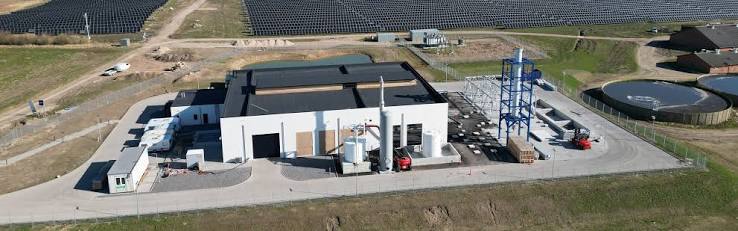
Green ammonia is produced using hydrogen generated through water electrolysis powered by renewable electricity, rather than hydrogen derived from natural gas.
The production process generally involves:
Renewable electricity powers an electrolyzer.
Water is split into hydrogen and oxygen.
Hydrogen is combined with nitrogen from the air.
Ammonia is produced using the Haber-Bosch process.
Because renewable energy replaces fossil fuels in hydrogen production, green ammonia offers the potential for significantly lower carbon emissions.
Why Procurement Teams Should Pay Attention
Sustainability is becoming an increasingly important factor in fertilizer procurement.
Many organizations are preparing for:
Carbon reporting requirements
Sustainability commitments
Environmental performance targets
Customer expectations for lower-carbon products
Future regulatory developments
As green ammonia production expands, procurement teams may gain access to additional fertilizer options that support both operational and sustainability objectives.
Planning for the Future
While conventional ammonia will continue to play a major role in global fertilizer supply for years to come, investment in green ammonia is steadily increasing.
Organizations developing long-term procurement strategies should begin monitoring:
Commercial production timelines
Product availability
Regional supply developments
Sustainability certifications
Long-term supply partnerships
Pricing trends
Early engagement with suppliers investing in lower-carbon technologies may provide strategic advantages as these products become more widely available.
Building a Balanced Nitrogen Fertilizer Strategy
A resilient procurement strategy should balance current supply reliability with future market developments.
Best practices include:
Maintaining diversified supplier portfolios
Monitoring technological developments
Evaluating sustainability initiatives
Assessing long-term production investments
Reviewing environmental reporting requirements
Planning for evolving customer expectations
This balanced approach supports both supply security and long-term business resilience.
Looking Ahead
The latest fertilizer market recovery has strengthened the financial position of many leading producers, enabling greater investment in future technologies. Yara's continued focus on green ammonia demonstrates how today's commercial success can support tomorrow's lower-carbon fertilizer industry.
For procurement professionals, monitoring these developments is increasingly important. As green ammonia production expands and sustainability becomes a larger part of procurement decision-making, organizations that engage early with emerging technologies and forward-looking suppliers will be better prepared for the next phase of the global fertilizer market.
Key Takeaways
Global fertilizer producers have experienced strong sales growth as market conditions improved.
Green ammonia is emerging as a lower-carbon alternative to conventional ammonia production.
Financial recovery enables fertilizer companies to invest in new production technologies.
Procurement teams should monitor developments in sustainable fertilizer production.
Long-term sourcing strategies should balance supply reliability with evolving sustainability goals.
Supply chainSustainable AgricultureFertilizer IndustryNitrogen FertilizerAgrochemicalsammoniaGreen AmmoniaGreen Ammonia MarketAmmonia Supply ChainAmmonia ExportsAmmonia SupplyAmmonia Procurementammonia marketammonia suppliersYara InternationalC&EN Global Top 50