Yemen's Internal Divide Deepens Amid the Houthi Embargo Declaration
Introduction
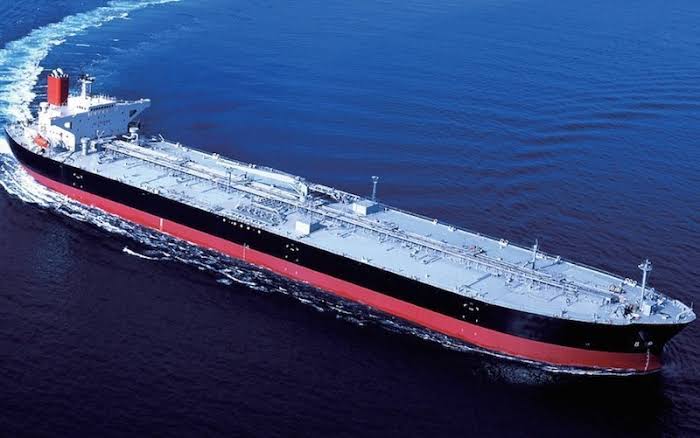
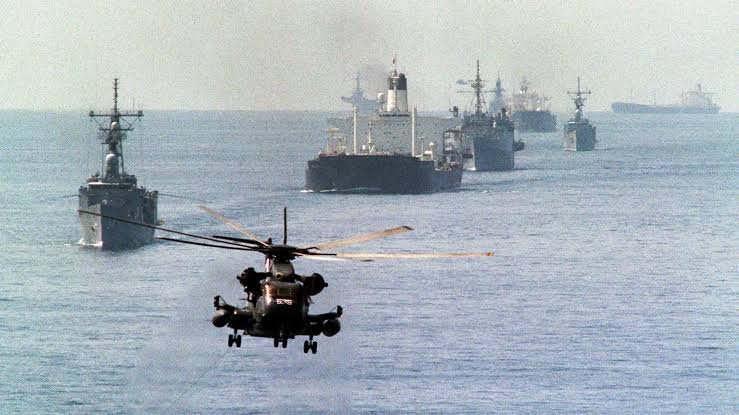
Yemen's political and humanitarian crisis has entered another critical phase following the Houthi movement's latest embargo declaration. The announcement has intensified the country's internal divisions while adding new uncertainty to regional trade, maritime security, and global supply chains. Although the full scope and enforcement of the embargo continue to evolve, businesses with exposure to the Middle East are closely monitoring developments for potential impacts on shipping, energy markets, and procurement operations.
For industries reliant on trade through the Red Sea and the Gulf region—including chemicals, pharmaceuticals, food ingredients, and energy products—the situation highlights the growing importance of geopolitical risk management in supply chain planning.
Understanding the Embargo's Significance
The embargo declaration is more than a political statement. It has the potential to influence commercial shipping, regional logistics, and international trade flows if enforcement affects maritime traffic or cargo movements.
Key concerns include:
Increased uncertainty for commercial vessels.
Heightened security risks in nearby shipping lanes.
Potential disruptions to regional trade.
Greater operational challenges for logistics providers.
Rising compliance requirements for businesses operating in the region.
These developments can increase costs even when trade continues to flow.
Yemen's Internal Divide Continues to Widen
The embargo also reflects Yemen's ongoing political fragmentation, with competing authorities maintaining control over different parts of the country.
This internal divide creates:
Uncertainty regarding governance and regulatory enforcement.
Challenges for humanitarian and commercial operations.
Increased risks for infrastructure and transportation networks.
Greater difficulty in restoring long-term economic stability.
For international businesses, a fragmented political landscape makes long-term planning significantly more complex.
Implications for Global Shipping
The waters surrounding Yemen remain among the world's most strategically important maritime corridors, linking the Red Sea with the Gulf of Aden and the Indian Ocean.
Shipping companies may respond by:
Increasing maritime security measures.
Reviewing voyage risk assessments.
Adjusting vessel routing where necessary.
Factoring higher insurance premiums into freight pricing.
Allowing additional transit time for sensitive routes.
Even precautionary measures can contribute to higher transportation costs.
Supply Chain Impact Across Key Industries
Any disruption to regional shipping routes can affect multiple global industries that depend on predictable maritime logistics.
Sectors most exposed include:
Companies importing or exporting through the Red Sea corridor should continue monitoring logistics conditions closely.
Procurement Strategies During Heightened Geopolitical Risk
To reduce exposure to uncertainty, procurement and logistics teams should strengthen their resilience strategies.
Recommended actions include:
Monitor Regional Developments
Track geopolitical events, maritime security advisories, and government guidance that could affect shipping operations.
Diversify Sourcing and Logistics
Reduce dependence on a single supplier, shipping route, or regional distribution hub whenever practical.
Review Freight and Insurance Costs
Monitor changes in freight rates, fuel surcharges, and war-risk insurance premiums that may influence total landed costs.
Strengthen Supplier Communication
Maintain regular coordination with suppliers and logistics providers to identify potential delays and contingency options.
Update Business Continuity Plans
Ensure procurement and inventory strategies can adapt quickly if regional disruptions intensify.
What Businesses Should Watch
Organizations with global supply chains should continue monitoring:
Maritime security developments in the Red Sea and Gulf of Aden.
Shipping route adjustments by major carriers.
Changes in freight rates and marine insurance.
Regional diplomatic initiatives.
Port operations across the Middle East.
Energy market volatility linked to geopolitical events.
Staying informed enables faster decision-making and minimizes operational disruption.
Conclusion
Yemen's deepening internal divisions and the latest Houthi embargo declaration underscore the close relationship between geopolitical instability and global commerce. While the long-term implications remain uncertain, businesses should prepare for continued volatility in maritime logistics, freight costs, and regional trade.
Companies that integrate geopolitical intelligence into procurement, diversify supply chains, and maintain flexible logistics strategies will be better equipped to navigate the challenges posed by evolving conditions in one of the world's most strategically important trade corridors.