Zinc Oxide: Industrial Uses in Rubber, Ceramics and Coatings
Zinc oxide is one of the most important inorganic compounds used in industrial manufacturing. Its ability to support rubber vulcanisation, improve ceramic properties and contribute to coating performance makes it a valuable raw material across multiple sectors.
With the chemical formula ZnO, zinc oxide appears as a fine white powder that offers useful thermal, chemical and optical properties. Rubber manufacturers rely on it as an activator, ceramic producers use it to influence glaze and material behaviour, while coatings manufacturers incorporate it into selected formulations for functional performance.
For chemical traders, procurement managers, importers and industrial buyers, understanding zinc oxide applications helps identify suitable grades, evaluate suppliers and maintain consistent manufacturing quality.
What Is Zinc Oxide and How Is It Produced?
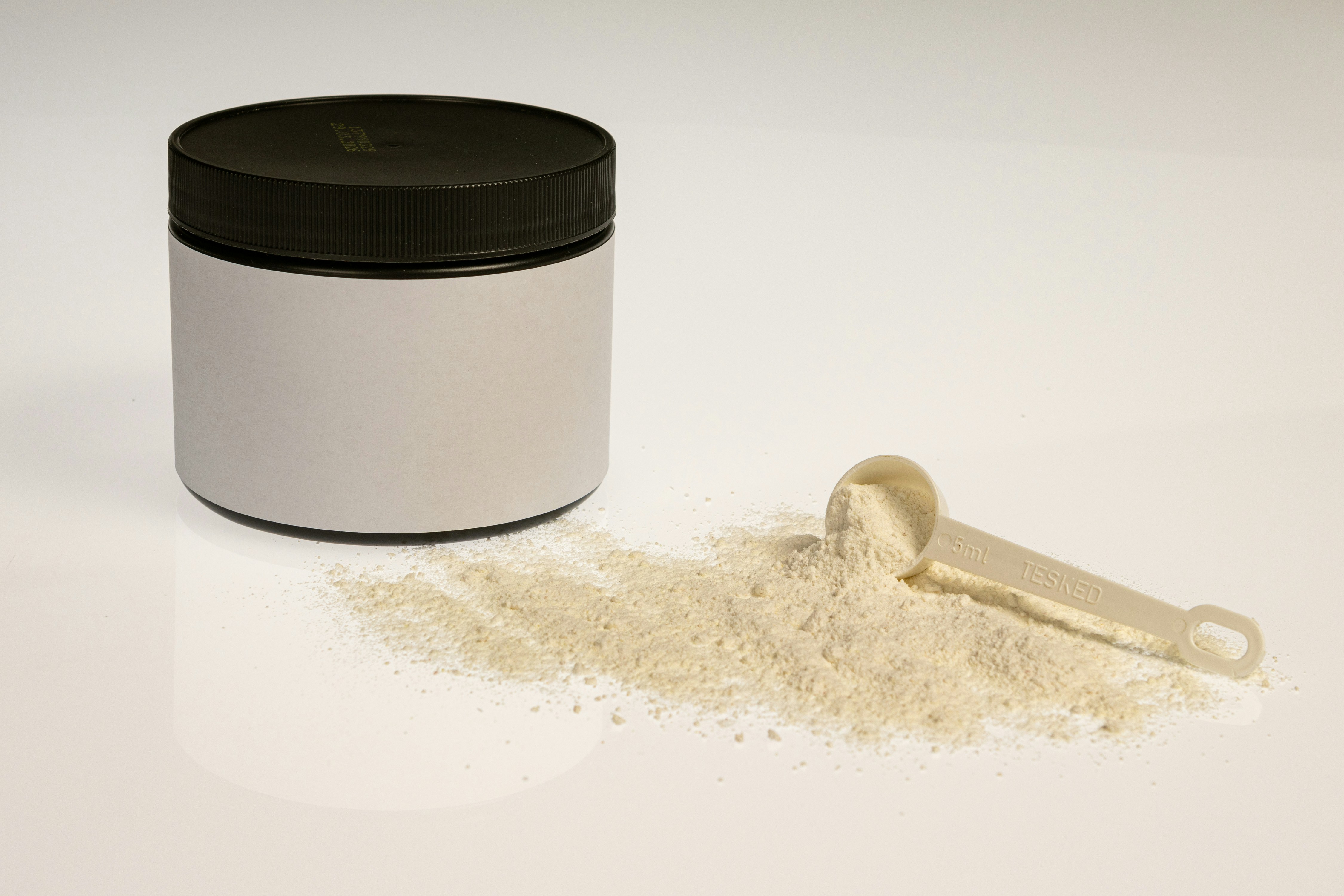
Zinc oxide is an inorganic compound formed from zinc and oxygen. It is commonly available as a white powder and serves as a functional ingredient in rubber, ceramics, paints, plastics and other industrial products.
DCCEEW
Manufacturers produce zinc oxide through several industrial processes. The selected method influences particle characteristics, purity, surface properties and suitability for specific applications.
The French Process
The French process, also known as the indirect process, is a widely used manufacturing method.
In this process, manufacturers heat metallic zinc until it vaporises. The zinc vapour reacts with oxygen in the air, forming zinc oxide particles.
The resulting material undergoes cooling, collection and quality control before manufacturers package it for industrial use.
This process allows producers to control particle characteristics and produce zinc oxide grades suitable for demanding applications, including rubber compounding and coatings.
The American Process
The American process, also called the direct process, uses zinc-containing raw materials such as zinc ores or zinc-bearing residues.
Manufacturers heat these materials with carbon under controlled conditions. The resulting zinc vapour reacts with oxygen to form zinc oxide.
The process may produce material with a different impurity profile compared with the French process. Buyers should therefore evaluate the actual product specifications rather than selecting a grade based only on its manufacturing route.
Important Physical and Chemical Properties
Zinc oxide offers several characteristics that support its industrial applications:
White appearance: Suitable for applications requiring a white pigment or light-coloured material.
Thermal stability: Supports applications involving elevated processing temperatures.
Chemical functionality: Participates in rubber vulcanisation and other industrial reactions.
Optical properties: Provides useful light-scattering and UV-absorption characteristics.
Compatibility: Works with different formulations depending on particle size and surface properties.
These properties make zinc oxide a versatile material for industrial manufacturers.
Zinc Oxide Uses in Rubber Manufacturing
Rubber manufacturing represents one of the most important applications of zinc oxide. The compound plays a central role in vulcanisation, a chemical process that improves rubber strength, elasticity and durability.
Manufacturers use zinc oxide in natural rubber and several synthetic rubber formulations.
Zinc Oxide as a Vulcanisation Activator
Vulcanisation involves creating crosslinks between rubber polymer chains. These crosslinks help improve the mechanical performance and stability of rubber products.
In many conventional sulphur-based rubber systems, zinc oxide works with stearic acid to activate the curing process.
The zinc-containing reaction species help improve the efficiency of sulphur vulcanisation. This supports the development of the required rubber properties during processing.
Zinc oxide is commonly used in manufacturing:
Automotive tyres and tyre components.
Conveyor belts.
Industrial rubber hoses.
Seals and gaskets.
Footwear soles.
Rubber rollers and mechanical components.
The appropriate dosage depends on the rubber formulation, curing system and required product performance.
Improving Rubber Performance
Zinc oxide contributes to the performance of vulcanised rubber by supporting the curing process.
Proper formulation can help manufacturers achieve the required balance of tensile strength, elasticity, abrasion resistance and durability.
However, zinc oxide does not independently determine the final properties of rubber. Other ingredients, including sulphur, accelerators, fillers, polymers and processing oils, also influence product performance.
Rubber manufacturers must optimise the complete formulation to achieve consistent quality.
Zinc Oxide in Tyre Manufacturing
Tyre production requires carefully controlled rubber compounds for different components, including tread, sidewalls and inner liners.
Zinc oxide supports the curing systems used in these compounds. Its quality and dispersion can influence manufacturing consistency and curing behaviour.
Tyre manufacturers typically evaluate zinc oxide purity, particle characteristics and compatibility with their rubber formulations.
Reliable chemical sourcing helps reduce batch variation and supports consistent production.
Zinc Oxide Applications in Ceramics and Glass
Zinc oxide serves as a useful ingredient in ceramic glazes, frits and selected glass formulations. Its chemical behaviour at elevated temperatures allows manufacturers to modify the properties of ceramic materials.
Ceramic Glazes and Frits
Ceramic glazes create protective and decorative surfaces on tiles, sanitaryware, tableware and other ceramic products.
Zinc oxide can act as a flux in selected glaze formulations, helping modify melting behaviour and the properties of the fired surface.
Its inclusion may influence:
Glaze melting temperature.
Surface gloss and appearance.
Thermal expansion characteristics.
Chemical resistance.
Interaction with other glaze ingredients.
The final effect depends on the complete glaze composition, firing temperature and manufacturing conditions.
Ceramic manufacturers must test formulations carefully because zinc oxide can produce different results depending on the other oxides present.
Improving Ceramic Material Performance
Zinc oxide also appears in selected ceramic compositions where manufacturers need to control thermal, electrical or chemical properties.
It can contribute to the development of specialised ceramic materials used in electronic components, sensors and other technical applications.
These applications generally require controlled purity and particle characteristics. Procurement teams should confirm the intended ceramic application before selecting a commercial grade.
Glass Manufacturing
Zinc oxide can serve as a component in selected glass formulations.
It may influence refractive properties, thermal behaviour and chemical durability, depending on the glass composition.
Manufacturers use it in specialised glasses and glass-related materials where the required optical or physical properties justify its inclusion.
Zinc Oxide Uses in Industrial Coatings
Zinc oxide contributes to selected paint and coating formulations through its pigment, optical and functional properties.
Although titanium dioxide remains a major white pigment in many coatings, zinc oxide can provide specific benefits in formulations designed for particular performance requirements.
Pigment and Functional Additive
Zinc oxide provides a white appearance and can contribute to opacity and light scattering.
Coatings manufacturers may use it in selected paints, primers and specialised protective formulations.
Its suitability depends on factors such as:
Particle size and distribution.
Pigment concentration.
Binder compatibility.
Dispersion quality.
Desired surface appearance.
Exposure conditions.
Zinc oxide should not be treated as a universal replacement for other pigments. Formulators must evaluate its performance within the complete coating system.
UV Protection and Weathering Performance
Zinc oxide absorbs and scatters ultraviolet radiation. This property makes it useful in selected coatings and protective formulations where UV-related performance matters.
Its effectiveness depends on particle characteristics, concentration and interactions with other coating ingredients.
Manufacturers may evaluate zinc oxide in coatings designed for outdoor exposure, specialised protective applications and selected polymer-based systems.
Corrosion Protection
Zinc oxide appears in certain protective coating formulations, including selected primers and corrosion-control systems.
Its contribution depends on the coating chemistry and the other active ingredients present. Zinc oxide itself should not be confused with metallic zinc coatings, which protect steel through different mechanisms.
For industrial buyers, the important consideration is whether the supplied grade meets the formulation's technical and performance requirements.

Other Industrial Applications of Zinc Oxide
Zinc oxide supports several additional manufacturing sectors where its chemical and physical properties provide practical value.
Plastics and Polymer Manufacturing
Plastic manufacturers incorporate zinc oxide into selected polymer formulations to provide functional properties.
Its applications may include:
UV protection in selected plastic products.
Pigment and colour formulation.
Rubber-plastic composite manufacturing.
Specialised polymer processing.
The performance of zinc oxide in plastics depends on its dispersion, particle size and compatibility with the polymer matrix.
Chemical Manufacturing
Zinc oxide serves as a raw material for producing other zinc compounds, including zinc salts used in industrial formulations.
Manufacturers use it in the production of selected chemicals, catalysts and specialised materials.
Its chemical reactivity also makes it useful in certain industrial processes that require zinc-containing compounds.
Factors Affecting Zinc Oxide Quality
Industrial buyers should evaluate zinc oxide specifications according to their intended application. A grade suitable for rubber compounding may not meet the requirements of ceramic or specialised coating production.
Purity and Chemical Composition
Purity influences the consistency and suitability of zinc oxide for industrial manufacturing.
Buyers should review:
Zinc oxide content.
Lead and other heavy metal impurities.
Moisture content.
Insoluble matter.
Particle size distribution.
Surface characteristics.
For rubber manufacturing, buyers should also assess the material's compatibility with the curing system.
Particle Size and Dispersion
Particle size can influence how zinc oxide behaves during manufacturing.
Fine particles may improve dispersion and increase the available surface area for chemical interactions. However, the appropriate particle characteristics depend on the intended formulation.
Rubber manufacturers generally focus on dispersion and curing performance, while coatings producers may prioritise pigment behaviour and surface appearance.
Ceramic manufacturers evaluate particle characteristics alongside firing behaviour and glaze composition.
Packaging and Storage
Zinc oxide is commonly supplied as a dry powder in industrial bags or other suitable packaging.
Proper storage helps maintain product quality and prevents contamination.
Buyers should consider:
Moisture-resistant packaging.
Clean and dry warehouse conditions.
Protection from contamination.
Proper sealing after opening.
Supplier recommendations for storage and handling.
These practices help preserve material consistency during transportation and storage.
Global Supply Chain and Procurement Considerations
Zinc oxide procurement involves evaluating product specifications, supplier reliability, transportation costs and manufacturing requirements.
The supply chain depends on metallic zinc, zinc-containing raw materials and the production processes used by manufacturers.
Changes in raw material availability and processing costs can influence supplier quotations and purchasing conditions.
Selecting Reliable Zinc Oxide Suppliers
Procurement teams should evaluate suppliers based on technical capability and consistent product quality.
Important documentation includes:
Certificate of Analysis (COA).
Safety Data Sheet (SDS).
Technical Data Sheet (TDS).
Product origin information.
Batch identification.
Relevant quality certifications.
Buyers should request samples and conduct application testing before approving a new supplier, particularly when zinc oxide directly affects product performance.
Commercial and Transportation Considerations
Zinc oxide is generally transported as a packaged solid. Buyers should evaluate packaging quality, freight costs and shipment handling requirements.
For international procurement, important considerations include:
Product grade and purity.
Order volume and minimum purchase quantities.
Packaging specifications.
Freight and insurance expenses.
Delivery schedules.
Payment conditions.
Supplier production capacity.
Comparing the total landed cost helps buyers assess supplier quotations more accurately.
Environmental and Operational Considerations
Zinc oxide supports several industrial applications, but manufacturers should manage its use responsibly.
Fine zinc oxide powder can create airborne dust during handling. Facilities should apply suitable dust-control measures and follow the supplier's safety documentation.
Manufacturers should also consider the environmental impact of zinc-containing wastewater and production residues.
Responsible practices include:
Using suitable dust collection systems.
Providing appropriate personal protective equipment.
Preventing uncontrolled discharge of zinc-containing materials.
Managing industrial waste according to applicable regulations.
Monitoring chemical consumption and production efficiency.
Rubber and coatings manufacturers should also review zinc-related environmental requirements relevant to their products and markets.
What Industrial Buyers Should Consider Before Purchasing
Zinc oxide procurement requires a clear understanding of the intended application. Rubber manufacturers focus on vulcanisation performance, ceramic producers evaluate glaze behaviour and coatings manufacturers prioritise pigment characteristics and formulation compatibility.
Before placing bulk orders, procurement teams should assess:
Application requirements: Identify whether the material is intended for rubber, ceramics, coatings or another industrial process.
Product grade: Confirm purity and technical specifications.
Particle characteristics: Evaluate particle size, dispersion and surface properties.
Quality documentation: Review COA, TDS and SDS.
Supplier reliability: Assess consistency, production capacity and delivery performance.
Total procurement cost: Consider product pricing, freight, packaging and storage expenses.
These factors help industrial buyers reduce procurement risks and maintain consistent manufacturing performance.
The Outlook for Zinc Oxide in Industrial Manufacturing
Zinc oxide remains an important raw material for rubber, ceramics and coatings manufacturers. Its role in rubber vulcanisation, ceramic glaze formulation and specialised coating systems supports its continued relevance across industrial supply chains.
Manufacturers also use zinc oxide in plastics, chemicals and other specialised materials where its properties provide functional benefits.
For chemical traders, importers and procurement professionals, zinc oxide offers opportunities to serve a wide range of industrial customers. Reliable sourcing, consistent product quality and application-specific specifications remain essential for maintaining long-term commercial relationships.

Zinc Oxide (99.7%) - China
Found this useful?