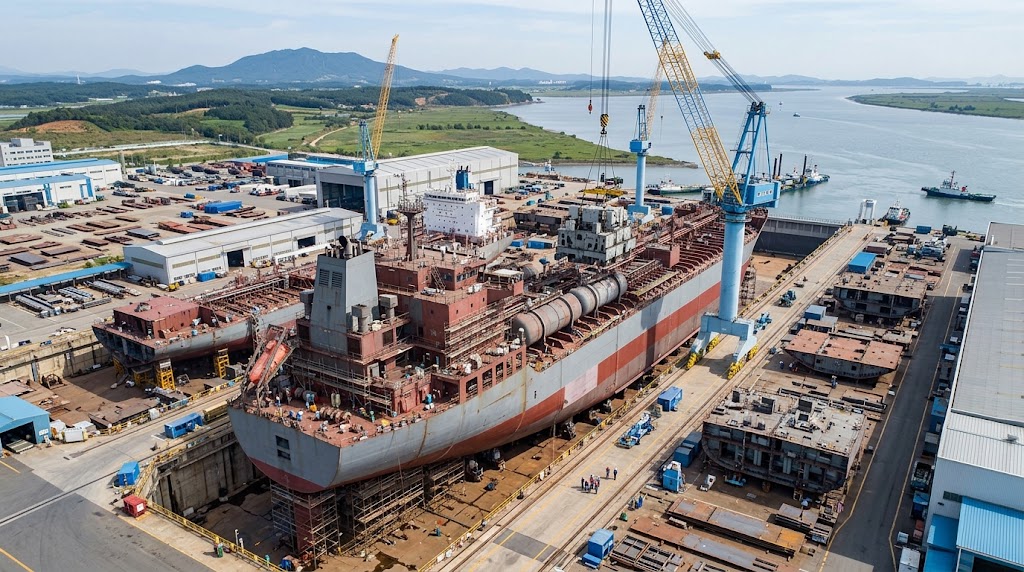
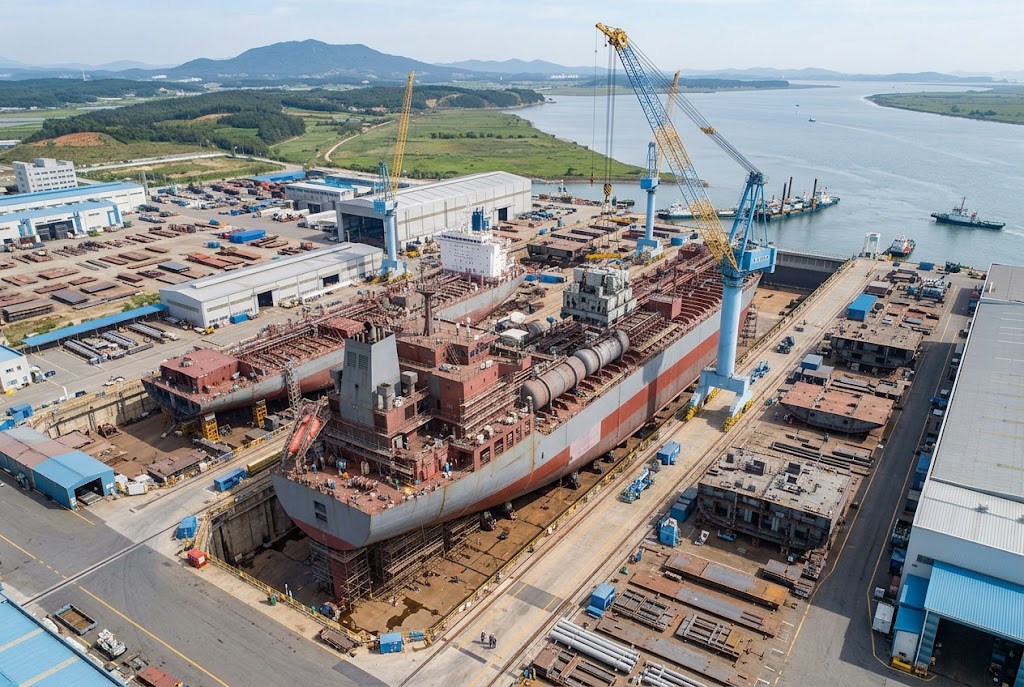
The global chemical shipping industry is witnessing an unprecedented wave of fleet expansion. Shipowners placed orders for 127 chemical tanker newbuilds in the second quarter of 2026 alone.
This aggressive ordering activity pushed the total chemical tanker orderbook to 18.2 percent of existing fleet capacity by June 2026. This ratio represents the highest level recorded since the pre-financial crisis period of 2008.
Procurement managers and chemical traders must understand this massive market shift. The influx of new vessels will fundamentally alter freight rate dynamics and contract negotiations over the next three years. Strategic planning now requires a deep understanding of these upcoming supply changes.
Drivers Behind the Chemical Tanker Newbuild Surge
Several critical factors are driving this historic surge in vessel orders. Shipowners are actively replacing older tonnage that sustained damage or became too risky for volatile geopolitical environments. The recent Hormuz Strait disruptions highlighted the vulnerability of aging fleets operating in high-risk zones.
Environmental regulations also play a massive role in this ordering spree. The industry is aggressively pursuing IMO 2030-compliant low-carbon vessels. Shipyards are currently prioritizing methanol-ready and ammonia-capable chemical tankers to meet future emission standards.
This proactive approach ensures long-term regulatory compliance and operational viability. Owners recognize that traditional fuel vessels will face severe operational restrictions within a decade. Investing in dual-fuel technology now protects the asset value over its entire lifecycle.
Freight Rate Expectations Fueling Investment
Financial projections strongly support these massive capital expenditures. Current three-year time charter rates sit at $22,000 per day. This represents a massive increase from the $14,500 per day averages seen throughout 2025.
Shipowners expect these elevated freight rates to remain sustained over the medium term. This positive outlook justifies the high capital costs associated with modern vessel construction. Investors are confident that premium rates will deliver strong returns on these new assets.
The market anticipates continued tight capacity in the short term. Geopolitical tensions continue to force longer routing patterns. This extended transit time absorbs available vessel capacity and keeps daily rates elevated.
The Impending Delivery Wave and Oversupply Risks
The timeline for these new vessels creates a specific market dynamic. The majority of these 127 newbuilds will enter service between 2028 and 2029. This concentrated delivery schedule introduces a tangible risk of fleet oversupply.
If global chemical demand normalizes or softens during this period, the market could face a capacity glut. An oversupplied market typically triggers aggressive price competition among shipowners. Freight rates would likely decline sharply as vessels compete for available cargo.
Buyers should monitor these delivery schedules closely. Understanding the exact delivery timeline of competitor vessels provides a strategic advantage. Procurement teams can time their contract renewals to coincide with peak vessel availability.
Strategic Opportunities for Chemical Producers
This potential oversupply scenario presents a unique advantage for chemical producers. Companies with long-term shipping contracts coming due in 2027 and 2028 hold significant leverage. They can anticipate a buyer's market for maritime logistics services.
Procurement teams should prepare to renegotiate these upcoming agreements aggressively. Shipowners facing idle vessels will likely offer highly favorable rate negotiations to secure guaranteed cargo. Buyers can lock in multi-year contracts at rates well below current peaks.
This strategy protects margins against future market volatility. Securing fixed rates during a capacity glut ensures predictable logistics costs. It also provides a competitive edge over rivals who remain exposed to spot market fluctuations.
Navigating the Transition to Green Shipping
The new fleet will operate under entirely different environmental parameters. Methanol-ready and ammonia-capable designs will dominate the incoming capacity. This transition aligns with the broader decarbonization goals of major chemical manufacturers.
Buyers can leverage this shift to meet their own Scope 3 emission targets. Partnering with operators of green vessels provides a clear sustainability advantage. It also future-proofs the supply chain against impending carbon taxation policies.
Regulatory bodies will reward early adopters of clean shipping technologies. Chemical companies can highlight these green logistics partnerships in their annual sustainability reports. This transparency builds trust with environmentally conscious consumers and investors.
Regional Market Dynamics and Trade Flow Shifts
The surge in newbuild orders will impact specific trade lanes differently. The Asia to Europe chemical route will see the most significant capacity injection. This corridor handles massive volumes of bulk liquid chemicals and specialty intermediates.
Increased vessel availability on this route will compress freight premiums. European buyers of Asian chemical feedstocks will benefit from reduced transportation costs. This dynamic could make Asian imports more competitive against regional production.
Conversely, the Middle East to Europe lane may experience slower rate normalization. Geopolitical risk premiums will likely persist in this specific corridor. Shipowners will demand higher compensation for navigating volatile waters despite the larger global fleet.
Financing and Shipyard Capacity Constraints
Securing funding for these 127 new vessels requires robust financial backing. Banks are increasingly tying maritime loans to strict environmental, social and governance criteria. Vessels lacking green credentials struggle to attract favorable financing terms.
Shipyard capacity is also reaching critical limits globally. Major shipbuilding nations are fully booked for the next three years. This bottleneck could delay deliveries and push some 2028 orders into 2029 or beyond.
Delays in vessel delivery might temporarily extend the current tight market conditions. Buyers should prepare for potential schedule slippage from their logistics partners. Maintaining open communication with carriers is essential for accurate inventory planning.
What Buyers Should Do Now
Procurement leaders must act proactively to capitalize on this market evolution. Audit all existing freight contracts to identify renewal dates falling within the 2027 to 2028 window. Develop alternative routing and carrier options to maximize negotiating power.
Engage with logistics providers early to discuss future capacity requirements. Request detailed proposals that include options for low-carbon vessel utilization. Building these relationships now ensures priority access when the new tonnage arrives.
Strategic sourcing teams must evaluate total landed costs carefully. Lower freight rates may offset higher base chemical prices from certain regions. Flexibility in delivery windows allows carriers to optimize their vessel scheduling.
Ready to source Methanol from verified global suppliers? Explore competitive offers on our platform today.
Sources
https://www.clarksons.com/research/maritime/chemical-tanker-orderbook-2026
https://www.imo.org/en/MediaCentre/HotTopics/Pages/IMO-2030-low-carbon-vessels.aspx
https://www.tradewindsnews.com/tankers/chemical-tanker-newbuild-orders-surge-q2-2026/