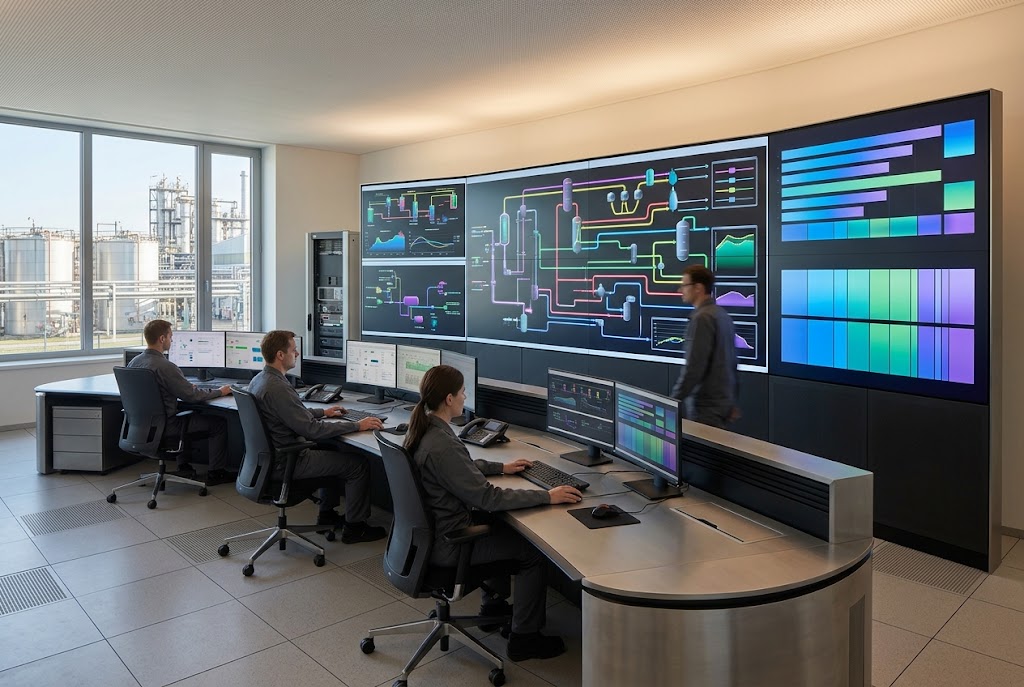
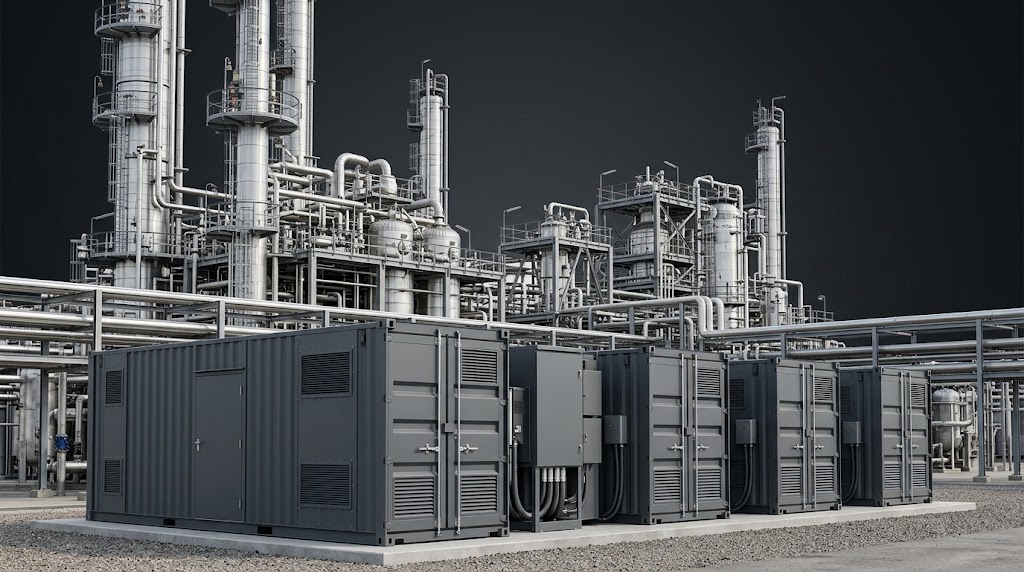
The shift toward flexible storage-buffered petrochemical operations reflects an industry response to accommodating variable renewable electricity supply on modern grids. Traditional chemical manufacturing relied on constant baseload power from fossil fuels. This model is becoming obsolete as decarbonization mandates accelerate. Plants must now adapt to the intermittent nature of wind and solar energy. Procurement managers and global buyers must understand the implications of this operational pivot. Flexible operations introduce new dynamics into production schedules and inventory management. Supply chains built on the assumption of steady-state output face potential volatility. Buyers need to evaluate how suppliers manage these transitions to ensure continuity. Strategic sourcing decisions must account for the technical realities of green energy integration. Understanding this shift is essential for maintaining resilience in a transforming market.
The End of Steady-State Manufacturing
For decades petrochemical plants operated under steady-state conditions. Engineers designed reactors and distillation columns to run at constant temperatures and pressures. This approach maximized efficiency and product quality. It assumed an uninterrupted and stable power supply. Renewable energy sources do not provide this consistency. Solar output drops at night and during cloud cover. Wind generation fluctuates with weather patterns.
These variations force manufacturers to rethink their core processes. Running a plant at partial load or cycling it up and down creates technical challenges. Equipment wear increases and product quality may suffer if not managed carefully. However the environmental and economic benefits of using renewable electricity are too significant to ignore. Companies that master flexible operations will gain a competitive edge. They will reduce carbon footprints while potentially lowering long-term energy costs.
Operational flexibility allows plants to ramp up production when renewable energy is abundant.
Energy storage integration helps smooth out gaps in power supply during low-generation periods.
Grid services can become a revenue stream if plants adjust consumption to support grid stability.
This transition is not optional for many jurisdictions with strict decarbonization mandates. Regulatory pressure is accelerating the adoption of these new methods. Buyers should expect suppliers to increasingly cite renewable integration as a key value proposition.
Technical Challenges in Process Adaptation
Adapting legacy chemical processes to handle variable power input is technically complex. Reactors distillation columns and compressors are designed for stability. Rapid changes in energy input can disrupt chemical equilibria and separation efficiencies. Engineers must develop advanced control systems to manage these dynamics.
Real-time monitoring and predictive analytics become essential tools. These systems anticipate power fluctuations and adjust process parameters automatically. For example a plant might store intermediate products in buffer tanks when power drops. It then resumes full processing when energy availability increases. This approach requires additional capital investment in storage infrastructure.
Thermal management becomes more difficult as heating and cooling loads fluctuate.
Catalyst life may decrease if reaction conditions vary frequently outside optimal ranges.
Safety protocols must account for non-standard operating states that were previously rare.
Procurement teams should inquire about their suppliers’ technological readiness. Facilities with modern digital infrastructure are better equipped to handle this transition. Those relying on outdated analog controls may face higher risks of disruption. Understanding these technical limitations helps buyers assess supplier reliability accurately.
The Role of Storage-Buffered Systems
Energy storage is the key enabler for flexible chemical manufacturing. Large-scale battery systems or thermal storage units allow plants to decouple production from immediate power availability. When renewable generation exceeds demand the excess energy charges the storage system. The plant then draws from this reserve during low-generation periods.
This integration smooths the power profile seen by the chemical process. It allows the plant to operate closer to steady-state conditions even when the grid input is variable. However storage systems add complexity and cost. They require regular maintenance and have finite lifespans.
Battery chemistry selection impacts efficiency and safety profiles for industrial applications.
Thermal storage offers high capacity for heat-intensive processes like steam cracking.
Hydrogen storage provides a long-term solution for storing excess renewable energy as fuel.
Buyers should evaluate how suppliers manage these storage assets. A well-maintained storage system ensures consistent production. Poorly managed systems can become bottlenecks or safety hazards. Asking about storage capacity and backup protocols provides insight into operational resilience.
Impact on Supply Chain Reliability
The transition to renewable-powered flexible operations introduces new supply chain dynamics. Production schedules may become less predictable in the short term as plants optimize for energy availability. This variability can lead to fluctuations in output volumes. Buyers must adjust their inventory strategies to accommodate these changes.
Just-in-time delivery models may face challenges if suppliers cannot guarantee exact shipment dates. Building larger safety stocks or diversifying supplier bases becomes necessary. Contracts may need to include clauses that address energy-related production delays. Transparency between buyers and suppliers is crucial during this transition.
Communication protocols must improve to share real-time production status updates.
Flexible contracting allows for volume adjustments based on energy constraints.
Regional sourcing may become more attractive to reduce exposure to global grid instability.
Procurement professionals should view this as an opportunity to strengthen supplier relationships. Collaborative planning helps both parties navigate the uncertainties of renewable integration. Suppliers who communicate openly about their energy strategies build greater trust with buyers.
Economic Implications for Chemical Buyers
While the initial investment in renewable integration is high the long-term economics are favorable. Renewable electricity costs continue to decline globally. Once infrastructure is in place operating costs can be lower than fossil-fuel-based alternatives. This stability protects buyers from volatile natural gas and coal prices.
However the transition period may involve temporary price premiums. Suppliers passing on capital costs for new equipment and storage systems may raise prices slightly. Buyers must weigh these short-term costs against long-term sustainability goals. Many end-users are willing to pay a green premium for low-carbon chemicals.
Carbon pricing mechanisms make renewable-based production increasingly cost-competitive.
Tax incentives in many regions offset the capital expenditure for green upgrades.
Brand value associated with sustainable sourcing can justify higher input costs for downstream products.
Procurement teams should conduct total cost of ownership analyses. Including potential carbon taxes and brand benefits provides a clearer picture of value. Ignoring these factors leads to incomplete financial assessments.
What Procurement Teams Need to Know
The shift toward flexible operations is underway and irreversible. Chemical buyers must adapt their strategies to remain competitive. Start by evaluating your current suppliers’ progress in renewable integration. Identify those who are investing in storage and flexible control systems.
Diversify your supply base to include partners with different energy profiles. This reduces risk if one supplier faces energy-related disruptions. Update your contracts to reflect the new realities of variable production. Include provisions for communication and flexibility.
Invest in understanding the technical aspects of green chemistry. Knowledge empowers better decision-making. Engage with industry groups to stay informed about best practices. The future of chemical manufacturing is flexible and sustainable. Aligning your procurement strategy with this reality ensures long-term success.
Ready to source chemicals from verified global suppliers? Explore competitive offers on our platform today.