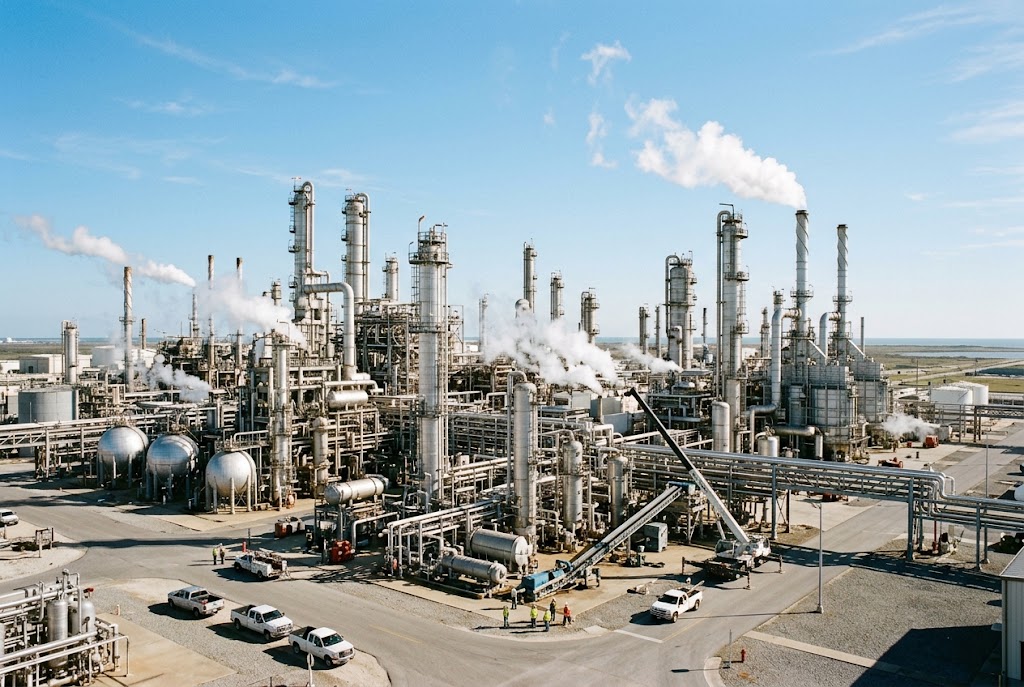
American chemical makers have largely avoided forced shutdowns despite weak global demand. This resilience stems directly from low US energy costs which provide a critical competitive buffer. While counterparts in Europe and Japan struggle with high operational expenses the United States maintains robust production levels. Procurement managers and global buyers must recognize this divergence in regional performance. The stability of US petrochemical output offers a reliable anchor in a volatile market. Supply chains dependent on European or Asian sources face increasing disruption risks. Shifting sourcing strategies toward North America can mitigate these vulnerabilities. Understanding the structural advantages of the US market is essential for long-term planning. Buyers who secure capacity in this region gain a distinct reliability advantage.
The Energy Cost Advantage Explained
The primary driver of US operational stability is access to affordable natural gas and ethane feedstocks. Shale gas production continues to keep energy prices significantly lower than in other major industrial regions. This cost differential allows producers to maintain positive margins even when product prices fall.
In contrast European facilities face natural gas prices that are often three to four times higher. Japanese producers rely on imported liquefied natural gas which carries additional logistics and regasification costs. These structural disadvantages make it economically unviable for them to run at full capacity during demand slumps.
Feedstock integration in the US Gulf Coast provides direct pipeline access to cheap ethane.
Operational flexibility allows US plants to adjust rates without incurring prohibitive fixed costs.
Export competitiveness remains strong as US products can be priced aggressively in global markets.
This economic reality means US producers do not need to idle capacity to stop losses. They can continue producing to maintain market share and cash flow. For buyers this translates to consistent availability and fewer supply interruptions.
Contrast with European and Japanese Closures
The situation in Europe and Japan stands in stark contrast to the US experience. High energy costs combined with weak demand have forced frequent plant closures in these regions. Major chemical companies are permanently shutting down older less efficient units.
These closures reduce the overall global supply base but create immediate local shortages. Buyers in these regions must seek imports to fill the gap. This shift increases logistical complexity and exposure to currency fluctuations.
Ethylene crackers in Germany and France are being idled or dismantled.
Specialty derivative plants in Japan are consolidating operations to survive.
Supply chain fragmentation occurs as regional self-sufficiency declines.
Procurement teams relying on these traditional hubs face growing uncertainty. Contract renewals may come with reduced volumes or higher prices. Diversifying into the US market becomes a strategic imperative for risk mitigation. The reliability of American supply offers a hedge against European and Japanese instability.
Impact on Global Trade Flows
The stability of US production is reshaping global trade patterns. Excess US capacity is increasingly directed toward export markets. This influx of American product helps offset shortages in Europe and Asia. However it also intensifies competition in destination markets.
Buyers in import-dependent regions benefit from increased supply options. They can negotiate better terms by leveraging US alternatives against local suppliers. This dynamic puts downward pressure on global prices.
Freight rates influence the landed cost of US exports in distant markets.
Trade policies such as tariffs or anti-dumping duties may affect competitiveness.
Logistical bottlenecks at US ports can occasionally delay shipments during peak export periods.
Procurement professionals must monitor these trade flows closely. Understanding the volume of US exports helps predict market tightness or surplus. It also informs decisions about inventory levels and contracting strategies. A well-informed buyer can capitalize on arbitrage opportunities created by regional disparities.
Supply Chain Reliability for Buyers
For global buyers the reliability of US suppliers is a major advantage. Consistent production means fewer force majeure declarations and more predictable delivery schedules. This stability supports just-in-time manufacturing models and reduces safety stock requirements.
US producers are also investing in infrastructure to support export growth. Pipeline expansions port upgrades and storage facility improvements enhance logistical efficiency. These investments further strengthen the reliability of the supply chain.
Quality consistency is maintained as plants operate at steady states rather than cycling up and down.
Technical support remains available as producers retain skilled workforces.
Financial stability of US firms allows for long-term contract commitments.
Buyers should prioritize suppliers with strong operational track records. Engaging with US producers during this period secures favorable terms and reliable partnerships. It builds a foundation for long-term supply security in an uncertain world.
Strategic Sourcing Recommendations
Procurement teams should actively diversify their supply bases to include US sources. Reducing dependence on vulnerable regions mitigates risk. Start by qualifying new US suppliers for key commodity chemicals.
Negotiate long-term contracts to lock in stable pricing and volume guarantees. Use the current market softness to secure favorable terms. However ensure contracts include flexibility clauses to adjust volumes if demand changes.
Evaluate total landed cost including freight insurance and duties for US imports.
Assess supplier financial health to ensure they can sustain operations during prolonged downturns.
Monitor regulatory developments that may affect cross-border trade.
Building relationships with US producers requires proactive engagement. Attend industry conferences schedule site visits and maintain open communication. These efforts foster trust and collaboration. A diversified portfolio including US European and Asian suppliers offers the best balance of cost and reliability.
The Bottom Line for Procurement Teams
The ability of US petrochemical capacity to avoid forced shutdowns is a critical market signal. It highlights the enduring competitive advantage of low energy costs. Buyers must leverage this stability to strengthen their supply chains.
While Europe and Japan face structural declines the US remains a robust production hub. Shifting sourcing strategies toward North America reduces risk and enhances reliability. Procurement teams that act now will secure better terms and greater supply security.
Stay informed about global capacity trends and trade flows. Adapt your strategies to reflect the changing landscape. The future of chemical sourcing favors those who prioritize resilience and diversification.
Ready to source chemicals from verified global suppliers? Explore competitive offers on our platform today.