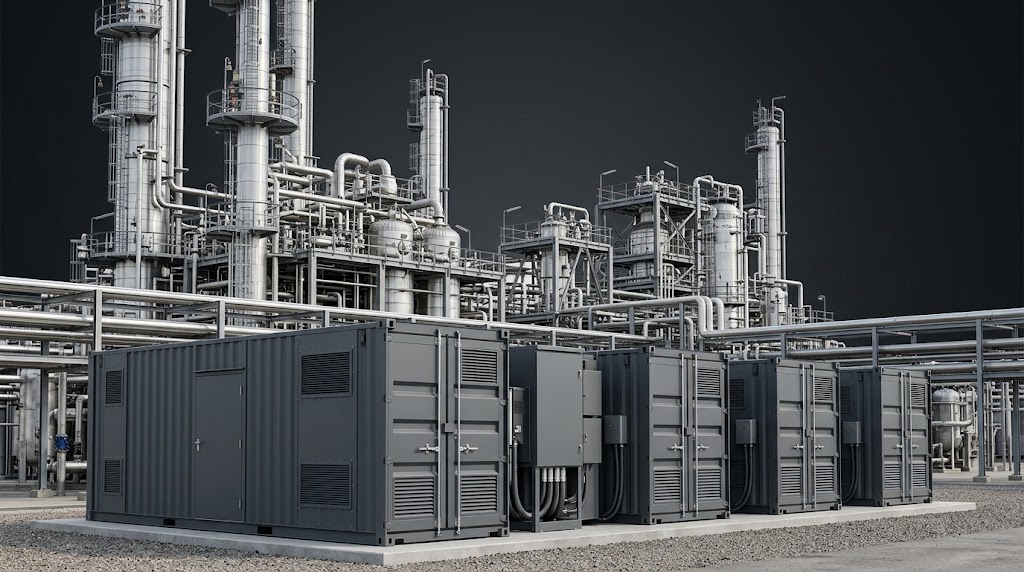
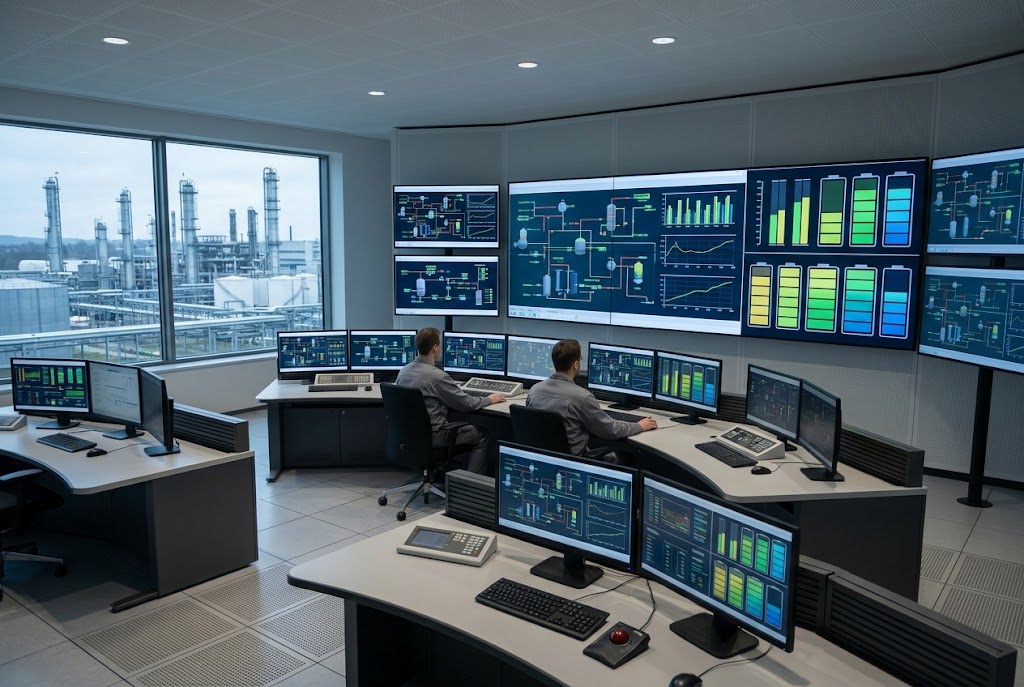
Battery energy storage systems are increasingly mainstream rather than experimental within petrochemical and broader chemical process industry operations. CEP’s August coverage highlights this critical transition from pilot projects to full-scale deployment. The chemical industry is moving beyond theoretical discussions about renewable integration. Facilities are now installing large-scale storage to manage power variability and ensure operational continuity. This shift has profound implications for supply chain reliability and sustainability metrics. Procurement managers must understand how these infrastructure changes affect supplier capabilities. Plants with integrated storage offer greater resilience against grid fluctuations. They can maintain steady production even when renewable generation dips. Buyers who recognize this trend can prioritize suppliers with robust energy management strategies. This alignment supports corporate net-zero goals while securing stable supply.
The Transition From Pilot to Production
For years energy storage in chemical plants remained a niche concept. Pilot projects demonstrated technical feasibility but lacked economic justification. High capital costs and unproven longevity deterred widespread adoption. However recent advancements have changed this calculus. Battery costs have declined significantly while performance has improved.
Regulatory pressures and corporate sustainability mandates now drive investment. Companies can no longer afford to treat renewable integration as optional. The risk of carbon taxes and reputational damage outweighs the initial capital outlay. As a result major producers are committing to full-scale deployments.
Standardized designs reduce engineering time and construction risks for new installations.
Proven track records from early adopters provide confidence to hesitant investors.
Financing options have expanded as banks recognize the long-term value of storage assets.
This maturation means buyers can expect more suppliers to operate with renewable-backed power. It is no longer a differentiator but a baseline expectation for leading firms. Procurement teams should update their vendor criteria to reflect this new reality.
Operational Benefits for Chemical Manufacturers
Integrating battery energy storage offers tangible operational advantages beyond sustainability. Chemical processes require constant power to maintain safe temperatures and pressures. Grid instability or renewable intermittency can trigger safety shutdowns. Storage systems buffer these fluctuations ensuring uninterrupted operation.
This reliability reduces unplanned downtime and maintenance costs. It also allows plants to participate in demand response programs. By storing energy during low-price periods and using it during peaks facilities lower their electricity bills. These savings improve margins in a competitive market.
Peak shaving avoids expensive demand charges from utilities.
Frequency regulation helps stabilize the local grid enhancing community relations.
Backup power ensures critical safety systems remain active during outages.
Procurement professionals should inquire about these operational benefits during supplier audits. Facilities with advanced energy management are likely to be more efficient and reliable. This efficiency translates to consistent product quality and delivery performance.
Impact on Supply Chain Resilience
Energy independence enhances supply chain resilience. Plants that generate and store their own power are less vulnerable to external grid failures. This self-sufficiency protects production schedules from regional blackouts or price spikes. For buyers this means fewer disruptions and more predictable lead times.
However the transition period may introduce temporary complexities. Suppliers upgrading their infrastructure might experience brief operational adjustments. Procurement teams should maintain open communication with account managers to monitor these changes. Understanding the timeline for storage implementation helps plan inventory levels.
Risk mitigation improves as suppliers reduce dependence on unstable fossil-fuel grids.
Long-term stability increases as energy costs become more predictable and manageable.
Geographic diversification of energy sources reduces exposure to localized fuel shortages.
Buyers should view energy storage as a key indicator of supplier maturity. Facilities investing in this technology demonstrate forward-thinking management. They are better positioned to navigate future regulatory and market challenges. Prioritizing these partners builds a more resilient supply network.
Sustainability Metrics and Carbon Accounting
The adoption of renewable-powered operations directly impacts Scope 2 emissions. Chemical buyers are under increasing pressure to report accurate carbon footprints. Suppliers using stored renewable energy can provide verified low-carbon credentials. This data is essential for meeting corporate sustainability targets.
Procurement teams must request detailed energy mix information from suppliers. Certificates of origin and third-party audits validate these claims. Without proper documentation sustainability marketing remains vulnerable to greenwashing accusations. Transparent reporting builds trust with customers and regulators.
Carbon intensity of products decreases as renewable share in energy mix grows.
Life cycle assessments become more favorable for chemicals produced with green power.
Regulatory compliance with emerging carbon border mechanisms is simplified.
Buyers should integrate carbon metrics into supplier scorecards. Weighting energy sustainability alongside price and quality drives market transformation. It incentivizes suppliers to accelerate their renewable transitions. This collaborative approach benefits the entire industry value chain.
Challenges in Widespread Implementation
Despite the momentum challenges remain in scaling up storage solutions. Space constraints at existing brownfield sites limit installation options. Retrofitting older plants requires careful engineering to avoid disrupting ongoing operations.
Skilled labor shortages also hinder rapid deployment. Technicians trained in both chemical processing and electrical storage are rare. Training programs are expanding but cannot meet immediate demand. These bottlenecks may slow the pace of adoption for some manufacturers.
Capital allocation competes with other critical investments like safety upgrades or capacity expansion.
Regulatory uncertainty regarding grid interconnection standards creates permitting delays.
Technology evolution means early adopters risk obsolescence as newer battery chemistries emerge.
Procurement professionals should assess how suppliers manage these challenges. Ask about their implementation timelines and contingency plans. Suppliers with clear roadmaps and dedicated resources are more likely to succeed. This diligence helps identify partners capable of delivering on their sustainability promises.
What Procurement Teams Need to Know
The mainstream deployment of battery energy storage marks a turning point for the chemical industry. It signals a permanent shift toward renewable-powered operations. Procurement teams must adapt their strategies to leverage this change.
Evaluate suppliers based on their energy infrastructure and sustainability practices. Prioritize partners who have moved beyond pilots to full-scale implementation. Engage in discussions about their energy management strategies and carbon reduction goals.
Update vendor criteria to include energy resilience and renewable usage metrics.
Negotiate contracts that reflect the value of low-carbon production methods.
Monitor industry trends to stay ahead of regulatory and technological developments.
Building relationships with forward-thinking suppliers secures long-term supply security. It also aligns procurement activities with broader corporate sustainability objectives. The future of chemical manufacturing is electric and stored. Aligning with this trend ensures competitive advantage.
Ready to source chemicals from verified global suppliers? Explore competitive offers on our platform today.