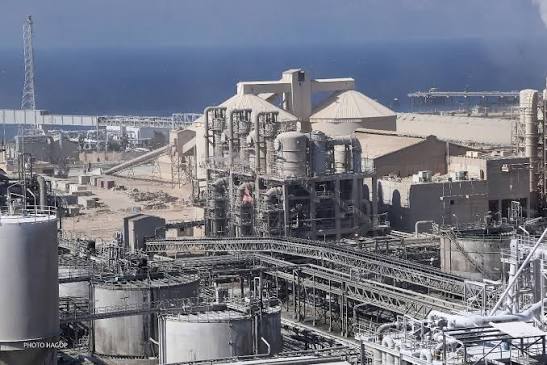
Linear Low-Density Polyethylene (LLDPE) is one of the world's most widely traded commodity polymers.
Used extensively in flexible packaging, agricultural films, industrial liners and consumer products, LLDPE demand closely follows manufacturing and packaging activity across global markets.
Recent growth in import volumes has drawn increased attention to the economics of international polymer trade and the role of trade remedies in protecting domestic producers.
For procurement professionals, these developments illustrate how commercial competitiveness and trade policy increasingly intersect.
Why LLDPE Is Strategically Important
LLDPE offers an attractive combination of strength, flexibility and processability.
Common applications include:
Stretch film.
Agricultural film.
Food packaging.
Industrial liners.
Heavy-duty sacks.
Consumer packaging.
Rotomoulding products.
Its broad industrial use makes LLDPE one of the highest-volume polymers in international trade.
Rising Import Volumes Influence Market Dynamics
Sustained growth in imports can affect domestic markets through:
Increased supplier competition.
Greater product availability.
Pricing pressure.
Higher logistics activity.
Changing market shares.
These trends often encourage closer examination of trade conditions by both producers and regulators.
The dynamics affecting LLDPE are representative of wider trends across commodity petrochemicals.
Increasingly, competition is shaped by:
Regional feedstock costs.
Export-oriented production.
Global shipping economics.
Trade remedies.
Environmental regulation.
Capacity additions.
Market demand.
For procurement professionals, understanding these structural drivers helps explain why pricing and supply conditions differ between producing regions.
Procurement Should Evaluate Total Landed Cost
Import decisions should consider more than the quoted resin price.
A comprehensive sourcing assessment should include:
Freight and insurance costs.
Customs duties.
Potential anti-dumping measures.
Lead times.
Inventory carrying costs.
Supply reliability.
Regulatory compliance.
Evaluating total landed cost provides a more accurate comparison between domestic and imported material.
Procurement Priorities for H2 2026
As polymer trade becomes increasingly influenced by commercial and regulatory developments, procurement organisations should:
Review supplier exposure to evolving trade policies.
Diversify sourcing across multiple production regions where commercially feasible.
Track feedstock cost movements and regional production economics.
Strengthen supply chain visibility and logistics planning.
Incorporate landed-cost modelling into sourcing decisions.
Maintain contingency supply options for key packaging and industrial resin grades.
These actions improve procurement resilience while supporting competitive sourcing strategies in a changing global polymer market.
Looking Ahead to H2 2026
The increase in LLDPE import volumes highlights the growing importance of international trade flows in shaping polymer markets. As producers compete across regions with different feedstock costs, manufacturing economics and export capabilities, trade policy is becoming an increasingly influential factor alongside traditional supply-and-demand fundamentals. Procurement teams should therefore monitor both market conditions and regulatory developments when evaluating long-term sourcing strategies.
For procurement professionals, successful polymer sourcing now requires balancing cost competitiveness with supply security and regulatory awareness. Feedstock economics, logistics performance, customs policy and potential trade remedies all contribute to the total cost and reliability of imported materials. Organisations that integrate commercial analysis with trade intelligence will be better positioned to manage uncertainty while maintaining access to competitive polymer supplies.
The key lesson for H2 2026 is that global polymer procurement is increasingly shaped by the interaction between manufacturing competitiveness and international trade policy. Companies that combine market intelligence, diversified sourcing, landed-cost analysis and proactive regulatory monitoring will strengthen procurement resilience while remaining competitive in evolving polyethylene markets.
Ready to source LLDPE, HDPE, LDPE and other industrial polymers from verified global suppliers with reliable international supply chains? Explore competitive offers on our platform today.