Oil markets are in a state of constant motion, with prices often reacting to geopolitical flashpoints, supply disruptions, or sudden shifts in demand. Natural gas, however, has shown a remarkable degree of resilience. This steadiness is evident in trade flows, which remain comparatively calm even as oil prices rise or fall sharply. Understanding this phenomenon requires a look at the unique features of the gas market, its logistics, and the broader energy supply chain.
Long‑Term Contracts and Hedging Practices
One of the primary reasons natural gas trade stays steady is the prevalence of long‑term contracts. Producers, shippers, and end users often lock in prices months or years ahead of time. These contracts create a predictable revenue stream for producers and a stable cost base for consumers.
Fixed Price Agreements: Contracts that set a fixed price for a fixed quantity over a set period reduce exposure to short‑term price swings.
Index‑Linked Contracts: These tie the price to a broader index, allowing for modest adjustments while still providing a degree of certainty.
Hedging Strategies: Market participants use futures and options to hedge against price volatility, further dampening the impact of oil market turbulence.
LNG Logistics and Infrastructure Resilience
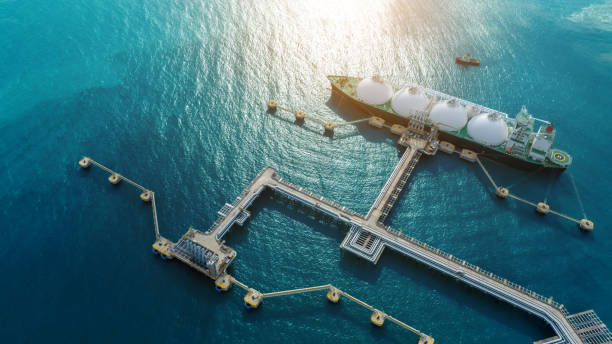
Liquefied Natural Gas (LNG) represents the most flexible form of gas transport. Advances in LNG technology and infrastructure have made it possible to move gas across the globe with relative ease.
Modular LNG Facilities: New plant designs allow for quicker construction and greater scalability, ensuring supply can be increased or redirected in response to market demands.
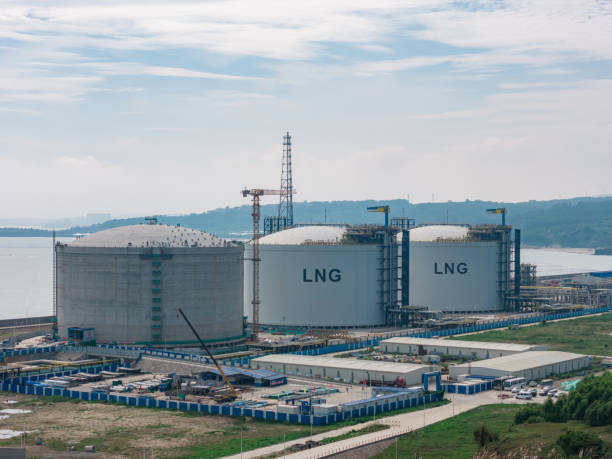
Dedicated LNG Terminals: Countries have built terminals that can receive, regasify, and distribute LNG efficiently, reducing bottlenecks.
Ship Capacity: Modern LNG carriers can transport large volumes, and a growing fleet ensuresత్వ reduces the risk of supply shortages.
Differential Demand Drivers
The demand for natural gas is driven by different factors than oil. While oil demand is closely tied to transportation and industrial processes, gas demand is often linked to electricity generation and heating. This divergence provides a natural buffer against oil price shocks.
Electricity Generation: Many power plants use natural gas because it offers a cleaner alternative to coal. Fluctuations in oil prices have limited impact on these plants.
Industrial Use: Chemical feedstocks derived from natural gas are essential for plastics, fertilizers, and other products. These industries maintain long-term contracts to secure supply.
Heating Needs: Residential and commercial heating relies on natural gas pipelines, providing a steady demand base that is not directly correlated with oil market movements.
Geopolitical Tensions and Energy Supply Chains
Geopolitical events often disrupt oil supply routes, especially in regions like the Middle East or the South China Sea. Natural gas, however, benefits from a more diversified supply network.
Multiple Export Routes: Gas producers export via pipelines to Europe, LNG carriers to Asia, and domestic pipelines to the United States, reducing reliance on any single route.
Regional Resilience: European countries have built an extensive network of interconnectors, allowing gas to be rerouted if a particular pipeline is disrupted.
Strategic Reserves: Some nations maintain strategic gas reserves, providing a buffer against sudden supply disruptions.
Commodity Trade Dynamics
Natural gas trade is part of a broader commodity trade ecosystem that includes oil, coal, and electricity. While oil markets may experience high volatility, the overall commodity trade landscape promotes stability through diversification.
Cross‑Commodity Hedging: Companies often hedge across multiple commodities to spread risk, which can mitigate the impact of oil volatility on gas positions.
Regulatory Frameworks: International agreements and regulatory bodies set standards for trade, ensuring transparency and reducing speculative excesses.
Market Liquidity: The gas market benefits from high liquidity, especially in LNG, allowing for rapid adjustments to supply and demand imbalances.