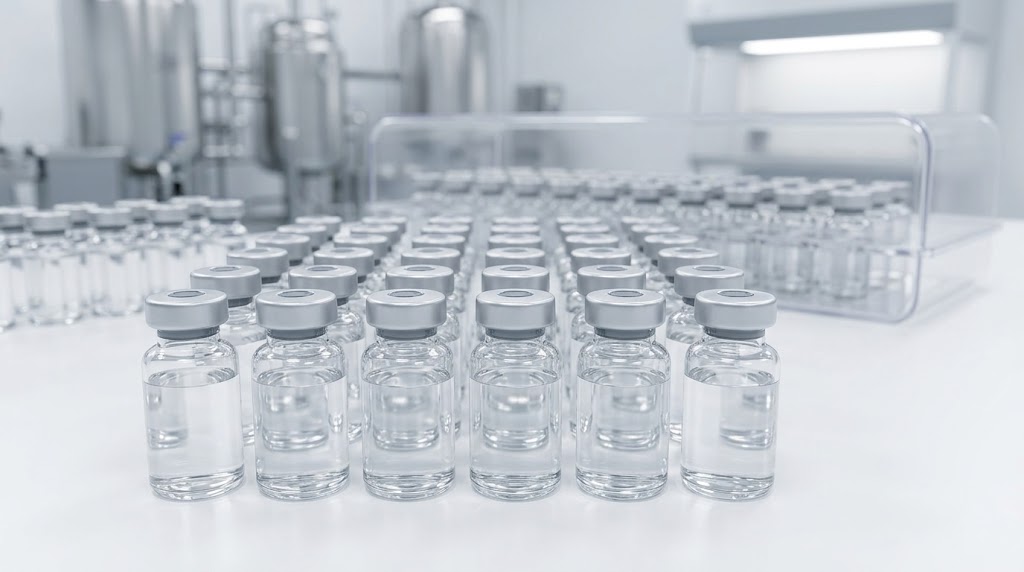
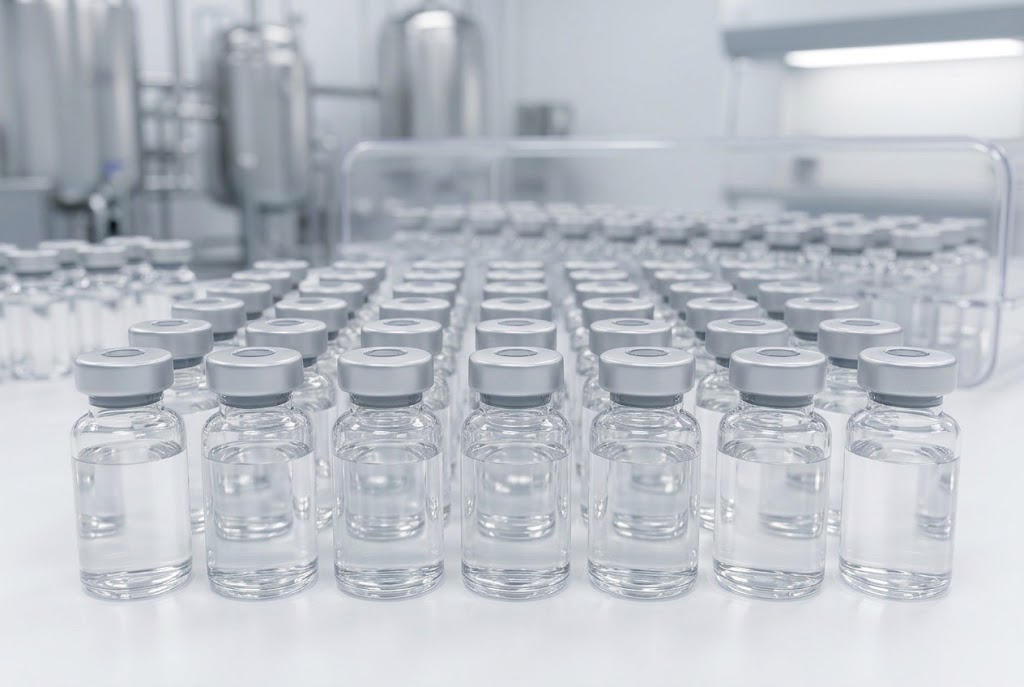
The global pharmaceutical supply chain faces a persistent crisis in oncology care. Despite the reopening of the Hormuz Strait, 23 oncology medications remain in active shortage as of July 2026. These disruptions stem from deep-seated API production delays that simple route normalization cannot fix.
Platinum compounds like carboplatin and cisplatin require specialized Gulf-region production facilities. Steroid intermediates for combination therapies and specialized solvents for formulation also face severe bottlenecks. The FDA Drug Shortage Database indicates an average shortage duration of 8 to 12 months for these complex APIs. This extended timeline creates significant challenges for hospital pharmacies and procurement teams. Patients dependent on these life-saving treatments face uncertain access to their prescribed regimens. Understanding the root causes of these delays is essential for strategic sourcing planning. Procurement managers must navigate this constrained market with precision and foresight.
Persistent Constraints in Platinum Compound Production
Platinum-based chemotherapy agents remain the backbone of many cancer treatment protocols. Their production relies heavily on specific catalytic processes concentrated in the Gulf region. Facilities in this area suffered significant operational disruptions during the recent crisis.
Restarting these complex chemical synthesis lines requires meticulous validation. Regulatory agencies demand rigorous quality control before approving restarted production batches. This validation process adds months to the recovery timeline even after physical repairs are complete.
Global demand for platinum compounds continues to outpace current supply capabilities. Hospitals are forced to ration these critical medications or seek alternative therapeutic options. This scarcity drives up spot prices and creates intense competition among healthcare providers.
Procurement teams must secure long-term allocation agreements to guarantee patient access. Spot market purchases offer little reliability in such a tight supply environment. Building direct relationships with primary manufacturers becomes a strategic imperative for large health systems.
Steroid intermediates serve as crucial building blocks for many combination cancer therapies. The production of these molecules involves multi-step synthetic pathways that are highly sensitive to disruption. Any break in the supply chain halts the entire manufacturing process.
Specialized solvents used in final drug formulation also face availability issues. These high-purity chemicals require dedicated production lines that cannot be easily repurposed. Suppliers prioritized essential industrial applications over pharmaceutical grades during the crisis.
Rebuilding solvent inventory takes time due to strict purity specifications. Manufacturers must run extensive testing to ensure batch consistency and safety. This quality assurance phase further delays the return of finished oncology drugs to the market.
The interdependence of these raw materials creates a compound effect on shortages. A lack of either steroids or solvents prevents the final assembly of the drug product. Procurement strategies must address both components simultaneously to resolve the bottleneck.
The 8 to 12 Month Recovery Timeline Reality
The FDA Drug Shortage Database highlights the stubborn nature of these supply chain failures. Complex APIs do not bounce back quickly from major geopolitical disruptions. The average 8 to 12 month shortage duration reflects the time needed for full operational restoration.
This timeline includes equipment repair, staff retraining and regulatory re-certification. Each step must be completed sequentially to meet Good Manufacturing Practice standards. Rushing any phase risks product recalls and further supply instability.
Healthcare providers must plan for continued constraints through early 2027. Inventory models based on pre-crisis lead times will fail to protect against future stockouts. Procurement teams need to adopt conservative forecasting methods that account for these extended delays.
Communication with clinical teams is vital to manage expectations. Pharmacists must work closely with oncologists to identify viable therapeutic alternatives. This collaboration ensures patient care continues uninterrupted despite medication shortages.
Strategic Sourcing Responses for Healthcare Procurement
Hospital procurement teams must shift from just-in-time to just-in-case inventory models. Maintaining larger safety stocks of critical oncology drugs provides a buffer against supply shocks. This approach requires significant working capital but protects patient access.
Diversifying the supplier base reduces reliance on single geographic regions. Qualifying alternative manufacturers in Europe or North America adds resilience to the supply chain. Although these sources may carry higher costs, they offer greater stability.
Collaborative purchasing groups can leverage collective volume to secure priority allocation. Pooling demand across multiple health systems increases negotiating power with manufacturers. This unified approach helps smaller hospitals access scarce medications more reliably.
Transparency with suppliers regarding actual consumption rates improves forecasting accuracy. Sharing real-time usage data helps manufacturers plan their production schedules more effectively. This partnership model fosters mutual trust and better supply chain coordination.
Regulatory and Quality Assurance Challenges
Regulatory bodies maintain strict oversight of restarted production facilities. Any deviation from established protocols triggers immediate investigation and potential shutdowns. Manufacturers must document every change made during the crisis recovery period.
This documentation burden slows down the release of new batches into the market. Quality assurance teams are overwhelmed by the volume of validation work required. Hiring additional qualified personnel helps accelerate this critical process.
International harmonization of regulatory standards could speed up future recoveries. Mutual recognition agreements would allow faster acceptance of foreign inspection results. Policymakers should prioritize these reforms to enhance global supply chain resilience.
Until then, manufacturers must navigate each jurisdiction's unique requirements individually. This complexity adds another layer of delay to the already stretched recovery timeline. Procurement teams must stay informed about regulatory updates in key producing countries.
The Bottom Line for Pharmaceutical Buyers
The oncology drug shortage crisis will persist well beyond the initial geopolitical resolution. Twenty-three medications remain constrained due to deep structural issues in API production. Platinum compounds, steroid intermediates and specialized solvents all face extended recovery periods.
Procurement professionals must adapt their strategies to this new reality of prolonged scarcity. Building resilient supply chains requires diversification, increased inventory buffers and strong manufacturer partnerships. Patient safety depends on the proactive management of these critical medical resources.
Ready to source Activated Carbon (Granula) from verified global suppliers? Explore competitive offers on our platform today.
Sources
https://www.fda.gov/drugs/drug-safety-and-availability/drug-shortages-database-oncology-update-july-2026
https://www.ema.europa.eu/en/human-regulatory/monitoring-public-health-threats/shortages-medicines/2026-oncology-supply-status
https://www.asco.org/practice-guidelines/cancer-care-initiatives/2026-drug-shortage-management-strategies