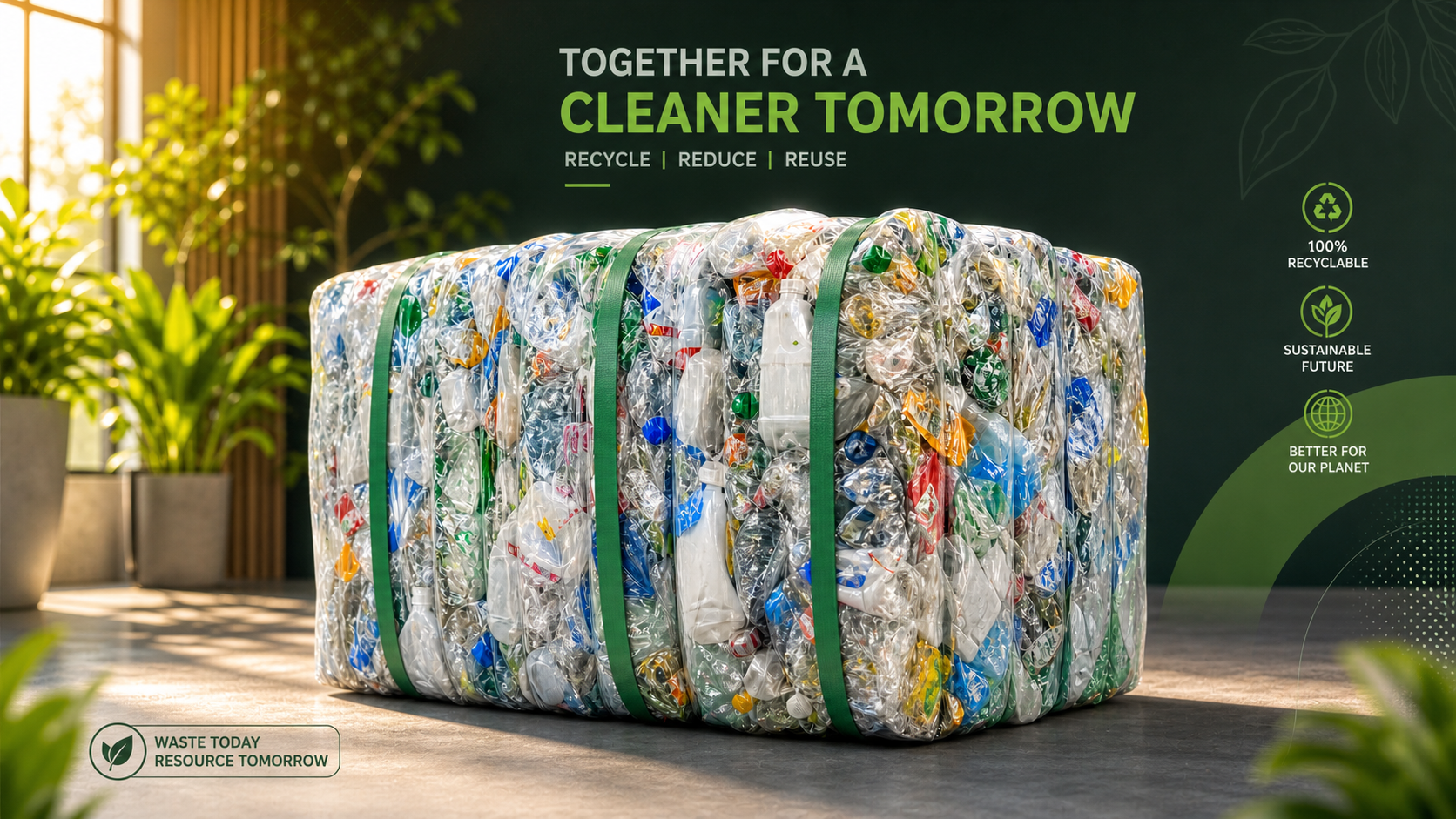
The UK exports roughly half of its plastic waste, making overseas processing a major part of its packaging recycling system. At the center of this trade sits the Packaging Export Recovery Note, or PERN, which gives producers evidence that exported packaging waste has been recycled.
The system creates a financial mechanism for moving plastic waste across borders, but it also raises a fundamental question: does an export supported by a PERN necessarily represent the same recycling outcome as domestic processing? Critics argue that contamination, sorting losses and material losses can weaken the connection between exported tonnage and actual recycled output.
From January 2026, the UK tightened evidence requirements for exporters. The changes increase scrutiny, but the debate over whether the country should restrict certain plastic waste exports remains active.
How the PERN System Supports Plastic Waste Exports
PERNs form part of the UK's producer responsibility framework. Packaging producers need evidence that they have met their recycling obligations, while accredited exporters can issue PERNs for eligible packaging waste exported for recycling.
This structure gives plastic waste an economic value beyond its physical material value. Exporters can move collected packaging to overseas reprocessors while producers obtain evidence that supports compliance with their recycling obligations.
The mechanism can therefore influence commercial decisions throughout the chain. Waste collectors, exporters, overseas processors and packaging producers all interact with a system where documentation and tonnage directly affect the value of recyclable material.
Why the PERN Model Faces Criticism
The central criticism concerns the assumption that the full weight represented by an export ultimately translates into recycling. Mixed plastic waste rarely arrives at a recycling plant as a perfectly clean stream, and contamination can reduce the amount suitable for processing.
Sorting can also remove materials that do not meet the requirements of a particular recycling operation. Some material may become residue or waste rather than entering the production of recycled plastic.
That creates a distinction between exported waste and recycled material. If the regulatory mechanism awards recycling evidence primarily around the exported quantity, critics argue that the system can overstate the environmental result.
For procurement professionals, this distinction matters because recycled content claims increasingly depend on traceability. Buyers sourcing recycled polymers need confidence that the underlying material represents a genuine recovery process rather than simply a documented movement of waste across borders.
What Changed for Exporters in 2026
The UK introduced significant changes to registration, accreditation and evidence requirements for packaging waste exporters from 1 January 2026. Exporters must register for the relevant materials and require accreditation if they want to issue PERNs.
The updated framework also requires exporters to maintain greater visibility over overseas processing. For exports to EU and OECD destinations, exporters must provide details of final overseas reprocessing sites and maintain an audit trail covering interim sites. They must also be able to demonstrate that material was accepted and recycled by the named facility when regulators request evidence.
The reporting burden has also increased. Accredited exporters must maintain records and submit monthly information covering packaging waste activity, with regulators using this information to improve oversight and target potential fraud and error.
These reforms do not eliminate the export model. Instead, they attempt to strengthen the link between the waste leaving the UK and the recycling activity taking place overseas.
Why Contamination Creates a Commercial Problem
Contamination remains one of the most important variables in international plastic waste trading. Packaging collections can contain food residue, non-target polymers, labels, adhesives and other materials that reduce the usable fraction of a shipment.
For exporters, poor-quality loads can create additional handling and processing costs. For overseas recyclers, contaminated feedstock can reduce yield and increase the amount of residue requiring disposal.
Several commercial risks follow:
Lower recovery yields: A shipment may contain a significant quantity of material that cannot enter the intended recycling process.
Higher processing costs: Sorting, washing and preparation require additional energy, labor and equipment when incoming waste quality declines.
Documentation exposure: Exporters must maintain evidence supporting their recycling claims and demonstrate compliance with increasingly detailed requirements.
Buyer confidence: Manufacturers purchasing recycled polymers increasingly need traceability that extends beyond the first transaction.
The result is a growing premium on clean, consistent and well-documented plastic waste streams. For traders, quality specifications can become just as important as headline tonnage.
Why Non-OECD Export Restrictions Remain a Major Debate
The UK's approach also differs from calls for stricter controls on where plastic waste can travel. Export bans or restrictions covering non-OECD destinations have been discussed as a potential way to reduce environmental risks associated with overseas processing.
Supporters of tighter restrictions argue that limiting destinations could make the supply chain easier to monitor. They also see domestic recycling capacity as strategically important because processing more material within the UK could retain economic value and reduce dependence on overseas facilities.
Opponents can point to the international nature of the recycling industry. Some overseas processors possess established infrastructure, lower operating costs or specialized capabilities that can handle particular waste streams efficiently.
For chemical traders and polymer buyers, the policy question is therefore not simply whether exports should continue. The larger issue is how regulators can distinguish legitimate international recycling from transactions where waste quality, processing conditions or final recovery outcomes remain difficult to verify.
How the Rules Could Reshape Plastic Trading
The 2026 reforms increase the importance of supply chain documentation. Exporters now need stronger systems for recording material flows, overseas destinations and processing information.
This could gradually change the economics of the market. Operators with established relationships with compliant overseas recyclers may gain an advantage over traders relying on less transparent networks.
The effect may also extend to material specifications. Cleaner streams that produce higher recovery rates can become more attractive because they reduce both processing uncertainty and regulatory exposure.
For buyers, this creates a useful procurement signal: the cheapest available material is not always the lowest-cost option. A low-priced recycled polymer can become expensive if inconsistent quality, weak traceability or regulatory complications disrupt production.
What Plastic Buyers Should Check Before Sourcing
Procurement teams purchasing recycled polymers or trading plastic waste should look beyond the commercial quotation. Supplier qualification should include the origin of the feedstock, processing route and documentation supporting the recycling claim.
A practical review can include:
Material origin: Identify whether the feedstock comes from post-consumer, post-industrial or mixed sources.
Processing destination: Establish where the material was sorted, washed, reprocessed and converted into recycled polymer.
Yield and quality: Request relevant specifications that demonstrate consistency between shipments.
Traceability: Check whether the supplier can provide documentation connecting the waste source with the final recycled output.
Regulatory status: Confirm that exporters and reprocessors operate under the required registration and accreditation arrangements.
The UK's current framework increasingly emphasizes evidence rather than simple declarations. Government guidance states that exporters must be able to show that packaging waste was accepted and recycled by the named overseas site and maintain an audit trail for relevant interim sites.
The Market Signal for Recycled Polymers
The PERN debate reflects a broader shift in the plastics market. Recycling is moving from a relatively simple volume calculation toward a more detailed assessment of material quality, recovery rates and supply chain transparency.
That shift matters for polymer buyers because recycled resin competes not only on price but also on consistency and documentation. Manufacturers using recycled content increasingly need reliable inputs that meet production specifications while supporting their environmental and regulatory objectives.
The UK government has also continued to reform the PRN and PERN framework, with further consultation focused on creating a more level playing field between domestic reprocessors and exporters.
This direction suggests that the competitive advantage may increasingly move toward operators that can demonstrate real processing capacity and transparent material flows. Export businesses that depend on documentation without strong downstream visibility could face greater pressure as enforcement and reporting systems mature.
The Bottom Line for Procurement Teams
The UK's PERN system demonstrates how recycling policy can directly influence international plastic trade. When a financial mechanism rewards exported tonnage as evidence of recycling, the quality of the underlying recovery process becomes critical to the credibility of the entire system.
The 2026 reforms strengthen the documentation chain and increase regulatory visibility over exporters and overseas reprocessors. They do not end the international trade in plastic waste, but they raise the standard that businesses must meet to participate confidently.
For chemical traders, importers, exporters and polymer buyers, the practical lesson is clear. Traceability, material quality and verified processing are becoming commercial assets, not simply compliance requirements.
As the UK considers further reforms, businesses that build reliable supplier networks and verify recycled material at every important stage will be better positioned to manage regulatory change. Ready to source PVC Resin from verified global suppliers? Explore competitive offers on our platform today.