6PPD Replacement Race Drives New Investment in Antiozone Chemistry
For decades, antiozonant chemistry remained a relatively stable part of rubber formulation, but the 6PPD replacement race is changing that picture. Environmental pressure linked to the toxicity of 6PPD transformation products has pushed rubber companies, additive developers and researchers to revisit a category that had seen limited innovation for years.
The shift matters well beyond tire manufacturers. Chemical traders, procurement teams and industrial buyers are watching a new specialty additive market take shape, with performance requirements competing against environmental expectations, regulatory pressure and the practical need for reliable global supply.
Why Antiozone Chemistry Is Back on the R&D Agenda
Antiozonants protect rubber products from degradation caused by atmospheric ozone. Without effective protection, ozone can attack vulnerable rubber structures, producing surface cracking that can reduce service life and compromise product performance.
This function makes antiozonants particularly important in demanding applications such as tires, hoses, belts, seals and other elastomeric products. Formulators cannot simply remove an established additive without replacing its protective role.
The renewed investment therefore focuses on finding chemistry that can deliver adequate ozone resistance while reducing environmental concerns associated with existing materials. This creates a difficult development target because a successful replacement must work inside complex rubber formulations rather than perform well only in laboratory testing.
The 6PPD Replacement Race Changes Buyer Priorities
6PPD became widely used because it offers strong protection against ozone and other degradation mechanisms in demanding rubber applications. Its long-standing role means replacement chemistry must compete with an established benchmark rather than fill an entirely new application space.
For procurement teams, this creates several priorities at once:
Performance continuity: Replacement additives need to protect rubber against cracking and degradation without creating unacceptable changes in durability or processing.
Formulation compatibility: A new antiozonant must work alongside polymers, accelerators, fillers, plasticizers and other additives already used by rubber manufacturers.
Supply reliability: Even a technically attractive substitute has limited commercial value if producers cannot secure consistent volumes from qualified suppliers.
Environmental profile: Buyers increasingly need information about degradation products, environmental behavior and the broader lifecycle of specialty additives.
Commercial scalability: Laboratory success must eventually translate into industrial production at volumes and costs that rubber manufacturers can support.
These requirements make the replacement process more complex than a conventional product substitution. Buyers may need to evaluate technical data, manufacturing capacity and supply-chain resilience together.
Why Finding a Direct Substitute Is Difficult
The biggest challenge for antiozone chemistry developers lies in matching multiple performance requirements simultaneously. Rubber protection depends on how an additive behaves within a specific formulation and under particular exposure conditions.
A replacement that performs well against ozone may still create problems elsewhere. It could influence processing behavior, migration, staining, physical properties or interactions with other formulation ingredients.
This creates a broad R&D pathway rather than a simple one-for-one replacement strategy. Companies may explore modified molecules, alternative chemical families, blends or formulation approaches designed to reduce reliance on conventional antiozonants.
Environmental Pressure Is Reshaping Specialty Additive Development
The environmental debate surrounding 6PPD has changed the commercial environment for rubber additives. The salmon toxicity findings created a strong incentive for industry stakeholders to examine how established antiozonants behave after entering the environment.
That pressure is influencing research priorities across the value chain. Chemical producers now have a reason to investigate molecules that can offer effective rubber protection while generating a more favorable environmental profile.
The shift could also encourage closer cooperation between additive manufacturers, tire producers, rubber compounders and chemical researchers. A replacement chemistry needs extensive testing across real formulations, so development cannot rely solely on the additive producer working in isolation.
For traders, this evolving environment may create opportunities around emerging specialty additives, pilot-scale materials and regional supply partnerships. However, technical qualification will remain a major barrier before new products can compete at scale.
What Rubber Buyers Should Evaluate Before Switching Additives
Procurement teams considering alternatives should avoid judging replacement candidates on price alone. The lowest-cost additive may create higher costs if it requires significant formulation changes, additional testing or new processing conditions.
A structured evaluation can focus on several areas:
Technical specifications: Review purity, active content, physical form, recommended dosage and storage requirements.
Application performance: Compare ozone resistance, aging behavior and other relevant rubber properties under representative conditions.
Regulatory documentation: Request available safety data, environmental information and compliance documentation for the intended markets.
Supplier capability: Assess production capacity, consistency between batches, technical support and experience with rubber applications.
Commercial readiness: Distinguish between laboratory-stage candidates, pilot-scale materials and commercially available products.
This approach helps buyers separate promising chemistry from materials that may not yet offer practical supply at industrial scale.
Supply Chains Could Become More Specialized
The development of new antiozonants may change sourcing patterns across the rubber chemicals market. Established additives benefit from mature manufacturing networks, known specifications and experienced distributors, while emerging alternatives may initially come from a smaller group of producers.
That difference can create procurement risk. If several rubber manufacturers adopt the same replacement chemistry, demand could grow faster than production capacity during the early commercialization phase.
Buyers should therefore pay attention to supplier diversification. Qualifying more than one potential source can reduce exposure to production interruptions, regional logistics constraints and sudden changes in availability.
Chemical traders can play an important role in this transition by connecting rubber manufacturers with emerging producers and by helping buyers assess specifications across different supply sources. Strong technical communication will become increasingly important as the market moves beyond familiar commodity-style purchasing.
R&D Investment Could Broaden the Antiozonant Market
The renewed research activity could produce more than a single successor to 6PPD. Developers may create several competing solutions aimed at different rubber applications, performance requirements and environmental conditions.
This could lead to a more segmented specialty additive market. Tire compounds may require one performance profile while industrial rubber goods, automotive components or engineered elastomers may prioritize different combinations of ozone resistance, durability, migration behavior and environmental characteristics.
For chemical traders, a broader product landscape can create opportunities to serve specialized buyers rather than relying on one dominant chemistry. Product knowledge and application understanding could become stronger differentiators than simple price competition.
The change may also encourage rubber manufacturers to reconsider formulation strategies more broadly. Instead of replacing one ingredient with another, some companies could combine multiple additives or adjust polymer and filler systems to achieve the required protection.
The Commercial Challenge Goes Beyond Chemistry
A technically successful antiozonant still needs a commercially viable production route. Specialty chemical development requires investment in manufacturing capacity, quality control, analytical testing and consistent raw material sourcing.
That makes scale a critical factor in the 6PPD replacement race. A candidate may attract significant attention during development but struggle to become a dependable global product if manufacturing costs remain high or production capacity stays limited.
Buyers should monitor the gap between research announcements and actual market availability. Early engagement with suppliers can provide useful insight into production timelines, qualification requirements and expected commercial volumes.
For exporters and distributors, this gap also creates a potential first-mover advantage. Companies that establish relationships with credible producers early may be better positioned when rubber manufacturers begin wider qualification programs.
What the Market Could Look Like Through 2027
The next stage of the antiozone chemistry market is likely to focus on qualification, scale-up and formulation validation. Research activity alone will not determine which alternatives succeed. Commercial adoption will depend on whether candidates can meet technical, environmental and economic requirements at the same time.
Several developments deserve close attention:
New chemical platforms: More research could expand the number of candidate antiozonants available to rubber formulators.
Longer qualification cycles: Tire and industrial rubber manufacturers may require extensive testing before approving replacement chemistry for production.
Greater environmental scrutiny: Environmental performance could become a more important purchasing criterion alongside conventional technical specifications.
Supplier diversification: Buyers may seek multiple qualified sources to reduce dependency on individual producers.
Specialty pricing: Early-stage replacement products may command higher prices until manufacturing reaches sufficient scale.
The market therefore presents both opportunity and uncertainty. Companies that track technical progress alongside supply developments will have a stronger basis for procurement decisions.
The Bottom Line for Procurement Teams
The renewed investment in specialty antiozone chemistry signals a structural change in the rubber additives market. The 6PPD replacement race is no longer only a research challenge for chemical developers. It is becoming a procurement issue involving formulation performance, environmental expectations, supplier capacity and long-term sourcing strategy.
Rubber buyers should begin building visibility around alternative chemistries before replacement demand reaches full commercial scale. Early supplier engagement, technical qualification and diversified sourcing can help procurement teams respond more effectively as the market evolves.
For chemical traders, the transition creates an opportunity to build relationships across a developing specialty category. Suppliers that can combine reliable quality, technical documentation and dependable delivery will be better positioned as rubber manufacturers evaluate the next generation of antiozonants.
Ready to source Zinc Oxide (99.7%) - China from verified global suppliers? Explore competitive offers on our platform today.
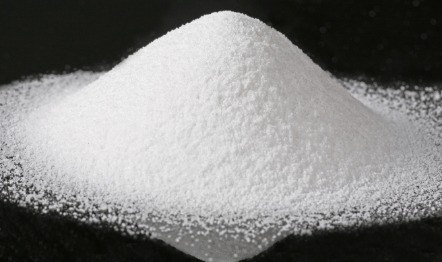
Zinc Oxide
Found this useful?