ADNOC’s Covestro Acquisition Positions Group as Top-Five Global Chemicals Player
ADNOC’s proposed acquisition of Covestro is intended to support its goal of becoming a top-five global chemicals company, marking a decisive shift from pure-play oil producer to diversified energy and materials conglomerate. This strategic repositioning encompasses gas, LNG, chemicals and low-carbon energy sectors that collectively reduce hydrocarbon revenue dependency while capturing higher-margin downstream value. For chemical traders and procurement managers sourcing polycarbonate or polyurethane feedstocks, this transformation signals emergence of a new integrated supplier with unprecedented scale and feedstock advantages. The combination creates vertical linkages from Gulf hydrocarbons through European specialty polymers that few competitors can replicate structurally. Buyers should interpret this ambition as commitment to sustained capital investment rather than opportunistic financial engineering. Market participants now anticipate portfolio rationalization and capacity expansion decisions aligned with long-term competitive positioning objectives. This evolution reshapes supplier evaluation criteria beyond traditional metrics toward strategic alignment and resilience considerations.
Strategic Logic Behind Top-Five Ambition
Achieving top-five global chemicals ranking requires combining organic growth with transformative acquisitions that add meaningful scale and capability breadth. Covestro contributes approximately €14 billion in annual revenues and leading positions in engineering plastics and polyurethane precursors that immediately elevate ADNOC’s industry standing. This transaction accelerates timeline achievement by decades compared to greenfield buildout strategies alone.
Diversification beyond crude oil exports addresses structural vulnerabilities inherent in commodity-dependent national economies. Gas and LNG businesses provide stable cash flows tied to long-term contracts rather than spot market volatility. Chemicals capture additional value from each barrel of hydrocarbon processed domestically rather than exporting raw feedstocks at commodity prices.
Low-carbon energy investments position the combined group for regulatory compliance and customer sustainability requirements intensifying globally. Hydrogen production, carbon capture utilization and renewable power generation capabilities differentiate ADNOC from traditional petrochemical peers facing decarbonization pressures. Buyers increasingly factor supplier carbon intensity into sourcing decisions, making this strategic pillar commercially relevant beyond environmental stewardship considerations.
Vertical Integration Advantages for Polymer Buyers
Integrated energy-chemical companies control feedstock supply chains from wellhead through final polymer production, insulating downstream operations from market volatility. ADNOC’s upstream assets provide cost-advantaged ethylene, propylene and chlorine intermediates that feed Covestro’s European manufacturing sites. This structural advantage translates into competitive pricing flexibility during margin compression cycles when standalone producers face existential pressure.
Feedstock security matters equally for supply continuity during geopolitical disruptions or logistics crises. Integrated groups can redirect internal material flows to prioritize strategic customers when external markets tighten unexpectedly. Buyers dependent on merchant feedstock suppliers lack this protection mechanism and face allocation risks during shortage periods.
Technology integration across the value chain enables development of differentiated products combining upstream molecule expertise with downstream application knowledge. Joint R&D initiatives between ADNOC’s catalysis teams and Covestro’s polymer scientists may yield novel materials addressing emerging customer needs. Procurement organizations benefit from participating in co-development programs that secure early access to next-generation solutions.
Portfolio Diversification Across Energy and Materials
Gas and LNG businesses contribute stable baseload revenues that fund cyclical chemical investments during downturns without excessive leverage. Long-term offtake agreements with Asian utilities provide predictable cash visibility supporting capital allocation discipline. This financial resilience enables counter-cyclic investment strategies that strengthen competitive position when weaker peers defer maintenance or delay expansions.
Chemicals segment diversification spans commodity intermediates through specialty polymers serving automotive, construction and electronics end markets. Covestro adds high-value engineering plastics and polyurethane systems that complement ADNOC’s existing polyolefin and fertilizer portfolios. Balanced exposure across value chain segments reduces earnings volatility compared to concentrated commodity plays.
Low-carbon energy initiatives create optionality in emerging hydrogen and circular economy markets where first-mover advantages persist. Green hydrogen production using renewable power enables decarbonized ammonia and methanol synthesis for export markets demanding verified sustainability credentials. Circular polymer recycling investments address plastic waste regulations tightening across European and Asian jurisdictions.
Competitive Positioning Against Global Peers
Top-five chemicals companies typically include BASF, Sinopec, Dow, SABIC and INEOS based on revenue scale and geographic reach. ADNOC-Covestro combination approaches this tier through complementary asset footprints spanning Middle East feedstock advantages and European technology leadership. This hybrid model differs fundamentally from purely regional players constrained by local market dynamics or resource availability.
Scale enables procurement leverage across shared feedstock, utility and logistics spend categories that smaller competitors cannot match. Centralized sourcing functions negotiate volume discounts and preferential contract terms that flow through to product competitiveness. Buyers benefit indirectly through improved supplier financial health and sustained investment capacity even if direct price concessions remain limited.
R&D spending capacity correlates strongly with revenue scale in innovation-intensive specialty chemicals segments. Combined entity can fund parallel research streams across multiple technology platforms without sacrificing near-term profitability. Customers evaluating long-term supplier partnerships prioritize innovation pipelines alongside current product portfolios when selecting strategic vendors for multi-year programs.
Capital Allocation Discipline Under State Ownership
State-owned enterprises sometimes pursue uneconomic investments driven by political objectives rather than commercial returns. ADNOC has demonstrated increasing discipline through recent portfolio rationalization and partnership structures that share risk with private capital. Covestro acquisition includes governance safeguards ensuring operational autonomy and commercial decision-making independence post-integration.
Dividend policies balance shareholder returns with reinvestment requirements for long-term competitiveness. Transparent capital allocation frameworks enable external stakeholders to evaluate investment quality against stated strategic priorities. Buyers gain confidence when suppliers demonstrate consistent execution against published roadmaps rather than reactive course corrections.
Debt management practices reflect conservative leverage targets appropriate for cyclical industry exposure. Maintaining investment-grade credit ratings ensures access to capital markets during stress periods without distress pricing or covenant restrictions. Financial stability translates directly into supply reliability for customers managing lean inventories and just-in-time manufacturing operations.
Adjusting Supplier Evaluation Criteria for Integrated Groups
Assess feedstock integration depth to understand true cost advantage sustainability versus temporary promotional pricing.
Evaluate low-carbon energy commitments against verified third-party certifications rather than aspirational corporate statements.
Request transparency on capital allocation priorities to confirm alignment with your own long-term supply security requirements.
Benchmark service levels against standalone chemical peers to verify integration hasn’t degraded customer-facing operational performance.
Monitor governance structures ensuring commercial decision-making remains independent from non-economic strategic considerations.
ADNOC’s top-five chemicals ambition transforms the Covestro acquisition from tactical deal into foundational repositioning of Gulf capital within global materials markets. Industrial procurement professionals who understand this strategic context will evaluate supplier relationships through lenses extending beyond traditional price and delivery metrics. Ready to source polycarbonate from verified global suppliers? Explore competitive offers on our platform today.
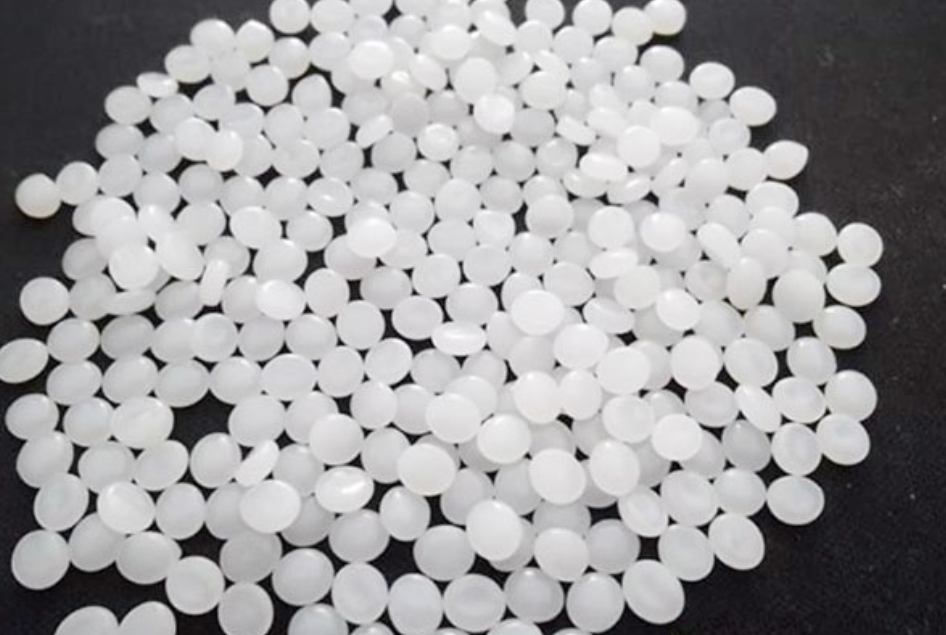
High Density Polyethylene (HDPE)
Found this useful?