
IMCD’s Thai Plastics Deal and the Future of Regional Food Packaging Additives Supply
A major change in Southeast Asia’s plastics distribution landscape could have implications beyond the plastics sector itself. IMCD’s acquisition of Merit Solution, a Thai plastics additives distributor, strengthens its position in a market that includes food packaging-adjacent compounding and creates a development that procurement teams should monitor closely.
For chemical traders, importers and industrial buyers, the deal highlights the growing importance of regional distribution networks. Plastics additives supply depends not only on chemical availability but also on technical support, formulation knowledge, logistics and reliable relationships between producers, distributors and compounders.
The impact may become particularly relevant for companies sourcing materials used in packaging applications, where compound performance, consistency and processing characteristics can directly influence manufacturing efficiency.
Why the IMCD Merit Solution Deal Matters for Plastics Additives Supply
The acquisition brings together a global specialty chemicals distribution platform and a Thai distributor focused on plastics additives. That combination can strengthen market reach while giving customers access to a broader commercial and technical network.
For buyers, the strategic importance extends beyond a single corporate transaction. Distribution companies often sit between chemical manufacturers and downstream processors, helping customers identify suitable materials, manage supply requirements and address application-specific challenges.
Merit Solution’s position in Thailand gives the transaction a clear regional dimension. Thailand serves as an important manufacturing base for plastics and packaging, while Southeast Asia supports a wide network of converters, compounders and manufacturers serving domestic and export markets.
The deal therefore creates a potential pathway for stronger regional coordination around additives, formulation support and customer service.
Food Packaging Applications Could Create Additional Demand
Food packaging represents an important downstream area to watch because plastics used in packaging require carefully controlled performance characteristics. Additives can help processors achieve properties such as durability, processing efficiency, stability and the appearance required for specific applications.
The acquisition does not mean every packaging material will experience an immediate change in supply. Instead, it places greater attention on the distribution infrastructure supporting food packaging-adjacent compounding, where additive selection and technical expertise can influence finished material performance.
Several factors make this segment commercially significant:
Consistent material performance: Packaging converters need reliable input materials to maintain production quality across batches.
Processing efficiency: Additives can support manufacturing requirements by influencing how polymers behave during processing.
Application-specific formulation: Compounders often need materials selected according to the performance requirements of a particular packaging product.
Supplier responsiveness: Regional distributors can help manufacturers respond faster when specifications, volumes or production conditions change.
For procurement teams, the key question is not simply which additives are available. It is whether suppliers can consistently deliver the right grade, technical support and commercial terms for the intended application.
Thailand’s Role in the Regional Plastics Market
Thailand’s established industrial base gives the acquisition relevance beyond the domestic market. A strong plastics ecosystem can connect raw material producers, additive suppliers, compounders, converters and manufacturers across several stages of the value chain.
For distributors, this environment provides opportunities to serve customers that require both chemical products and application expertise. For buyers, it can create access to regional sourcing options that may complement direct purchasing from overseas manufacturers.
The regional nature of plastics manufacturing also makes distribution coverage important. A supplier with strong relationships and technical capabilities can potentially support customers across multiple production sites rather than handling each purchasing requirement as an isolated transaction.

What Buyers Should Watch in Plastics Additives Procurement
The IMCD and Merit Solution transaction provides procurement teams with a reason to reassess how they evaluate additive suppliers. Chemical purchasing decisions increasingly involve more than comparing quoted prices.
Supply reliability should remain a central consideration. Buyers need confidence that their distributor can maintain availability when production schedules change or demand increases.
Technical support also matters, especially for compounders that work with application-specific formulations. A distributor that understands processing requirements can provide greater value than a supplier that simply moves material from manufacturer to customer.
Procurement teams should evaluate:
Product grade and technical specifications
Supply continuity and regional inventory capabilities
Technical support for formulation and processing requirements
Documentation and quality consistency
Lead times and shipment flexibility
Supplier relationships with upstream manufacturers
Ability to support growing or changing production volumes
This broader evaluation can help buyers reduce the risk of selecting suppliers solely because they offer the lowest initial quotation.
How Distribution Networks Influence Chemical Trade
Chemical distribution plays a critical role in markets where manufacturers need specialized materials but may not purchase directly from producers. Distributors can consolidate demand, manage regional relationships and provide local market knowledge.
For international traders, this structure can influence the flow of products through Southeast Asia. A distributor with established customer relationships can connect global chemical producers with smaller or specialized processors that may not have the purchasing scale required for direct sourcing.
This model can also help buyers manage procurement complexity. Instead of coordinating multiple overseas suppliers independently, customers may work with regional partners that understand local logistics, product requirements and commercial practices.
The IMCD acquisition illustrates how consolidation within distribution can influence these relationships. As larger companies strengthen their regional positions, buyers may gain access to broader portfolios and more integrated support.
Plastics Additives Supply Chains Face Several Procurement Risks
Despite the potential advantages of stronger distribution networks, buyers still need to manage the risks associated with specialty chemical sourcing.
Plastics additives can represent a relatively small portion of a finished product’s total material volume while having a significant effect on processing and performance. A disruption in one additive stream can therefore create operational problems disproportionate to the quantity involved.
Common risks include:
Supply concentration: Heavy dependence on one distributor or producer can leave manufacturers exposed if availability changes.
Specification changes: Even small differences between grades can affect processing or finished product characteristics.
Logistics disruptions: International shipments can face delays related to freight capacity, port congestion or regional transportation constraints.
Demand fluctuations: Sudden changes in packaging or plastics production can place pressure on regional inventories.
Technical switching costs: Replacing an additive may require testing, formulation adjustments and production validation before a manufacturer can adopt an alternative.
These risks make supplier diversification and advance planning particularly important for businesses with continuous manufacturing operations.
What the Deal Could Mean for Chemical Traders and Importers
Chemical traders can view the transaction as a signal that regional specialization remains important in Southeast Asian plastics markets. Companies with strong local knowledge and access to reliable upstream producers may find opportunities as customers seek dependable alternatives to fragmented sourcing.
Importers should also pay attention to how regional distribution changes affect purchasing routes. A stronger distributor network can potentially make certain products easier to access locally, while changes in supplier relationships may alter the commercial structure surrounding particular grades.
For traders, several opportunities stand out:
Building relationships with regional plastics compounders that need consistent additive supply.
Offering multiple sourcing options to customers concerned about supply concentration.
Supporting smaller processors that need technical guidance alongside chemical products.
Tracking packaging-related demand that could influence additive purchasing requirements.
The strongest commercial opportunities will likely come from understanding the application rather than treating additives as interchangeable commodities.
Regulatory and Quality Requirements Remain Central to Packaging Supply
Food packaging-related plastics require careful attention to material suitability and quality requirements. Buyers cannot treat an additive as appropriate for a packaging application simply because it performs well in a general plastics formulation.
Procurement teams should therefore maintain clear documentation requirements and confirm that purchased materials meet the specifications relevant to their intended application. This becomes particularly important when buyers evaluate alternative grades or change suppliers.
A distributor with strong technical capabilities can support this process by helping customers understand product documentation, specifications and application considerations.
For exporters and importers, documentation also supports smoother commercial transactions. Clear specifications can reduce misunderstandings between suppliers and buyers and help manufacturers maintain consistent internal quality controls.
How Procurement Teams Can Respond to Regional Market Changes
The acquisition provides a useful reminder that supply chain strategy should evolve alongside changes in the distribution market. Buyers that regularly review their supplier networks can identify potential vulnerabilities before they become production problems.
A practical procurement review can start with four steps:
Map critical additives: Identify which materials have the greatest impact on production continuity or product performance.
Review supplier concentration: Determine where the business relies too heavily on one supplier, distributor or geographic market.
Assess technical requirements: Separate products that can be easily substituted from those that require extensive testing before replacement.
Strengthen regional options: Explore qualified distributors and manufacturers that can provide dependable supply within the relevant market.
This approach allows purchasing teams to balance cost with continuity, technical performance and long-term supplier resilience.
Looking Ahead at Southeast Asia’s Plastics Additives Market
The IMCD acquisition of Merit Solution adds another layer to the evolving structure of Southeast Asia’s plastics additives market. Its significance lies in the combination of regional market access, specialized distribution and the wider needs of plastics processors.
Food packaging-adjacent compounding will remain an area that buyers should monitor because packaging manufacturers depend on reliable material performance and consistent production inputs. Additives can play an important role in achieving those requirements, even when they represent only a fraction of the finished formulation.
For chemical traders and procurement managers, the broader lesson is clear. Regional distribution strength can influence how efficiently specialty chemicals move from producers to processors, and companies that understand these supply relationships can make more resilient sourcing decisions.
As competition develops across Southeast Asia, buyers should compare suppliers based on availability, technical capability, quality consistency and long-term reliability rather than focusing on price alone. Strong supplier relationships can become a competitive advantage when markets tighten or production requirements shift.
Ready to source Titanium Dioxide from verified global suppliers? Explore competitive offers on our platform today.
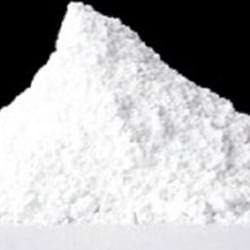
Titanium Dioxide
Found this useful?