
The EU's PFAS Restriction Isn't Law Yet — But ECHA's March 2026 Scientific Opinions Make It a Near-Certainty
The EU-wide restriction proposal covering per- and polyfluoroalkyl substances (PFAS) has moved significantly closer to a regulatory outcome in 2026, but it is not yet an adopted REACH restriction.
The European Chemicals Agency's Risk Assessment Committee (RAC) adopted its scientific opinion on 3 March 2026. ECHA then published the draft opinion from its Socio-Economic Analysis Committee (SEAC), with a public consultation running from 26 March to 25 May 2026. ECHA expects SEAC to adopt its final opinion by the end of 2026, after which the European Commission would develop a restriction proposal for consideration by EU Member States.
That means companies should distinguish between PFAS rules that are already legally binding, narrower restrictions coming into force in 2026, and the much broader universal PFAS restriction that is still moving through the EU legislative process.
Why the 2026 ECHA Opinions Matter
The original PFAS restriction proposal was submitted to ECHA in January 2023 by authorities from Denmark, Germany, the Netherlands, Norway, and Sweden.
It covers PFAS as a broad chemical class rather than targeting only individual substances.
RAC's March 2026 opinion concluded that PFAS present growing risks to people and the environment and supported EU-wide action. SEAC's draft opinion subsequently supported an EU-wide restriction with targeted derogations.
This does not mean the final legal restriction has already been decided.
However, the scientific evaluation has moved substantially further than it was a year earlier.
The Broader PFAS Restriction Is Still Not Law
The regulatory sequence is important:
RAC Opinion → SEAC Final Opinion → European Commission Proposal → REACH Committee → Adoption → Implementation
ECHA states that the final SEAC opinion is expected by the end of 2026. The Commission would then use the two committee opinions to develop a restriction proposal for discussion and voting by the REACH Committee, which is composed of EU Member States.
Therefore, companies should not treat the universal PFAS restriction as an immediate 2026 compliance deadline.
The timing of the eventual Annex XVII entry remains dependent on the subsequent EU process.
What Is Already Changing in 2026?
The broader proposal is not the only PFAS regulatory development companies need to monitor.
Some narrower PFAS restrictions are already scheduled under REACH.
For example, the existing PFHxA restriction provides that, from 10 October 2026, PFHxA, its salts, and PFHxA-related substances above specified concentration thresholds cannot be placed on the market or used in certain applications, including specified textiles, footwear, paper and cardboard used as food-contact materials, mixtures for the general public, and cosmetics.
This creates an important compliance distinction:
Some PFAS restrictions are already legally scheduled, while the universal PFAS restriction remains under development.
Food-Contact Materials Require Particular Attention
Food and beverage companies should pay close attention to PFAS restrictions affecting packaging and food-contact materials.
The PFHxA restriction specifically includes paper and cardboard used as food-contact materials within its October 2026 scope, subject to the applicable thresholds and conditions.
For packaging manufacturers and food companies, this means PFAS compliance is not simply a future issue connected to the universal restriction.
Certain product categories already have defined regulatory requirements.
Procurement teams should therefore verify:
Packaging material composition
PFAS declarations
Supplier documentation
Applicable concentration thresholds
Food-contact compliance
Alternative material availability
What the SEAC Consultation Revealed
The consultation on the SEAC draft opinion generated significant stakeholder participation.
ECHA reported that 3,511 comments from more than 3,200 organizations and 250 individuals were submitted during the consultation, which ran from 26 March to 25 May 2026. SEAC is assessing those contributions before adopting its final opinion.
The volume of feedback illustrates how broadly the proposed restriction could affect industrial supply chains.
Companies across multiple sectors have an interest in the final treatment of:
Critical uses
Derogations
Alternatives
Transition periods
Technical feasibility
Economic impacts
The final opinion could therefore differ in important details from the draft.
Manufacturers Should Start Mapping PFAS Exposure
Even though the universal restriction is not yet law, manufacturers and importers can begin preparing without assuming the final outcome.
1. Identify PFAS Use
Determine where PFAS may be present in:
Raw materials
Formulations
Processing aids
Coatings
Lubricants
Equipment
Packaging
Finished products
2. Map Suppliers
Identify which suppliers manufacture PFAS-containing materials and where those suppliers are located.

3. Collect Documentation
Request information covering:
Substance identity
PFAS content
Concentration
Intended use
Regulatory status
Available alternatives
4. Classify Critical Uses
Not every PFAS application has the same regulatory or operational importance.
Companies should identify applications where substitution could create:
Product-performance problems
Safety concerns
Validation requirements
Long qualification timelines
Production disruptions
Substitution Planning Should Start Before the Final Rule
One of the biggest practical challenges is that substitution can take years.
For some industrial applications, replacing a PFAS-based material may require:
Laboratory testing
Reformulation
Equipment changes
Customer approval
Regulatory review
Production trials
Performance validation
Waiting until a final restriction enters into force could therefore leave companies with limited time to qualify alternatives.
The appropriate strategy is not necessarily to replace every PFAS application immediately.
Instead, companies can prioritize high-risk or difficult-to-substitute applications for early technical evaluation.
Procurement Implications
PFAS regulation is increasingly becoming a procurement issue rather than a compliance-department issue alone.
Buyers should consider adding PFAS-related questions to supplier qualification processes.
These can include:
Does the product contain PFAS?
Which PFAS definition applies?
What is the concentration?
Is the supplier monitoring the EU restriction proposal?
Are alternative grades available?
Can the supplier provide regulatory declarations?
What transition support can the supplier provide?
This can help companies identify regulatory exposure before it becomes a supply-chain problem.
What Companies Should Monitor Through the Rest of 2026
The most important regulatory milestones are now relatively clear.
SEAC Final Opinion
ECHA expects the final SEAC opinion by the end of 2026.
European Commission Proposal
Following the two ECHA committee opinions, the Commission will develop the proposed restriction.
REACH Committee Process
EU Member States will subsequently consider the Commission's proposal.
Existing PFAS Restrictions
Companies must separately monitor restrictions that already have defined application dates, such as the PFHxA measures taking effect in October 2026.
Looking Ahead
The most important change in 2026 is not that the universal PFAS restriction has become law.
It is that the scientific evaluation has advanced significantly.
ECHA's RAC opinion, the SEAC draft opinion, and the completed public consultation provide a much clearer picture of the direction of travel, while the final legal requirements and timing remain dependent on the European Commission and Member State process.
For manufacturers and importers, the sensible approach is therefore to separate known obligations from future regulatory scenarios.
Known restrictions should be addressed immediately.
For the broader PFAS proposal, companies should focus on exposure mapping, supplier documentation, alternative-material screening, and critical-use analysis while the final regulatory framework develops.
That preparation can reduce the risk of having to make rushed sourcing or reformulation decisions once the EU's final position becomes clearer.
Key Takeaways
ECHA's RAC adopted its PFAS restriction opinion in March 2026.
SEAC's draft opinion underwent public consultation from 26 March to 25 May 2026.
ECHA expects the final SEAC opinion by the end of 2026.
The universal PFAS restriction is not yet an adopted REACH restriction.
Separate PFAS restrictions are already scheduled, including PFHxA restrictions taking effect on 10 October 2026 for specified applications.
Food-contact packaging is one area requiring immediate attention under the existing PFHxA restriction.
Manufacturers should map PFAS exposure and begin evaluating alternatives before the broader restriction becomes legally applicable.
Procurement teams should add PFAS status, documentation, and substitution readiness to supplier assessments.
Sources
https://www.safic-alcan.com/en-fr/industry-articles/reach-2026-restricted-substances/ | https://www.datamintelligence.com/blogs/chemical-substitution-trends-pfas-alternatives | https://www.pcimag.com/articles/115009-pfas-update-2026
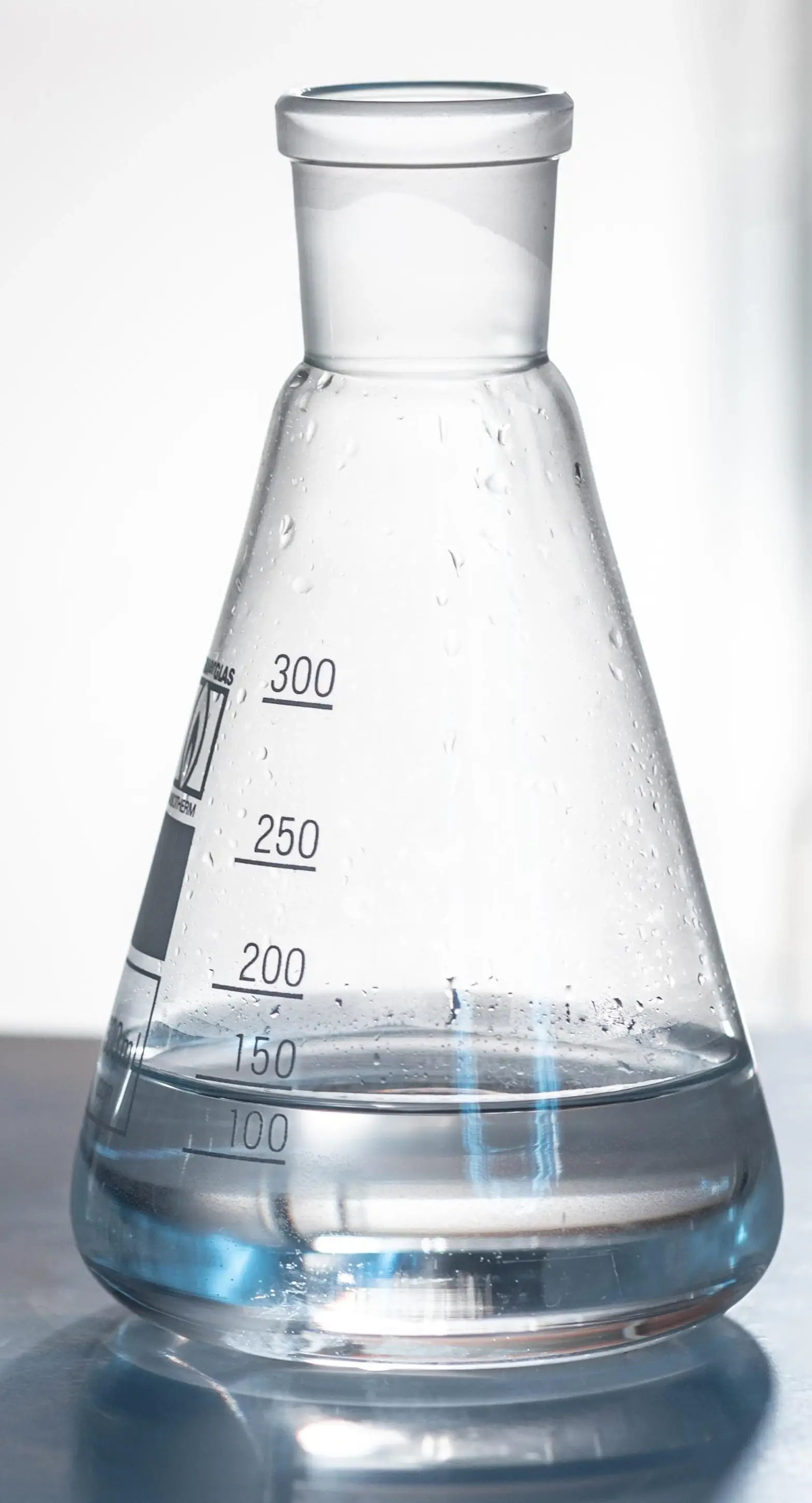
Mono Propylene Glycol (E1520)
Found this useful?