A Binder Used in Mattresses and Insulation Just Got Fully Bio-Circular Certified
A Binder Used in Mattresses and Insulation Just Got Fully Bio-Circular Certified
A Step Toward More Sustainable Binder Materials
Binders play an important role in products that consumers may not normally associate with advanced chemical technology. They help hold materials together and can be found in applications ranging from mattresses and furniture to insulation and construction products.
A new certification for a binder used in mattresses and insulation applications highlights the industry's growing move toward renewable and circular feedstocks.
The certification provides evidence that the material's production chain can incorporate bio-circular raw materials, helping manufacturers reduce their reliance on conventional fossil-based feedstocks while maintaining the performance required for demanding applications.
What Does Bio-Circular Mean?
Bio-circular materials combine two important principles of the circular economy.
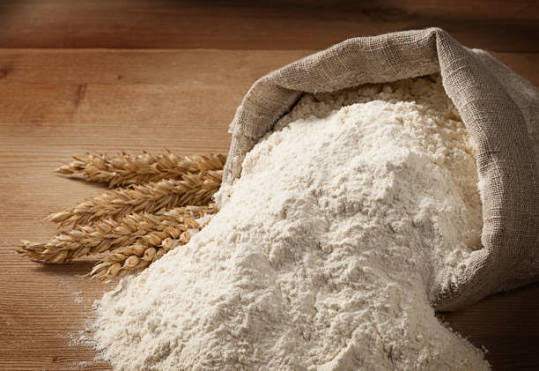
Bio-based feedstocks can originate from renewable biological resources, while circular feedstocks can come from materials such as waste and residues that are recovered and reused rather than treated as waste.
When these feedstocks are introduced into chemical production, certification systems can provide traceability across the supply chain.
For manufacturers, this is increasingly important because sustainability claims need to be supported by transparent documentation rather than simply relying on the renewable origin of a raw material.
Certification Strengthens Supply-Chain Traceability
The certification of the binder is significant because it provides a framework for tracking alternative raw materials through the production process.
One of the most widely used certification systems for this purpose is ISCC PLUS, which verifies the traceability of sustainable raw materials through complex supply chains.
Under a mass-balance approach, renewable or circular feedstocks can be introduced into an existing production system and allocated to certified products according to defined accounting rules.
This allows manufacturers to use existing infrastructure while progressively increasing the share of alternative feedstocks.
Applications in Mattresses and Insulation
The binder's applications make the development particularly relevant to the construction and furniture industries.
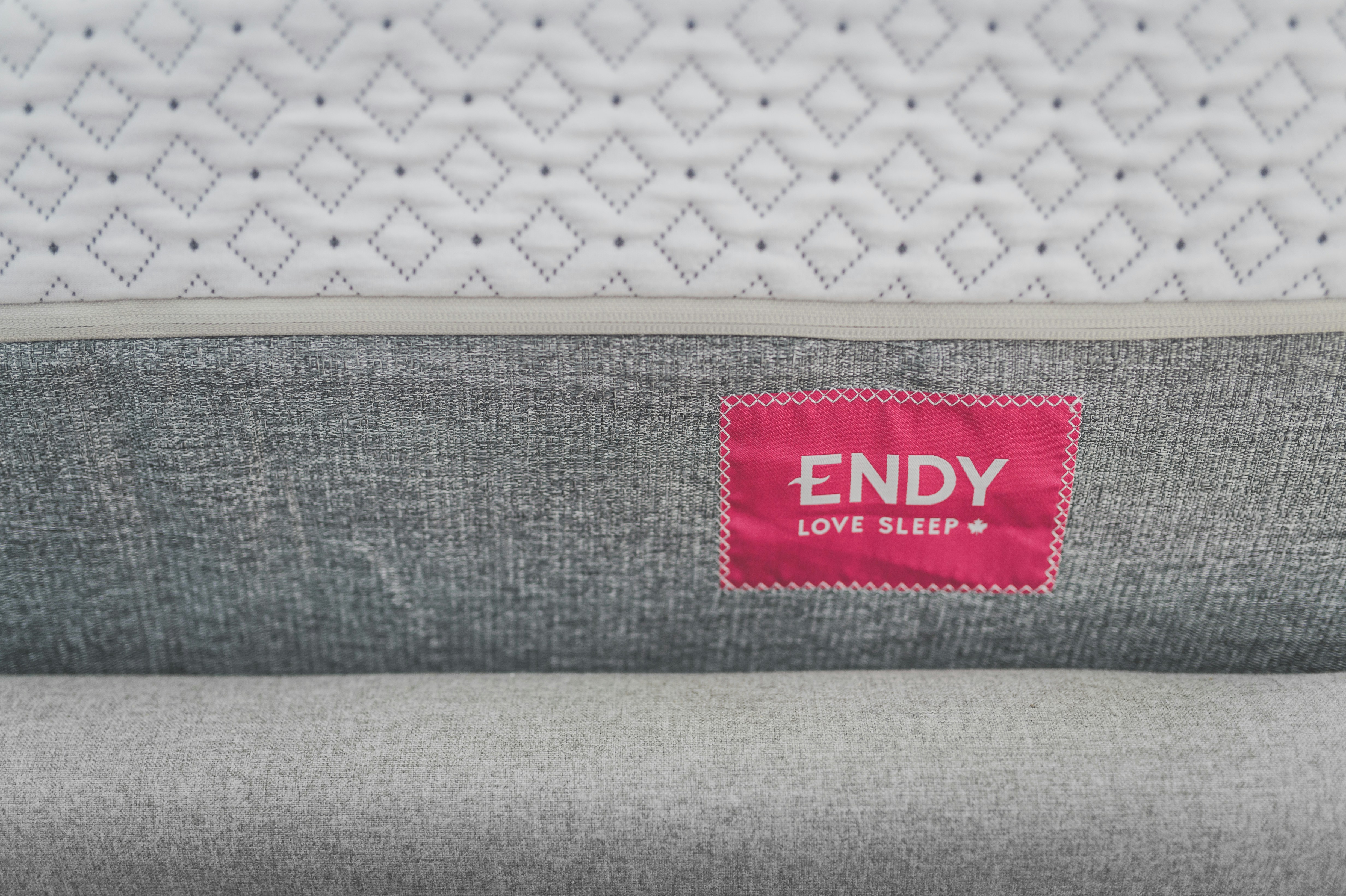
In mattresses, binders can be used in foam and other composite structures where material integrity, durability and comfort are important.
In insulation, binder systems help hold fibers or other insulating components together. Performance requirements can be demanding because insulation materials need to maintain their structural integrity over long periods while contributing to energy efficiency.
Moving these applications toward circular or renewable feedstocks therefore requires more than simply replacing one ingredient. The resulting material must continue to deliver the technical performance expected by manufacturers and end users.
Why Bio-Circular Feedstocks Matter
The chemical industry is under increasing pressure to reduce its dependence on fossil resources. While recycling is an important part of this transition, not every material can be easily mechanically recycled at the end of its life.
Bio-circular feedstocks provide another potential pathway.
Instead of relying exclusively on newly extracted fossil raw materials, manufacturers can incorporate renewable biomass-derived feedstocks and circular raw materials into chemical production.
This approach can help conserve finite resources and support the development of more circular value chains.
The Role of Mass Balance
A major advantage of mass-balance systems is that companies do not necessarily need to build completely separate manufacturing infrastructure for sustainable materials.
Alternative feedstocks can be introduced into existing chemical production systems. Certified accounting then tracks the amount of sustainable feedstock entering the process and assigns the corresponding quantity to certified products.
This approach can accelerate the adoption of renewable and circular feedstocks because manufacturers can work with established production assets rather than waiting for entirely new facilities.
However, mass balance also requires strong chain-of-custody systems. Certification is therefore important for demonstrating that sustainability claims are supported by documented material flows.
Supporting the Transition to Circular Chemistry
The certification of binders used in everyday products demonstrates how circularity is increasingly moving beyond high-profile applications such as packaging and recycling.
Materials used inside mattresses, insulation, furniture and construction products can also contribute to the transition toward more sustainable chemical value chains.
For manufacturers, certified bio-circular products can provide a way to respond to growing customer demand for lower-impact materials while continuing to meet established performance requirements.
For the chemical industry, these developments demonstrate the broader potential of combining renewable feedstocks, circular raw materials and certified supply chains.
What This Could Mean for Manufacturers
The availability of certified bio-circular binders could give manufacturers another option when developing products with improved sustainability profiles.
Potential benefits include:
Greater use of renewable and circular feedstocks
Reduced dependence on virgin fossil resources
Improved traceability of alternative raw materials
Support for corporate circularity targets
More sustainable material options for mattresses and insulation
Integration with existing chemical production infrastructure
The actual environmental benefit will depend on the specific feedstock, production route, allocation method and supply chain involved. Certification helps establish the chain of custody, while manufacturers still need to evaluate the overall environmental performance of their products.
A Growing Market for Certified Sustainable Materials
The certification of a binder for mattress and insulation applications reflects a wider shift in the chemicals and materials industry.
Rather than focusing only on recycling finished products, companies are increasingly examining where the raw materials entering chemical production come from.
Bio-circular certification can help connect renewable and recovered feedstocks with established industrial applications. As more chemical products receive certification, manufacturers may have greater flexibility to introduce circular and renewable content into products without sacrificing performance.
For sectors such as furniture, bedding and construction, this could create new opportunities to reduce the fossil-resource intensity of materials used throughout the product lifecycle.
https://www.polymerupdate.com/PressRelease/Details/41826?
https://www.iscc-system.org/wp-content/uploads/2025/11/ISCC-PLUS-202-5-Waste-and-Residues-v1.1.pdf?
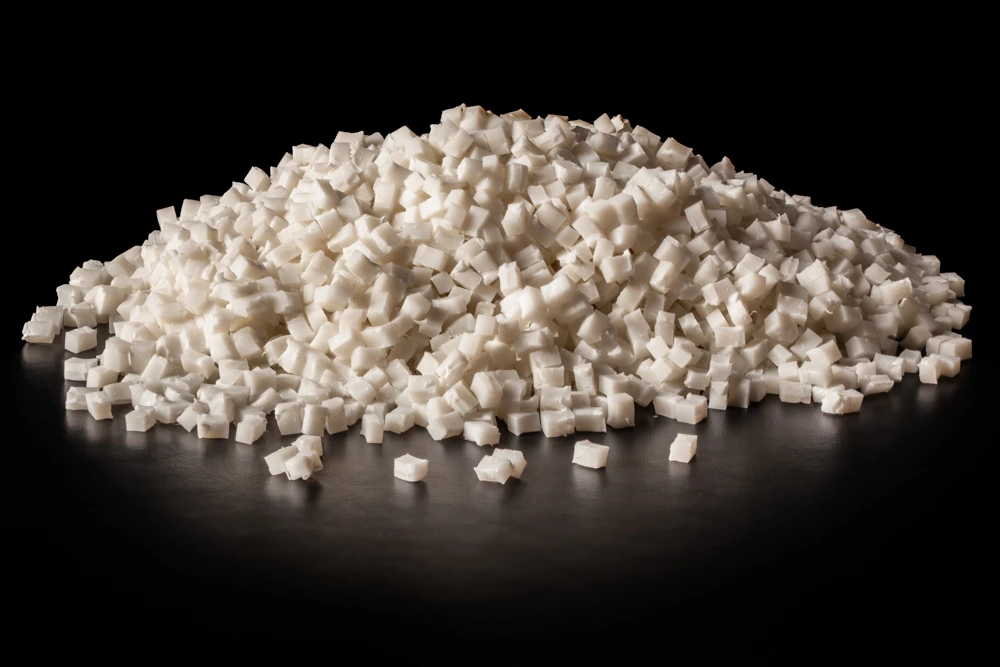
High-Impact Polystyrene (HIPS)
Found this useful?