A Complete Guide to Industrial Pigments and Their Applications
Understanding Industrial Pigments
Industrial pigments are finely divided solid materials used to add colour, opacity and specific functional properties to manufactured products. They are incorporated into materials such as paints, coatings, plastics, inks, rubber, ceramics and construction products.
Unlike dyes, which generally dissolve in the medium in which they are used, pigments are usually insoluble and remain dispersed throughout the material. Their performance depends on particle size, chemical composition, dispersion quality and compatibility with the application.
Industrial manufacturers select pigments according to the required colour, brightness, hiding power, heat resistance, weatherability and chemical stability. Choosing the correct pigment is important because it directly affects the appearance, performance and consistency of the finished product.
Main Types of Industrial Pigments
Industrial pigments are commonly classified into organic and inorganic categories. Each group offers different characteristics and is suitable for particular manufacturing requirements.
1. Organic Pigments
Organic pigments are carbon-based colourants known for their bright and intense colours. They are commonly used where manufacturers require strong colour performance, high colour strength and a wide range of shades.
Common examples include:
Azo pigments
Phthalocyanine blue
Phthalocyanine green
Quinacridone pigments
Dioxazine violet pigments
Perylene pigments
Industrial applications: Organic pigments are widely used in printing inks, automotive coatings, decorative paints, plastics, packaging materials and textile-related applications.
Their advantages include strong colour intensity, attractive shades and good tinting strength. However, their resistance to heat, light, solvents and weathering varies depending on the pigment chemistry and grade.
2. Inorganic Pigments
Inorganic pigments are generally mineral-based or metal-compound colourants. They are valued for their durability, opacity, heat resistance and stability in demanding industrial environments.
Common examples include:
Iron oxide pigments
Titanium dioxide
Chromium oxide green
Ultramarine blue
Carbon black
Cobalt-based pigments
Industrial applications: Inorganic pigments are used in construction materials, paints, protective coatings, plastics, ceramics, rubber and industrial finishes.
Many inorganic pigments offer excellent weather resistance and long-term colour stability. However, their colour range and intensity may differ from those available with organic pigments.
3. White Pigments
White pigments are used to provide brightness, opacity and light scattering in manufactured products.
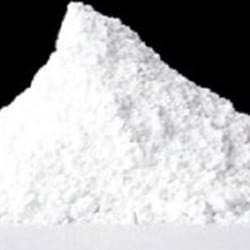
Titanium dioxide (TiO₂) is one of the most widely used white pigments because of its high refractive index and strong hiding power.
Industrial applications: White pigments are commonly used in paints, coatings, plastics, paper, printing inks and selected construction products.
The performance of titanium dioxide depends on its grade, particle characteristics, surface treatment and suitability for the intended application.
4. Black Pigments
Black pigments provide deep colour, opacity and, in some applications, functional properties such as electrical conductivity or ultraviolet protection.
Carbon black is a major industrial black pigment. Different grades are produced to meet requirements for colour strength, particle size, structure and surface chemistry.
Industrial applications: Carbon black is used in rubber products, tyres, plastics, printing inks, paints, coatings and selected conductive materials.
The correct grade is important because different carbon black types can produce different levels of colour intensity, dispersion and reinforcement.
5. Special-Effect Pigments
Special-effect pigments create visual effects such as metallic appearance, pearlescence, colour travel or reflective finishes.
Common examples include:
Aluminium pigments
Bronze pigments
Mica-based pearlescent pigments
Interference pigments
Special-effect coated particles
Industrial applications: These pigments are used in automotive finishes, decorative coatings, cosmetics, packaging, printing inks and premium plastic products.
Their performance depends on particle shape, orientation, coating technology and dispersion during manufacturing.

Industrial Applications of Pigments
Pigments are essential in many manufacturing sectors because they provide colour and can also improve the functional performance of materials.
Paints and Coatings
The paints and coatings industry is one of the largest users of industrial pigments. Pigments provide colour, opacity and protection-related properties to decorative and industrial coatings.
Titanium dioxide is commonly used for whiteness and hiding power, while iron oxides and organic pigments provide different shades.
Specialised pigments are also selected for automotive coatings, marine finishes, protective coatings and industrial equipment.
Plastics and Polymers
Pigments are added to plastic materials during processing to achieve the required colour and appearance.
Common applications include:
Packaging materials
Household products
Automotive components
Electrical equipment
Plastic films and containers
Construction plastics
Pigments used in plastics must withstand processing temperatures and remain compatible with the polymer system. Dispersion quality is also important to avoid colour streaks, spots and uneven appearance.
Printing Inks
Printing inks use pigments to produce consistent colours on paper, packaging, labels and other printed surfaces.
Organic pigments are often selected for their bright shades and colour strength, while carbon black is widely used for black inks.
Important performance requirements include printability, colour consistency, transparency or opacity, lightfastness and compatibility with the ink formulation.
Construction Materials
Pigments are used to colour concrete, cement, tiles, paving blocks, roofing materials and other construction products.
Iron oxide pigments are commonly used in cement-based materials because of their durability and suitability for producing red, yellow, brown and black shades.
Pigments for construction applications should maintain colour consistency and withstand exposure to sunlight, moisture and environmental conditions.
Rubber and Tyre Manufacturing
Pigments provide colour to rubber products and may also contribute to functional performance.
Carbon black is particularly important in tyre and rubber manufacturing, where it is used as a reinforcing filler as well as a black pigment.
Other pigments are used in footwear, hoses, seals, industrial rubber components and coloured consumer products.
Textile and Leather Applications
Pigments are used in selected textile printing, coating and finishing processes. They can provide colour to fabrics and surface treatments without relying on conventional dyeing mechanisms.
Their selection depends on binder compatibility, adhesion, washing resistance, rubbing resistance and the required appearance of the finished material.
Essential Quality Requirements for Industrial Pigments
Pigment quality affects the appearance, durability and manufacturing performance of the final product. Industrial buyers should evaluate technical specifications rather than selecting products based on colour alone.
1. Colour Strength and Shade Consistency
Colour strength describes how effectively a pigment produces the required colour in a formulation.
Manufacturers need consistent shades across production batches to maintain product quality. Variations in pigment concentration, particle characteristics or manufacturing conditions can affect the final colour.
Colour testing and comparison against approved standards help maintain consistency.
2. Particle Size and Particle Distribution
Particle size influences colour strength, opacity, gloss and dispersion behaviour.
A suitable particle size distribution helps pigments perform consistently in paints, plastics and printing inks. Poorly controlled particles or agglomerates may create surface defects and uneven colour.
3. Dispersion Performance
Pigments must be distributed evenly throughout the material in which they are used.
Poor dispersion can result in:
Colour streaks
Visible particles
Uneven surface appearance
Reduced gloss
Lower colour strength
Processing difficulties
Manufacturers should assess dispersion compatibility with their production equipment and formulation.
4. Lightfastness and Weather Resistance
Lightfastness describes a pigment's ability to resist colour changes when exposed to light.
Weather resistance is particularly important for products used outdoors, such as exterior paints, automotive finishes and construction materials.
Pigments should be selected according to the expected exposure to sunlight, moisture, temperature changes and environmental conditions.
5. Heat Resistance
Heat resistance is essential for pigments used in plastics, powder coatings and other high-temperature manufacturing processes.
A pigment must maintain its colour and stability under the processing conditions of the material. The required temperature resistance should be confirmed using application-specific technical data.
6. Chemical Resistance
Some industrial products are exposed to acids, alkalis, solvents, cleaning agents and other chemicals.
Pigments must provide suitable resistance to these conditions without unacceptable colour changes or degradation. Chemical resistance requirements vary significantly between applications.
7. Opacity and Tinting Strength
Opacity refers to a pigment's ability to hide the surface beneath a coating. Tinting strength describes how effectively it influences the colour of another pigment or material.
These properties are particularly important in paints, coatings, plastics and printing inks.
Important Documents and Specifications Before Purchasing Pigments
Industrial buyers should review technical documentation before approving a pigment supplier or placing bulk orders.
Important documents include:
Technical Data Sheet (TDS): Provides information about pigment properties, recommended applications and performance characteristics.
Safety Data Sheet (SDS): Explains hazards, safe handling, storage and emergency precautions.
Certificate of Analysis (COA): Provides batch-specific test results against the supplier's stated specifications.
Colour samples: Allow manufacturers to compare the pigment shade with an approved reference.
Regulatory documentation: Confirms relevant compliance information for the intended application and destination market.
Buyers should also confirm product grade, batch identification, packaging, shelf life and storage conditions.
For applications involving food-contact packaging, toys, cosmetics or other regulated products, additional compliance requirements may apply. These should be verified for the exact pigment grade and intended use.
How to Select the Right Industrial Pigment Supplier
Choosing a reliable pigment supplier is important for maintaining production quality and avoiding formulation problems.
Industrial manufacturers should consider the following factors:
Product range: Check whether the supplier offers organic, inorganic, white, black and special-effect pigments suitable for the application.
Technical consistency: Review batch specifications and historical product performance.
Application expertise: Evaluate whether the supplier understands the requirements of paints, plastics, inks or construction materials.
Documentation: Request updated TDS, SDS and COA documents.
Sample availability: Test samples before approving a product for large-scale production.
Supply reliability: Consider production capacity, lead times, packaging options and delivery arrangements.
Regulatory support: Confirm that the supplier can provide relevant compliance information for the intended market.
Laboratory trials and production-scale testing can help determine whether a pigment is suitable before long-term procurement.
Improving Pigment Performance in Manufacturing
Selecting a suitable pigment is only one part of achieving consistent product quality. Manufacturing processes must also support proper dispersion, mixing and formulation control.
Companies can improve pigment performance by:
Using suitable dispersion equipment and processing conditions.
Maintaining consistent pigment-to-binder or pigment-to-polymer ratios.
Monitoring temperature during processing.
Following recommended storage and handling practices.
Testing incoming batches against approved specifications.
Maintaining reference samples for colour comparison.
These practices help reduce production defects, improve colour consistency and minimise material waste.
Choosing the Right Pigment for Industrial Applications
Industrial pigments are important raw materials in paints, coatings, plastics, printing inks, rubber and construction products. Organic pigments offer a broad range of bright colours, while inorganic pigments are often selected for durability, opacity and stability. White, black and special-effect pigments serve additional functional and visual requirements.
For manufacturers, the right selection depends on more than colour. Particle size, dispersion, heat resistance, weatherability, chemical compatibility and regulatory requirements all influence pigment performance.
By evaluating technical specifications, testing samples and working with dependable suppliers, businesses can achieve consistent product quality and improve manufacturing efficiency.
Sources
https://echa.europa.eu/information-on-chemicals
https://www.epa.gov/assessing-and-managing-chemicals-under-tsca
Titanium Dioxide
Found this useful?