A Folate-Targeted Delivery System Could Change How Oligonucleotide Drugs Reach Cells
Oligonucleotide medicines can precisely influence biological processes, but getting these molecules into the right cells remains one of the industry's biggest challenges. Nippon Shokubai and PURMX Therapeutics are now evaluating a folate-targeted delivery technology called Fol-Dab8 for use with naturally occurring microRNA.
The Japanese companies began a joint feasibility study on September 29, 2026. Nippon Shokubai has also invested in PURMX through a private placement as part of the collaboration, combining its drug-delivery and manufacturing capabilities with PURMX's microRNA drug-development platform.
For pharmaceutical companies and healthcare ingredient suppliers, the development highlights how drug-delivery systems are becoming increasingly important alongside the active pharmaceutical ingredient itself.
Why Oligonucleotide Delivery Remains Difficult
Oligonucleotides such as small interfering RNA and microRNA can interact with genetic processes in highly targeted ways. However, these molecules can degrade inside the body and have limited ability to enter cells without an effective delivery system.
A drug can therefore have promising biological activity while still facing challenges in reaching the intended tissue at an effective concentration.
Drug delivery systems are designed to address this problem by protecting the therapeutic molecule and helping transport it toward the desired cells.
For RNA-based medicines, improvements in delivery can have a direct impact on whether a promising molecule can progress toward practical therapeutic use.
Fol-Dab8 Targets Folate Receptors
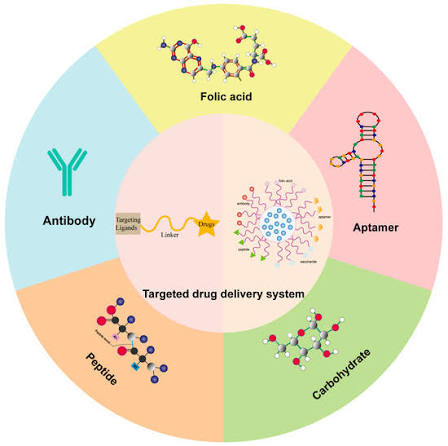
Fol-Dab8 is a cationic peptide-based drug delivery system developed with folic acid as a targeting component.
The technology is designed to recognize tissues with high levels of folate receptors. Nippon Shokubai has been developing Fol-Dab8 for selective delivery of nucleic acids to cells expressing these receptors, including certain cancer tissues.
The platform was originally developed by researchers Takeshi Wada of Tokyo University of Science and Keisuke Taniuchi of Kochi University.
Fol-Dab8 has previously been studied for delivery of siRNA. The new collaboration expands the research toward naturally occurring microRNA.
Why Folate Targeting Matters
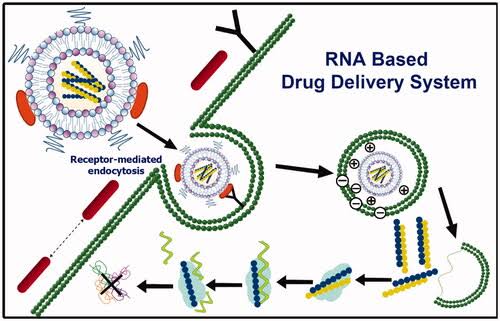
Folate receptors can be highly expressed in certain types of cancer tissue. This creates a potential targeting mechanism for delivering therapeutic molecules more selectively.
Instead of relying only on a drug molecule's natural distribution throughout the body, a targeted DDS can use a biological marker to help direct the therapeutic payload toward specific cells.
This approach could be particularly relevant to cancers where conventional treatment options remain limited.
Nippon Shokubai specifically highlights difficult-to-treat cancers such as pancreatic cancer as an area where Fol-Dab8's targeting potential could be valuable.
Moving From siRNA to microRNA
The collaboration represents an expansion of Fol-Dab8's potential application.
Previous research focused on combining Fol-Dab8 with siRNA. The new feasibility study will investigate whether the same delivery concept can be applied to naturally occurring microRNA developed by PURMX.
MicroRNAs are small RNA molecules that regulate gene expression. Because one microRNA can influence multiple genetic targets, researchers are investigating their potential as therapeutic agents in diseases such as cancer.
PURMX specializes in developing therapeutics based on naturally occurring microRNAs as active pharmaceutical ingredients.
PURMX Is Advancing microRNA Therapeutics
PURMX is a clinical-stage biotechnology company originating from Hiroshima University research.
Its lead program, MIRX002, uses miR-3140-3p as its active ingredient. PURMX has completed Phase I clinical trials in malignant pleural mesothelioma and is currently conducting a company-sponsored Phase I clinical trial in patients with head and neck squamous cell carcinoma.
Earlier clinical research involving MIRX002 reported that single and repeated administration trials in malignant pleural mesothelioma met their primary safety and tolerability objectives.
This gives the new Fol-Dab8 collaboration a connection to an existing clinical-stage microRNA development platform rather than an entirely theoretical drug concept.
Delivery Could Become as Important as the Payload
The progress of RNA medicines has demonstrated that the therapeutic molecule is only one part of the development equation.
Manufacturers and developers also need to consider stability, cellular uptake, tissue distribution, manufacturing and analytical control.
Nippon Shokubai is positioning its healthcare business around oligonucleotide and peptide therapeutics as well as DDS technologies. The company also operates CDMO activities intended to support pharmaceutical and biotechnology developers.
Combining drug-delivery materials with manufacturing and analytical capabilities could allow developers to address several technical challenges through a single development partner.
Potential Applications in Cancer Treatment
The initial collaboration is particularly relevant to oncology.
Folate receptor expression in certain tumors creates an opportunity to explore selective delivery of nucleic acid therapeutics. If Fol-Dab8 can efficiently transport microRNA into these cells, the approach could potentially expand the range of tumors that can be targeted with RNA-based medicines.
However, the companies are still evaluating the technology. The current collaboration should therefore be viewed as a feasibility and research program rather than evidence that a new Fol-Dab8-based therapy has been clinically established.
A New Direction for Naturally Occurring microRNA
One feature of PURMX's approach is its use of naturally occurring microRNA rather than heavily modified synthetic nucleic acids.
PURMX says naturally occurring microRNAs could offer potential safety advantages because they are molecules produced naturally in the body. Their ability to regulate multiple genes also provides a different therapeutic strategy from approaches designed to target a single genetic sequence.
The delivery challenge remains critical.
A naturally occurring microRNA still needs to reach the appropriate cells and remain sufficiently stable to exert its intended biological effect. This is where a targeted DDS such as Fol-Dab8 could potentially add value.
Implications for Pharmaceutical Manufacturing
The development also highlights opportunities beyond drug discovery.
Targeted oligonucleotide therapeutics require specialized synthesis, purification, formulation, analytical testing and delivery technologies. Pharmaceutical companies developing these medicines may therefore need suppliers with capabilities spanning several stages of the development process.
Nippon Shokubai's strategy combines its DDS material technology with CDMO capabilities for oligonucleotide and peptide therapeutics.
For pharmaceutical ingredient traders, this points toward growing demand for specialized materials and technologies supporting advanced drug-delivery platforms.
Opportunities for Healthcare Ingredient Suppliers
The evolution of RNA therapeutics could create demand across multiple specialty supply categories.
Oligonucleotide raw materials: Advanced RNA medicines require specialized chemical building blocks and synthesis inputs.
Peptide materials: Cationic peptides can serve as components of targeted delivery platforms such as Fol-Dab8.
Analytical materials: Complex nucleic acid products require sophisticated analytical methods to verify identity, purity and stability.
Formulation inputs: Delivery systems require carefully selected materials to maintain therapeutic performance.
CDMO services: Biotechnology companies increasingly rely on specialized manufacturing partners as their pipelines progress through development.
Drug-delivery platforms: Targeting technologies can become valuable assets alongside the therapeutic molecules they carry.
For suppliers, the growth of RNA therapeutics therefore extends the opportunity beyond conventional pharmaceutical ingredients.
Project Status and Next Steps
The Fol-Dab8 and microRNA program is currently at the research and feasibility stage.
Nippon Shokubai and PURMX have initiated a joint study to evaluate the usefulness of Fol-Dab8-microRNA complexes. Nippon Shokubai has also made an equity investment in PURMX, strengthening the strategic relationship between the companies.
The next important data will come from research evaluating whether the complexes can achieve effective and selective delivery.
Positive results could support additional development work, but further preclinical and clinical validation would still be required before any new therapy could reach the market.
What Pharma Buyers Should Watch
Pharmaceutical procurement and development teams should monitor several areas as the collaboration progresses.
Delivery efficiency: Researchers will need to establish how effectively Fol-Dab8 transports microRNA into target cells.
Target selectivity: Folate receptor targeting will be important for determining whether delivery can be concentrated in relevant tissues.
Stability: Maintaining the integrity of microRNA during delivery remains a central requirement.
Safety: Any future therapeutic application will require extensive assessment of tolerability and potential off-target effects.
Manufacturing scalability: Commercial RNA medicines require reproducible production and analytical processes.
Clinical development: Progress in PURMX's microRNA pipeline could provide additional indications for the delivery platform.
CDMO opportunities: Demand for specialized oligonucleotide and peptide manufacturing may increase as more RNA therapeutics enter development.
Looking Ahead
The Nippon Shokubai and PURMX collaboration illustrates how targeted drug delivery is becoming a critical component of next-generation pharmaceutical development.
Fol-Dab8 combines a folate-targeting mechanism with a cationic peptide designed to carry nucleic acids. The new research will test whether this platform can also deliver naturally occurring microRNA, potentially expanding its application beyond the siRNA programs previously investigated.
The technology remains under evaluation, so its ultimate clinical and commercial value will depend on delivery performance, safety and subsequent development results.

D-Calcium Pantothenate (Vitamin B5)
Found this useful?